

When I was twenty-five years old, I was living in the basement of a friend’s house. Calling it a basement probably makes it sound more respectable than it was. It functioned somewhere between an apartment and a bachelor pad, furnished with hand-me-down furniture, college textbooks, and whatever else I could afford at the time. I was attending college, working for my parents, and trying to figure out what adulthood was supposed to look like.
Dating was different then. There were no dating apps or social media profiles offering an endless collection of possibilities. Meeting someone depended on circumstance, timing, and luck. Most of my life revolved around work, school, the YMCA, and whatever adventures I could fit between my responsibilities. I was not much of a bar person, and I rarely drank. My opportunities to meet someone were mostly limited to wherever life happened to place me.
One day, while working at an accounting firm that was one of our clients, I noticed the receptionist. She was attractive, friendly, and seemed genuinely kind. I also noticed what appeared to be a photograph of a boyfriend sitting on her desk, so I filed the observation away and continued with my work.
Several months later, I walked into a management class at the university and immediately recognized her sitting across the room. I sat beside her and introduced myself. During our conversation, I mentioned that I was taking an accounting class and had not yet purchased the textbook. She told me she had taken the class previously and already owned the book. The following week, she brought it to class for me.
I wanted a reason to spend more time with her. Offering to pay for the book felt awkward since she had already refused money, so I suggested lunch instead. Looking back, it was probably one of the least sophisticated dating strategies imaginable.
Fortunately, it worked.
Lunch led to more conversations. More conversations led to dates. Before long, we were spending much of our available time together. She was caring, dependable, and committed to the people in her life. The relationship developed naturally and without much drama.
At the time, I believed we were falling in love because we were compatible.
Years later, I would realize there was more to it than that.
The relationship felt familiar.
The Approval I Understood
One day, I was sitting at work when my father casually mentioned the receptionist from the accounting firm.
“Have you seen her?” he asked. “She is cute.”
What made the comment amusing was that we had already been dating for months. I remember laughing to myself. At the time, the exchange felt insignificant. Looking back, I can see that it revealed more than I understood.
My father approved of her.
His opinion carried enormous weight in my life. Like many people in their twenties, I believed I was making my own decisions, yet much of my identity remained connected to the way other people evaluated me. I wanted to be responsible, successful, dependable, and worthy of respect. I especially wanted my father to look at my life and believe I was doing it correctly.
His casual comment felt like confirmation. The woman I was dating had passed an invisible test.
Because I had chosen her, perhaps I had passed too.
The older I get, the more I recognize how much of my early life revolved around acceptance. Adoption had quietly shaped far more of me than I understood at the time. Long before I possessed the language to express them, questions lived beneath the surface of my life.
Did I belong?
Was I wanted?
Was I enough?
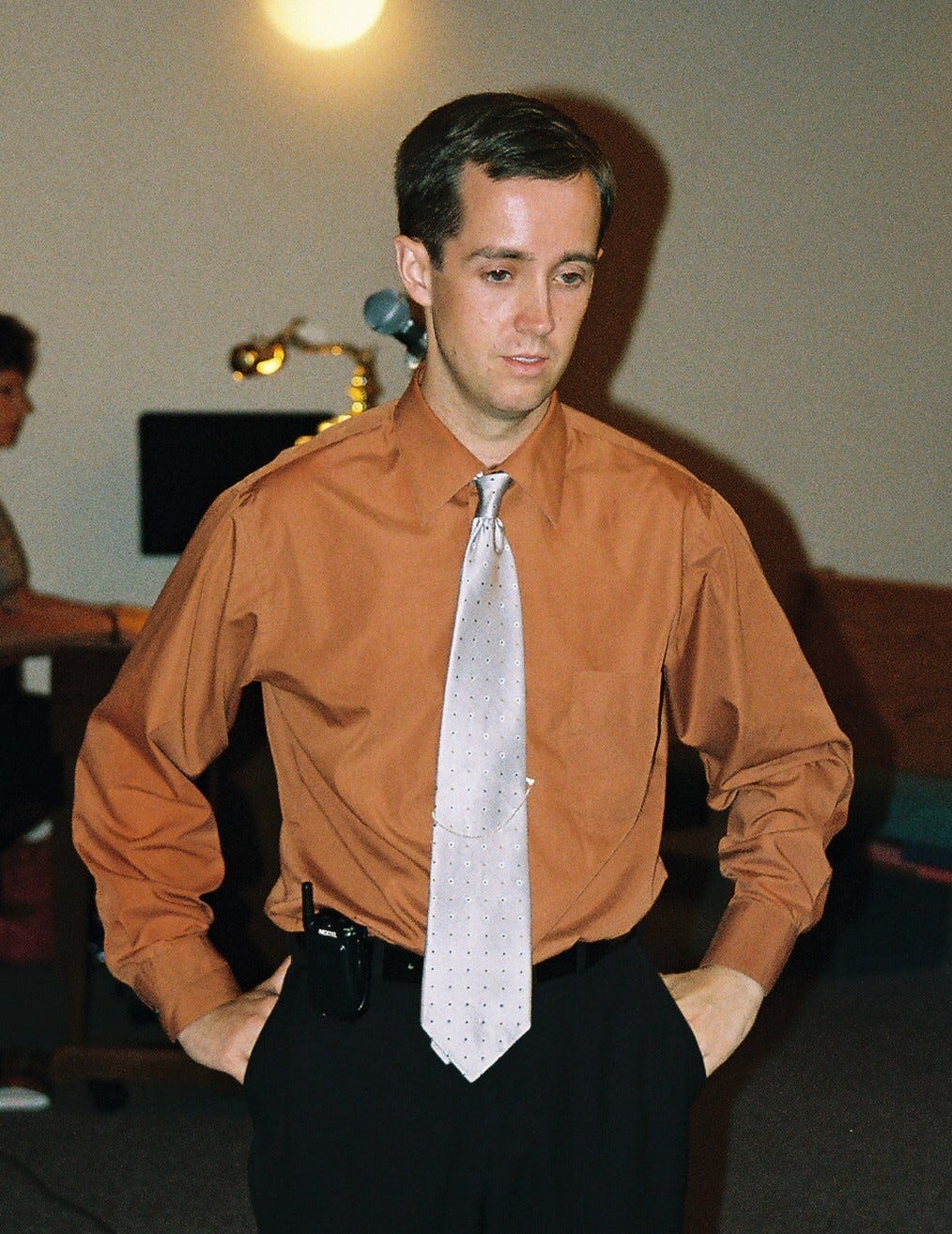
I was not consciously asking those questions every day, but I can now see how often I gravitated toward things that appeared to answer them. Stability offered an answer. Predictability offered an answer. Approval offered an answer. Being selected, welcomed, needed, or praised made me feel secure.
A stable relationship felt safe. A predictable future felt reassuring. Receiving my father’s approval made the path ahead seem correct.
Looking back, I do not think I was searching for excitement.
I think I was searching for certainty.
A Family Connected by More Than a Name
When I met the woman who would become my wife, I also met her family. That experience added another dimension to the relationship.
Her family was remarkably close. Every summer, somewhere between thirty and fifty members of the extended family gathered at a Nebraska state park for a family vacation. Her immediate family also traveled together. Their relationships were not limited to holidays, weddings, or funerals. They remained actively involved in one another’s lives.
When someone in the extended family needed a new roof, relatives went to the house for the weekend and installed it together. They brought tools, food, labor, conversation, and the willingness to surrender their own time because someone in the family needed help.
The message was unmistakable.
When you need us, we come.
That kind of connection was deeply attractive to me. It represented family as something more than a group of people connected by names on a family tree. Family was a dependable community. Love was expressed through presence, generosity, work, traditions, and time. They vacationed together, celebrated together, solved problems together, and showed up for one another.
My own extended family had once possessed a version of that closeness. When I was young, we gathered every month to celebrate birthdays and eat pierogi, the traditional Polish food that connected us to our family history. The adults talked while the cousins played, and the predictability of the gatherings made them feel permanent.
As the cousins entered their teenage years, however, those gatherings gradually faded. Schedules changed. Interests divided. Children became young adults with lives extending beyond the family. There was no dramatic ending. The monthly tradition simply occurred less frequently until it was no longer a tradition at all.
Perhaps that was one reason my future wife’s family appealed to me so strongly. They seemed to have preserved something my own extended family had gradually lost. The cousins grew older, but the family continued gathering. New spouses entered. Children were born. The circle expanded without dissolving.
They welcomed me into that circle with open arms.
They were kind, generous, and genuinely interested in knowing me. They included me in conversations, celebrations, vacations, projects, and the ordinary moments through which people gradually become part of one another’s lives.
They even laughed when I was funny, which was nice.
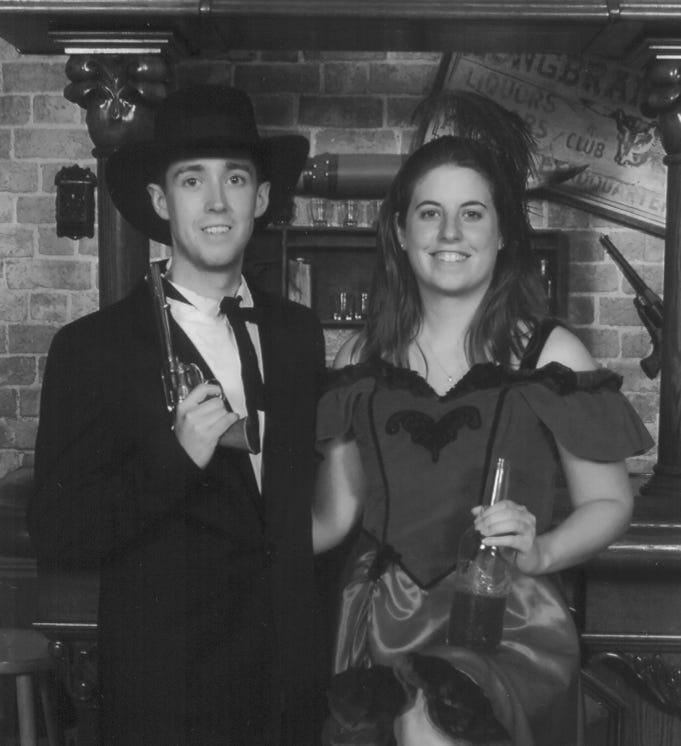
That might sound like a small detail, but humor has always been one of the ways I connect with people. When they laughed with me, I felt appreciated. I was not merely the person dating someone in their family. I was Jeff, with my own personality and my own place within the group.
I grew close to them. I admired their generosity and the way they cared for one another. Their welcome was sincere, and the possibility of becoming a permanent part of their family made the relationship even more meaningful.
Being around them also gave me something I had rarely experienced. For perhaps the first time, I was spending extended periods around a large group of people who were genetically connected to one another. I had obviously encountered biological families before, but this was different. I was near them long enough to notice patterns.
The physical similarities were the most obvious. Faces repeated themselves. Expressions appeared on more than one person. A child might possess the eyes of one parent and the smile of another. Yet the connections extended far beyond physical appearance.
I noticed similarities in personality, intellect, interests, passions, humor, mannerisms, and ways of seeing the world. A way of thinking might appear in a parent and then reappear in a child. Talents, tendencies, and temperaments seemed to travel through the family.
I found it fascinating.
Growing up adopted, I did not have that kind of genetic mirror. I could look at my adoptive parents and learn from them, love them, share experiences with them, and acquire some of their habits. Their values influenced me, and their choices shaped the environment in which I grew up. But I could not study their faces or personalities and discover biological clues about myself.
Their family histories told me where they came from.
They did not tell me where I came from.
My future wife’s family gave me a close view of something most people probably accepted without much thought. To them, family resemblance was ordinary. To me, it was evidence of an invisible thread connecting one person to another.
The experience was also a double-edged sword. The closer I became to the family, the more clearly I recognized how different I was from them. I was not a little different. I was very different. I did not share many of their interests, preferences, or passions. The things that energized them often did not energize me. The subjects that captured my imagination did not always resonate with them.
The important distinction is that they did not make me feel unwelcome.
I felt different anyway.
That feeling came from somewhere much older than my relationship with them. It was the familiar experience of being welcomed into a family while remaining conscious of biological connections I did not share.
I could participate in the traditions, attend the vacations, help with projects, sit at the table, listen to the stories, and become someone they sincerely loved. But I could not inherit their history.
Their welcome was real.
My difference was real too.
Perhaps I believed that entering such a close family would finally resolve some of my questions about belonging. Instead, it taught me that inclusion and identification were not identical. A person could be welcomed generously, loved sincerely, and given a place within a family while still wondering where parts of himself came from.
I was becoming part of their family.
Yet some part of me was still searching for my own.
Building the Approved Life
I did not casually drift into marriage. Responsibility mattered deeply to me. Before I would propose, I wanted my future wife to finish college. It was not because I cared about a diploma hanging on a wall. I cared about what education represented: opportunity, independence, and choices. There were times when she considered leaving school because she did not particularly enjoy it, but I encouraged her to continue.
So we waited.
She graduated, and then I proposed.
I had also accumulated credit card debt before we met. It was not overwhelming, but it bothered me. I did not want to bring consumer debt into a marriage, so paying it off became another priority. We saved money, planned carefully, and delayed gratification.
None of this sounds particularly romantic.
At twenty-five, it sounded responsible.
Today, I still believe it was.
As the wedding approached, we began looking for a house. We were the couple who would live there, make the payments, maintain it, and build a life within its walls, but we did not search alone.
Both sets of parents came with us.
They walked through the houses, looked into the basements, examined the yards, and offered opinions about location, condition, value, and practicality. They had considerable influence over what we eventually purchased. At the time, their involvement felt natural. We were young, they had more experience, and buying a house was one of the largest financial decisions we had ever made.
Their involvement was loving and well-intentioned. Both families wanted us to succeed. They wanted us to begin married life with a stable foundation.
My father approved of the woman I planned to marry.
He approved of the house we were buying.
He wanted me to get married.
One by one, I was checking the boxes.
I was attending college, working hard, eliminating debt, purchasing a home, and preparing for marriage. These were thoughtful and responsible decisions, but beneath them was another motivation I did not recognize clearly.
I wanted my father’s approval.
The woman had passed the test.
The house had passed the test.
The marriage had passed the test.
Because I had chosen all three, I believed I was passing too.
The house became physical evidence that my life was unfolding as expected. I was building the recognizable version of successful adulthood I had inherited. There would be a wedding, a home, careers, children, family gatherings, and all the familiar pieces of the American Dream.
More specifically, I was building the version of that dream my father understood.
The path ahead was no longer an abstract idea.
It had an address.
The Voice I Ignored
About three months before the wedding, I began experiencing what most people would call cold feet. At the time, I assumed it was normal. Marriage was one of the largest decisions a person could make. Surely everyone experienced uncertainty.
But the feeling never completely disappeared.
Nothing was obviously wrong. We were not fighting. There had been no betrayal, crisis, or dramatic event forcing me to reconsider. On paper, everything looked exactly as it should have.
Yet something inside me felt unsettled.
Looking back, it feels like a quiet voice was trying to get my attention. It did not provide a rational argument or a list of reasons to stop. It simply persisted, asking whether I was moving toward the life I truly wanted or the life I believed I was supposed to want.
The problem was that I had never seriously learned to ask whether a decision would make me happy. Happiness was not part of the calculation. I thought about responsibility, financial stability, loyalty, commitment, and the effect my choices would have on other people.
I thought about whether my father approved.
I thought about my future wife and the wedding she expected.
I thought about both families preparing to celebrate.
I thought about the generous people who had welcomed me into their lives.
I did not think about myself.
By then, changing direction would mean more than canceling a wedding. A house had been purchased. Plans had been made. Expectations had formed. My future wife’s family had given me a genuine place among them, and I had grown close to them. Calling off the wedding would almost certainly alter those relationships too.
I was not facing the possible loss of one person. I was facing the loss of an entire family and the belonging they had offered me.
The marriage carried several promises at once. It offered stability, family, acceptance, and my father’s approval. It answered nearly every question except the one I had not yet learned to ask:
Was this the life I wanted?
One of the recurring patterns throughout my life has been my willingness to disappoint myself to avoid disappointing other people. At the time, I called that responsibility. I believed the number of people who approved of my choices was evidence that those choices were right.
Calling off the wedding would disappoint a woman I cared about, two families, and people who had opened their lives to me.
Moving forward required only one person to ignore his doubts.
Me.
At the time, that seemed like the kinder choice.
The Life That Worked
After we married, the life we had planned began unfolding. We moved into the house. We adopted a Golden Retriever who completely stole my heart. I continued working and pursuing my education.
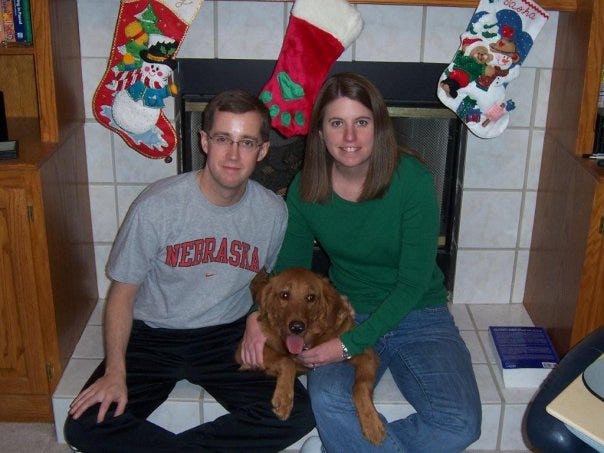
I did not want to start a family until I completed graduate school. Once again, it was about preparation. I wanted to become a father from the strongest position possible.
So we waited.
I finished graduate school, and then we started our family.
Natalie arrived, followed by Annabelle. With their births, the life I had been constructing appeared complete. I had a wife, two daughters, a house, a career, a dog, and a family structure that looked remarkably similar to the traditional family in which I had been raised.
I had checked every box.
I loved my daughters deeply. Watching them grow, reading bedtime stories, attending school activities, taking family vacations, and participating in the countless ordinary moments of parenthood brought genuine meaning to my life. Those years contained love, goodness, and memories I continue to treasure.
That is what makes this part of the story difficult to explain.
The marriage was not bad. If it had been filled with cruelty, chaos, or constant conflict, its ending would be easier for people to understand.
Instead, the marriage was okay.
And okay can be surprisingly complicated.
Okay allows you to continue. It allows you to pay the bills, complete the projects, raise the children, attend family gatherings, and maintain the house. It allows you to believe everything is fine because nothing is obviously wrong.
Most weekends followed a familiar rhythm. We cleaned the house, worked on projects, attended family gatherings, fixed whatever had broken, and prepared for the next responsibility. There was comfort and security in that rhythm.
There was simply very little consideration of joy.
I did not ask what made me feel alive or whether my daily life reflected the person I truly was. I considered whether I was fulfilling my duties, meeting expectations, and taking care of others.
I knew how to be useful.
I knew how to be responsible.
I knew how to be approved of.
I did not know how to be fully myself.
The Pattern I Recreated
For a long time, I assumed the marriage felt natural because we were compatible. Compatibility was part of it, but eventually I recognized something deeper.
Without consciously intending to, I had recreated the relationship model I grew up watching.
My father had been the primary decision-maker in our household. He established direction, managed the finances, carried most of the authority, and decided where the family was headed. My mother cared for the home, raised the children, and handled many of the daily responsibilities that kept the family functioning.
Both were essential, but their roles were clearly defined.
To me, that was simply what marriage looked like.
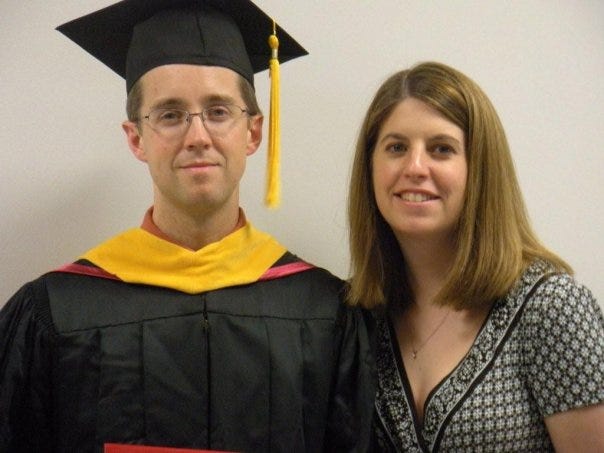
When I married, I stepped into the role I knew. I became the planner, provider, problem-solver, and person responsible for determining direction. My wife carried many of the responsibilities I had watched my mother carry. She cared deeply about our daughters, our home, and creating a stable environment for our family.
For years, neither of us seriously questioned the arrangement.
It worked. We paid our bills, raised children, maintained a home, and created stability. From the outside, it looked successful. In many ways, it was.
The realization that came later was not that the structure was inherently wrong. The realization was that it did not fully reflect who I was becoming.
I wanted collaboration rather than direction. I wanted two people bringing different perspectives to challenges and solving them together. I wanted someone who could challenge me, inspire me, and help me see the world differently.
I wanted a true life partner.
I could not have articulated that in my twenties. All I knew then was that the relationship felt comfortable. Because it felt comfortable, I assumed it was right.
Only later did I understand that comfort and fulfillment were not the same thing.
A Life Built From the Outside In
As my world expanded through work, the YMCA, community involvement, and serving on the school board, I encountered people who seemed deeply connected to their lives. They pursued interests because they loved them and appeared energized by possibility.
Something about those people fascinated me.
Something about them unsettled me too.
Not because I disagreed with them, but because I envied them.
The traveler, adventurer, writer, teacher, and curious thinker within me were becoming louder. Meanwhile, the life I had built remained organized around predictability.
Neither was wrong.
They were simply moving in different directions.
The best word I can find for that period is melancholy. It was not despair. It was a quiet feeling that something important was missing, as if parts of me were slowly falling asleep.
Almost nobody could see it.
From the outside, my life looked successful. I had a wife, daughters, home, career, education, and financial stability. I had created the life that had been presented to me as the reward for responsible adulthood.
From the inside, I was becoming increasingly disconnected from myself.
For years, I resisted that realization because it felt ungrateful. I had worked hard to create this life. Other people had invested in it. My parents approved of it. My wife depended on it. My daughters lived within it.
I had everything that was supposed to make a person happy.
The problem was that I had never seriously considered my own happiness while building it.
I had asked what my father would approve of. I had asked what my family expected. I had asked what a responsible husband and father should do. I had asked what would make other people comfortable.
I had built my life from the outside in.
Eventually, the marriage ended. Many people view divorce as proof that a marriage failed. The older I get, the less interested I am in that interpretation.
We had built a stable home, raised two wonderful daughters, and honored many of the commitments we made to one another. Those accomplishments did not disappear because the marriage ended. The marriage formed me, gave me treasured experiences, and brought Natalie and Annabelle into my life.
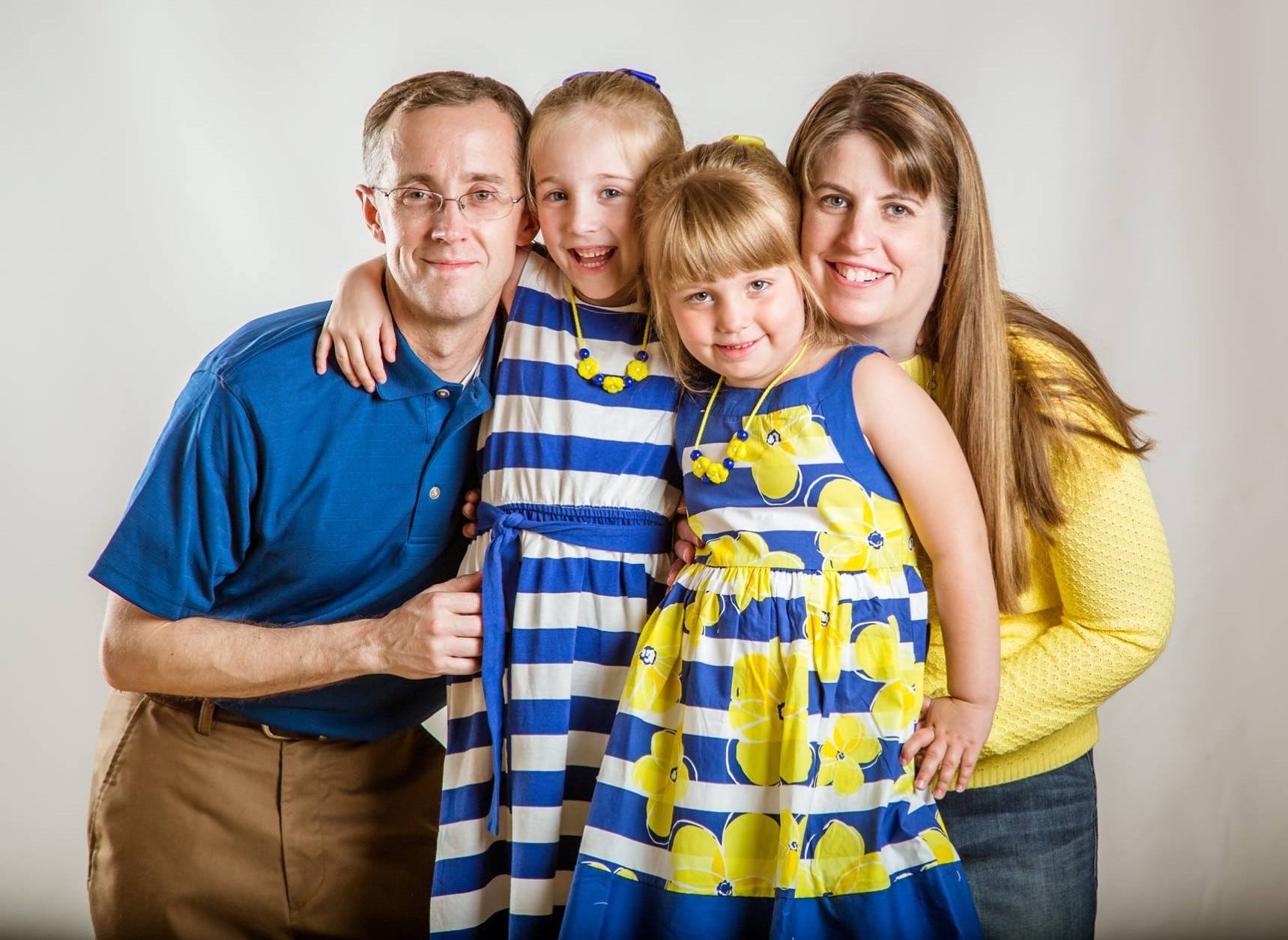
It also showed me the limitations of living according to a structure simply because it was familiar and approved.
This does not mean I married the wrong person. It means I married from the understanding I possessed at the time. I created a life from the materials I had been given: inherited expectations, family patterns, responsibility, loyalty, and a profound need to belong.
The younger version of me believed responsible people built a life and then remained inside it. The person I eventually became understood that responsibility also requires honesty. Sometimes honoring a life means protecting what has been built. Sometimes it means admitting that the structure no longer fits the people living inside it.
I did not leave because none of it mattered.
I left because my life mattered too.
Years later, I finally understood why the marriage had made so much sense.
I had not only chosen a person. I had chosen stability, family, acceptance, and my father’s approval. I had married the relationship I understood and built the life everyone had taught me to want.
Throughout that life, different people knew different versions of me. My parents knew the responsible son. My family knew the provider and problem-solver. Coworkers and clients knew the dependable professional. Friends knew the funny version. The curious, unconventional, restless, and adventurous parts of me appeared only in certain places.
None of those versions were false.
They were simply incomplete.
I had spent years becoming a person other people could approve of. I had learned how to fulfill roles, meet expectations, adapt to the room, and make myself useful. In return, I received acceptance, but it was often acceptance of the person I had learned to be for everyone else.
What I had not experienced was what it meant for someone to see the whole person beneath those roles and encourage him to become even more himself.
I had spent most of my life trying to be accepted.
I was about to discover what it felt like to be seen.