

By the time Paula and I sat down for Thai food, our first conversation had already been going on for days. It had started with hammocks, but the hammocks did not remain important for long. She had questions about staying warm, equipment, and sleeping outside. I had answers, along with recommendations, links, explanations, and probably far more detail than she expected. That was normal for me. I have never been especially good at giving a short answer when a complete one is available. Yet instead of becoming bored or overwhelmed, she kept asking questions. One question became another. The equipment led to travel, the travel led to our children, and our children led to the lives we had built before we knew each other.
We talked about work, divorce, family expectations, books, health, adventure, and the choices that had shaped us. Serious subjects gave way to ridiculous jokes and then somehow returned to serious subjects again. Neither of us seemed especially concerned about presenting a polished version of ourselves. We were more interested in understanding the person on the other side of the conversation. That may have been the first unusual thing about us. We were not trying to win. We were trying to know.
Curiosity became the beginning of trust.
Writing helped. I have always communicated easily through words. Writing gives me room to organize my thoughts, add context, connect one experience to another, and follow an idea wherever it leads. It is also how a simple answer about hammocks becomes several pages of recommendations. I type quickly because my thoughts arrive quickly. Paula approached writing differently. She preferred the physical act of writing by hand because it allowed the words to feel more connected to her. I moved fast enough to chase a thought. She slowed down enough to feel it. Even that difference interested us. We did not treat our differences as obstacles. We treated them as invitations to ask better questions.
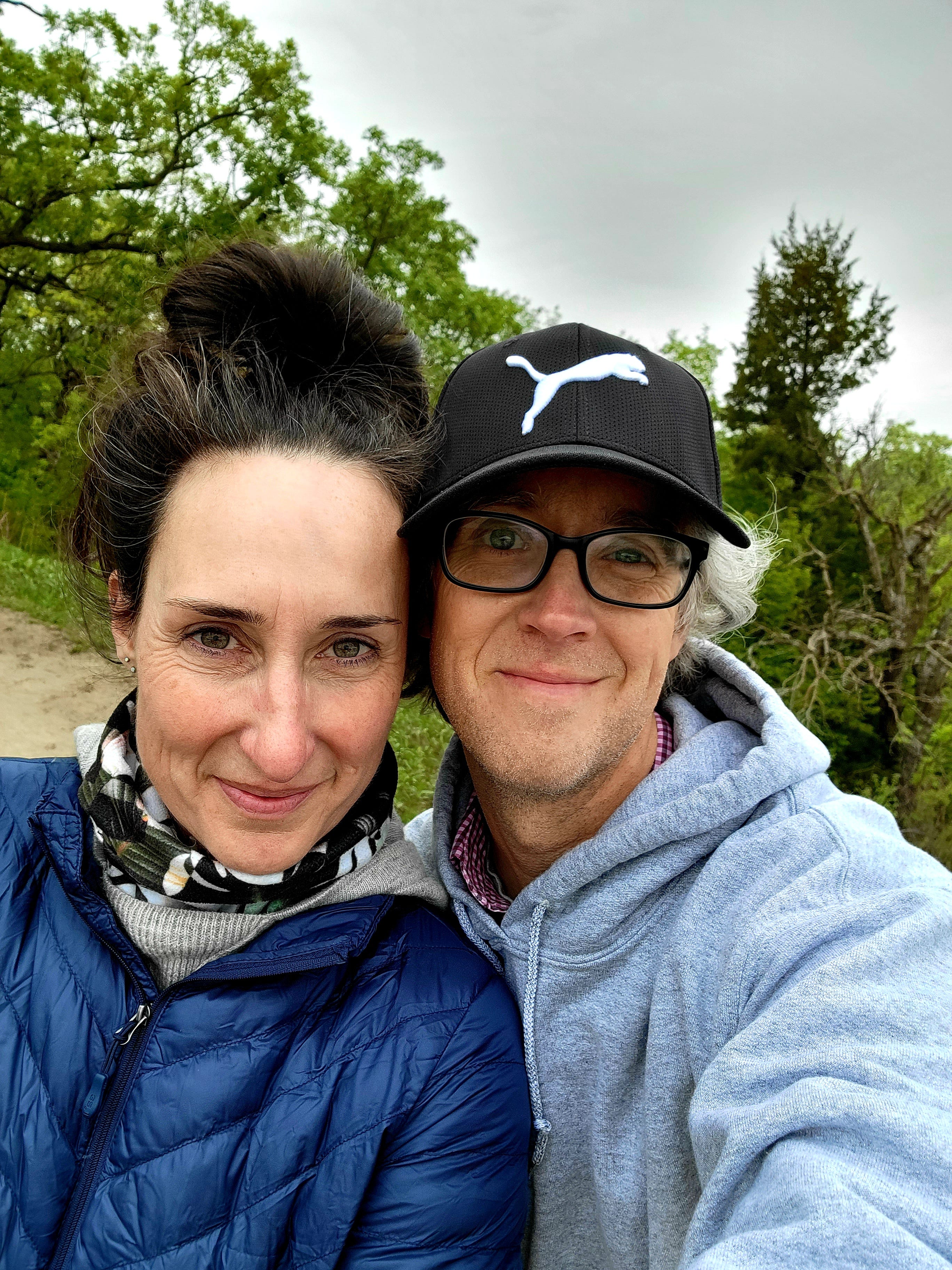
Lunch confirmed what the messages had already suggested. We sat together for hours, moving easily from one subject to another. It felt less like a first date than a conversation that had simply changed locations. I could hear her laugh instead of imagining it. I could watch her think, see an idea form, and notice the moment one subject reminded her of another. The Thai food gave us a reason to sit across from each other, but the conversation was the real event. Neither of us wanted it to end.
There are relationships built on spectacle. They begin with dramatic gestures, perfect evenings, and stories designed to sound impressive when told later. Ours began with questions. It began in the quiet space created when two people stopped performing and paid attention instead. We did not know what the relationship would become, but we knew the conversation felt different. It contained an ease that did not require shallowness. We could move into difficult subjects without making the entire exchange heavy, then use humor without pretending the difficult parts were unimportant.
In the years that followed, conversation became one of the foundations of our relationship. We did not immediately combine our lives under one roof. Our schedules were full, our children mattered, and our work did not always respect ordinary hours. Paula could be called to a hospital with little warning. Her work placed her near families during some of the most painful moments of their lives. A normal day could become an overnight case, an operating-room schedule, a long drive, or a conversation that demanded everything she had. My days moved among clients, daughters, workouts, teaching, travel, and the ordinary interruptions of technology. Problems rarely arrived according to a convenient calendar.
Because we could not always share the same physical space, our messages became a place where our lives met. The details were ordinary. We asked how the other person had slept, how work was going, whether the drive was safe, whether the children were doing well, and what needed to happen before the day ended. We shared photographs, articles, ideas, frustrations, travel possibilities, and moments that would have meant little to anyone else. A good-morning message opened the day. A goodnight message closed it. Between them, we built continuity.
I began calling her sunshine. The name fit her, but it also described what the relationship was bringing into my life. Before I completed a workout, answered a client, or solved anyone’s problem, I had connected with the person who was becoming the most dependable part of my day. The greeting did not solve our problems or guarantee that the day would be easy. It simply said, I am here. Over time, those three unspoken words mattered more than ornate promises.
Attention became a form of love.
The relationship was not built on one grand declaration. It grew because we kept returning. We asked questions, remembered the answers, followed up, and showed up again the next day. If one of us mentioned a worry, the other remembered it. If a child had something important happening, it did not disappear simply because the conversation changed. Trust did not arrive through one promise. It developed through hundreds of small pieces of evidence that the other person was listening.
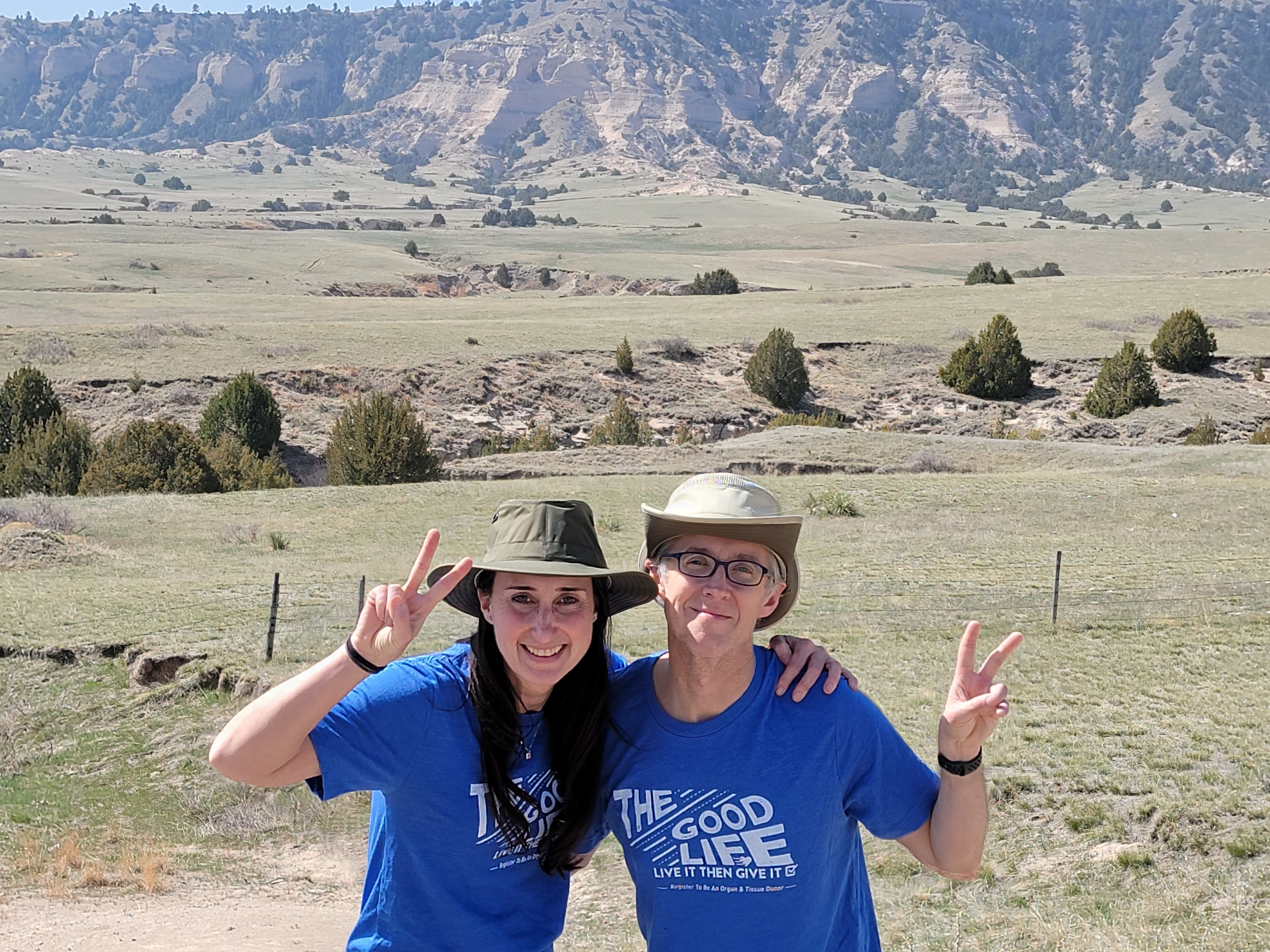
That listening changed me. My instinct had always been to solve problems. In my family, work, and first marriage, I had often been the person who fixed things, researched options, made decisions, or created direction. Technology rewarded that instinct. If a system failed, I could gather information, isolate the cause, and build a path forward. Human beings were more complicated. A person could describe a problem without asking me to redesign her life. Sometimes support did not require a solution. Sometimes another person needed to be heard carefully enough that the burden no longer felt solitary.
Learning that distinction was not passive. Listening well required me to resist the comfort of competence. A solution allowed me to feel useful. Presence required me to remain beside a problem I could not fix. I could offer research, observations, a plan, or practical help, but I did not want to replace Paula’s judgment with mine. She was deeply independent. That independence had helped her survive, raise her sons, perform demanding work, and rebuild a life after experiences that had taught her to be cautious. I did not want love to become another force that reduced her choices. Help could be offered without being imposed, and she remained free to accept it, modify it, or decline it.
Support felt like love when it did not require control.
She offered the same freedom to me. I told her about adoption, finding Helen, my parents, divorce, my daughters, the family business, and the slow process of becoming myself. I talked about the years when usefulness seemed to be the safest way to earn a place in other people’s lives. I explained that I wanted a life built around experiences, learning, contribution, curiosity, and authenticity rather than accumulation or appearances. These ideas could sound disconnected when listed separately. Paula understood how they belonged together.
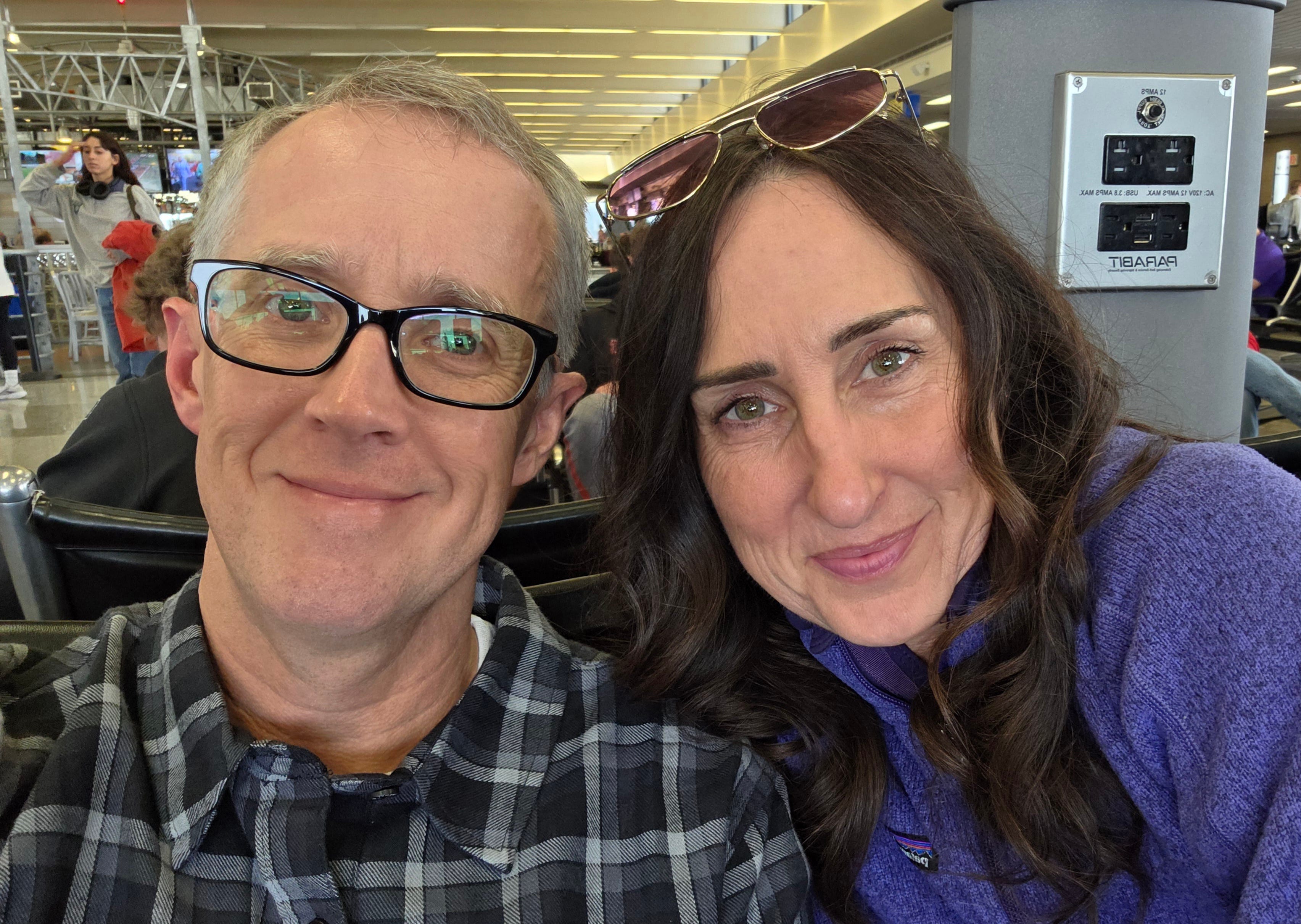
Minimalism was connected to travel because owning less created room to move. Fitness was connected to mountains because I did not want strength that existed only inside a gym. Technology and teaching were both ways of helping people move through problems. Planning did not contradict spontaneity. A person could construct a detailed itinerary and still follow an unexpected road. The same man could maintain spreadsheets, carry backup technology, sleep in a hammock, wear a costume, organize a family trip, and make a joke in the middle of an uncomfortable conversation.
She saw the pattern, not a collection of contradictions.
That recognition helped the relationship deepen quickly. The speed did not come from fantasy or from pretending we knew everything about each other. It came from honesty. We shared fears, hopes, histories, and questions that people sometimes hide for months. Both of us had reasons to be careful. I had spent much of my life wrestling with belonging, abandonment, and whether love could remain dependable. Paula had lived through a long relationship in which safety, trust, and control had become tangled together. Neither of us arrived untouched by disappointment.
Caution was not evidence that we were incapable of love. It was evidence that love mattered enough to take seriously.
Our relationship did not ask either of us to forget the past. It asked whether the past would be allowed to make every future decision. We could acknowledge why vigilance existed without making vigilance the permanent authority in our lives. Trust was not a switch that either person flipped. It was repeated evidence. A safe conversation. A kept promise. An honest disagreement. A difficult day followed by another morning in which the other person was still there.
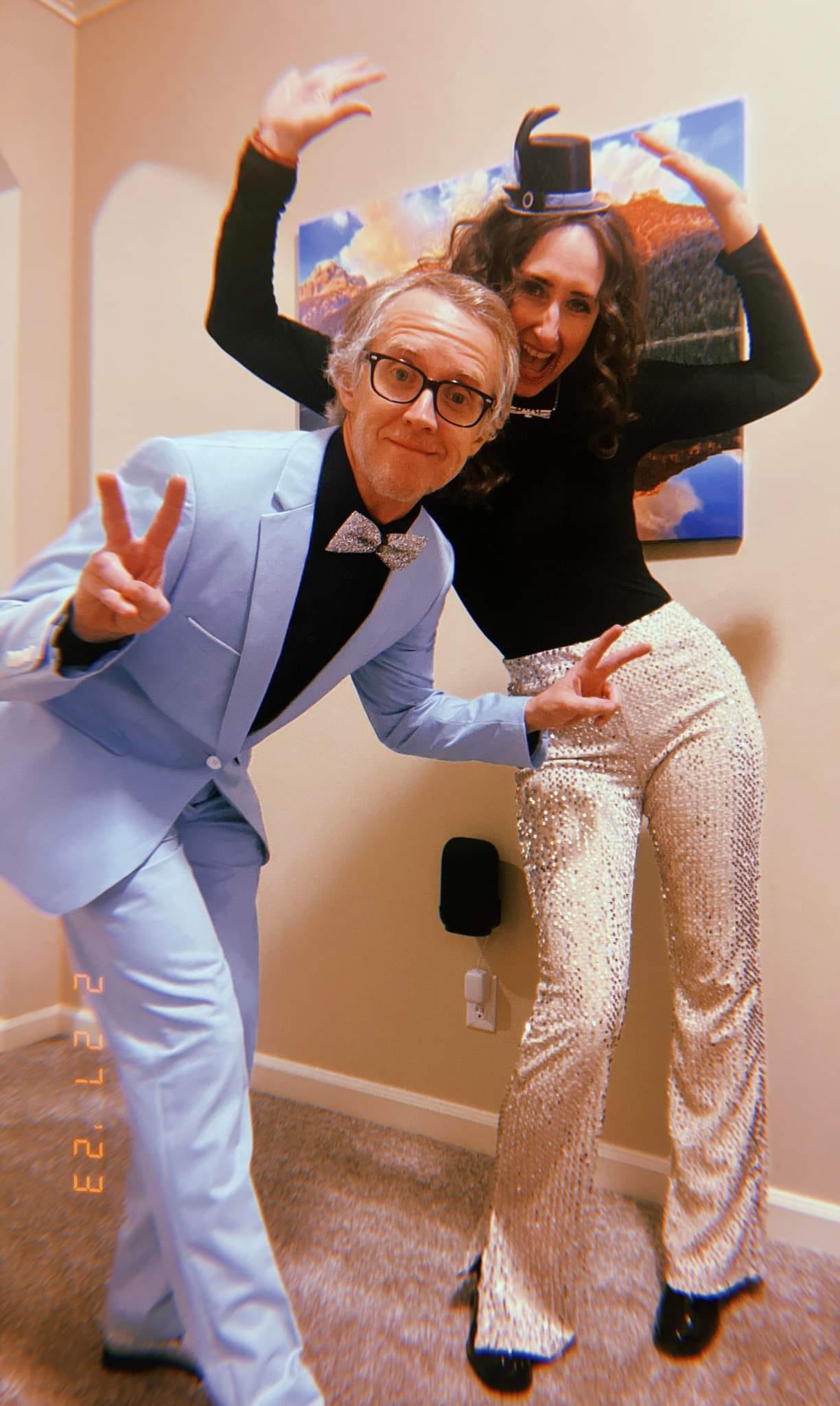
Humor became part of that evidence. I have always used humor to process life, especially the parts that might otherwise become too heavy. Paula understood that instinct. Our conversations could move from parenting, family history, hospital work, or the effects of an unhealthy relationship to something completely absurd. The humor did not erase the seriousness. It gave us enough room to breathe inside it. We could laugh without dismissing pain and be serious without allowing pain to consume every available space.
The relationship also had to include our children. Mac, Isaac, Natalie, and Annabelle were not accessories to a new romance. They were central parts of our lives. We shared stories, learned personalities, asked questions, and allowed the connections to develop without forcing everyone into a new family structure before they were ready. Paula trusted me with concerns about her sons because they mattered to her. I talked about my daughters because they mattered to me. Caring about each other meant caring about the people each of us already loved.
The children were part of the foundation.
That made the relationship more complicated, but it also made it honest. We were not two people beginning with empty calendars and uncomplicated histories. We were parents with obligations, former relationships, extended families, careers, and experiences that could not simply be erased. A shared life would have to be large enough to hold all of it. Love could not require us to pretend that the past had not happened or that other people did not matter.
Adventure became another part of the foundation. I did not want a relationship in which someone merely allowed me to leave and waited for me to return. I wanted someone curious about the journey. Paula did not ask me to become less adventurous so the relationship would feel safer. She began asking where we might go next. We talked about hiking, climbing, waterfalls, national parks, tiny houses, cabins, hammocks, road trips, and places neither of us had seen. The plans mattered, but what mattered more was the shared willingness behind them.
At the same time, the relationship could not depend on mountains, trips, and future plans. Every adventure ends. Backpacks are unpacked. Laundry accumulates. People return to work, bills, fatigue, children, appointments, and kitchens that need cleaning. A relationship has to function on an ordinary Tuesday. It has to survive tired messages, changed schedules, canceled plans, and the days when neither person is especially interesting.
Our ordinary Tuesdays worked.
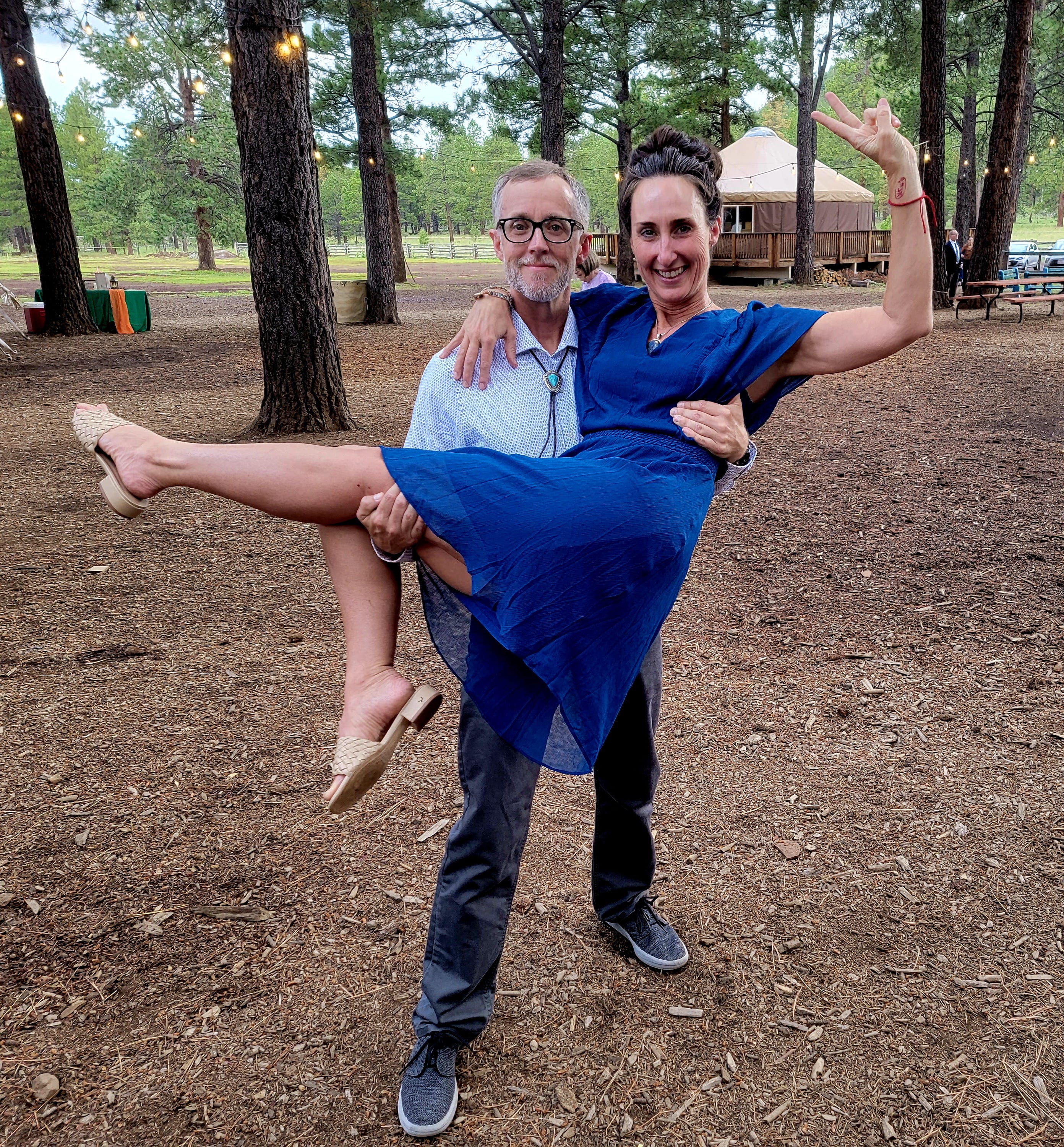
We learned that intimacy was often made from unremarkable things. A safe-arrival message. A question asked twice because the first answer sounded incomplete. Food shared after a long day. A plan adjusted without resentment. A quiet evening when nobody needed to manufacture excitement. The extraordinary experiences gave us stories, but the ordinary days gave those stories somewhere to live.
We were different people with different histories and responsibilities, but neither of us seemed interested in turning the other into a copy. If Paula reached a conclusion I did not understand, I could ask how she arrived there. She could do the same with me. Disagreement did not have to mean rejection. That freedom felt new. Much of my life had been shaped by authority, avoidance, or unspoken expectations. With Paula, connection did not depend on constant agreement. She could question a decision without questioning my worth. She could disagree and remain present.
Continued presence mattered more than constant agreement.
When conflict with my family intensified, Paula did not pretend everything was fine or encourage conflict for its own sake. She encouraged honesty. She helped me understand that choosing myself did not require cruelty, but kindness did not require surrendering myself either. She remained beside me while I established boundaries that were difficult for other people to understand. She did not make the decisions for me. She helped me hear my own voice more clearly.
That distinction mattered because I had spent years confusing stability with control. If I could anticipate every problem, manage every reaction, and remain useful to everyone, perhaps nothing would fall apart. Yet control is a fragile form of safety. It requires constant tension. With Paula, stability came from dependability instead. I could rely on her honesty, and she could rely on my attention. Neither of us had to control the other for the relationship to continue.
We were independent people choosing interdependence.
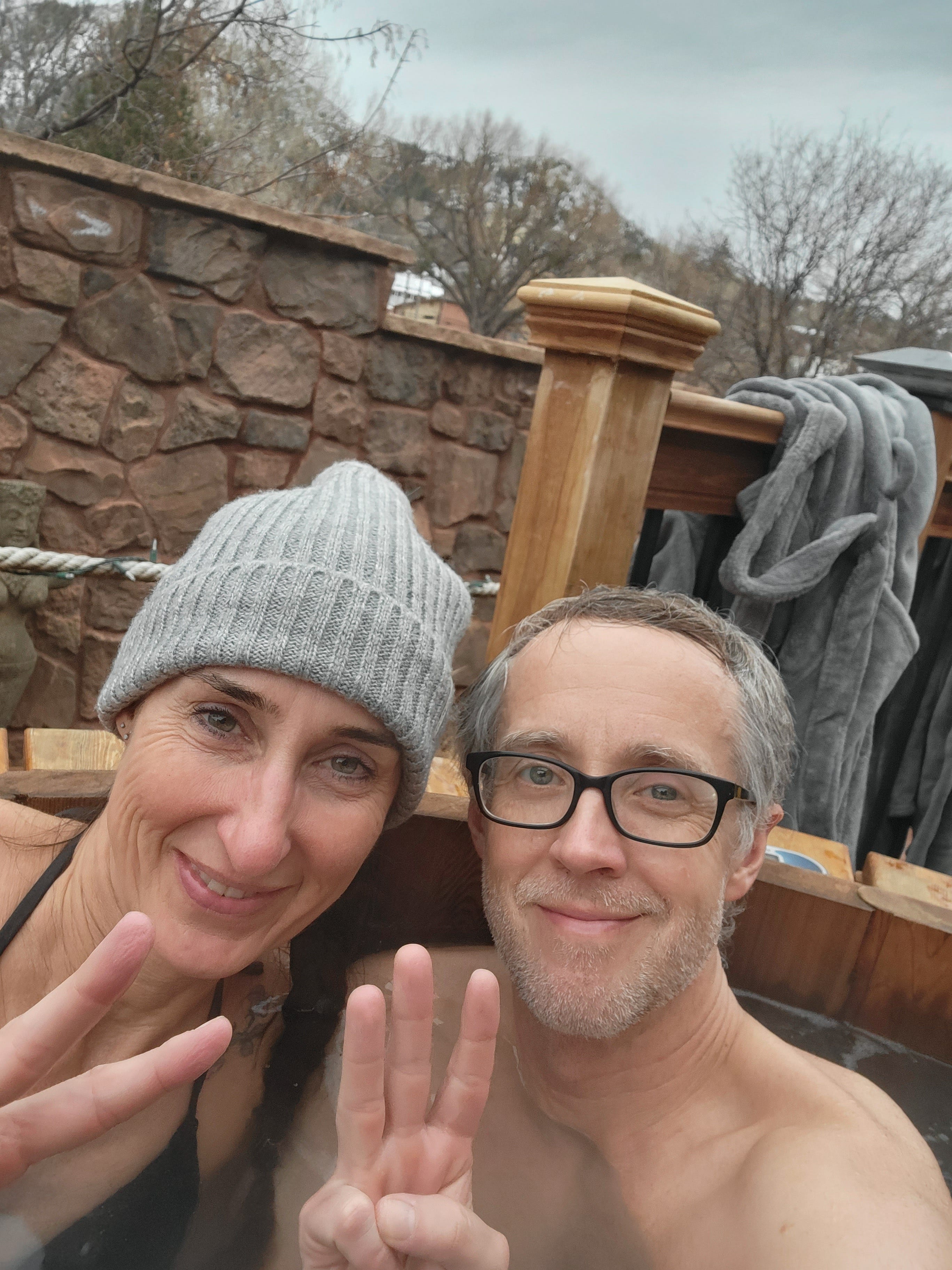
From outside the relationship, it may have appeared to move quickly. From inside, it felt natural. There is a difference between knowing someone for a long time and knowing someone deeply. Ideally, a relationship eventually contains both. Ours began with depth before it had duration. Over time, duration caught up. The messages accumulated, the trips multiplied, the children became familiar, and the dramatic beginning became an ordinary life that still contained curiosity.
Sharing became instinctive. When something happened, I wanted to tell Paula. When I read something interesting, I wondered what she would think. When I saw something beautiful, I wanted her to see it too. Sharing did not reduce the independence of either life. It expanded the joy inside both of them. An experience could belong to me and still become richer when carried back to her.
For much of my life, I had been valued for what I could do. My parents valued responsibility. Clients valued problem-solving. Employers valued reliability. People often called when something needed to be repaired, explained, or rescued. Those qualities were real parts of me, and I was proud of them. The danger was believing that usefulness was the price of belonging.
Paula appreciated what I could do, but she did not value me only when I was useful.
She enjoyed me.
She enjoyed the stories, strange questions, travel spreadsheets, costumes, enthusiasm, detailed explanations, and my inability to leave an idea unexplored. She did not merely tolerate my curiosity. She fed it. She did not simply permit adventure. She wanted to join it. For years, I had worried that the complete version of me might be too much: too curious, enthusiastic, emotional, planned, adventurous, or idealistic. With Paula, too much began to feel like exactly enough.
That did not mean either of us became the missing half of the other. We were already complete people. What we offered was recognition. We could remain complicated without becoming threatening to each other. The strong person could need reassurance. The planner could become spontaneous. The independent person could accept help. The serious person could be ridiculous. None of those qualities canceled the others.
We were allowed to remain complicated.
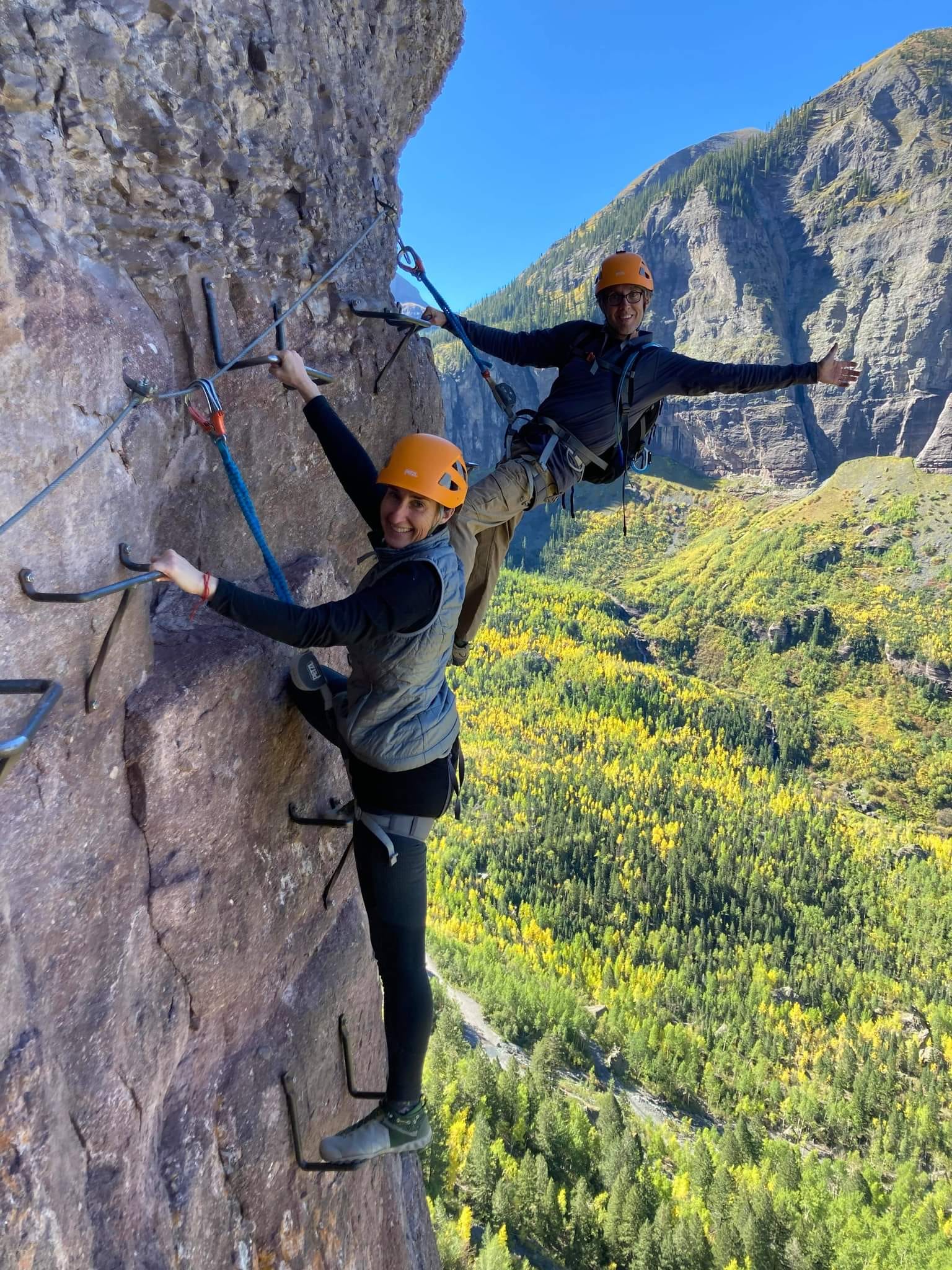
For most of my life, I imagined home as a physical place: a childhood house, a dormitory, a house in Ralston, or an apartment. Somewhere with an address, furniture, responsibilities, and clearly defined rooms. Adoption had made belonging feel like a question long before I had words for it. Family gave me structure, but structure and complete acceptance were not always the same thing. Houses could provide shelter while the people inside them remained vigilant, careful, or divided into acceptable and unacceptable versions of themselves.
My understanding of home eventually changed. A house can provide shelter without belonging. A family can provide structure without complete acceptance. A relationship can offer stability without creating aliveness. Home is something different.
Home is where vigilance ends.
Home is where explanation becomes less necessary. It is where a person can arrive carrying the whole self without leaving pieces outside. During the years Paula and I lived separately, home often existed in the conversation passing between us. It existed in a morning greeting, a message from a hospital, a photograph from a trail, or the words that meant, in one form or another, I am here.
By then, I no longer needed to divide myself into versions. The responsible Jeff and the adventurous Jeff could occupy the same life. The technical mind and the emotional one could exist together. The father, consultant, cyclist, writer, traveler, teacher, planner, comedian, and person sleeping in a hammock all belonged to the same person.
Paula knew that person. More importantly, I knew her too. I knew the independent professional and the person who sometimes needed reassurance. I knew the mother, daughter, person from the farm, traveler, artist, thinker, and adventurer. Neither of us had to reduce the other into someone easier to understand.
Perhaps that is what mature love looks like. Not completion, but recognition. Not control, but partnership. Not sameness, but curiosity. Not a promise that nothing will change, but confidence that both people can continue changing without automatically losing each other. Love still contained feeling, attraction, excitement, and warmth, but it also contained behavior. It was a question asked, an answer remembered, a boundary respected, a burden shared, and a return made the following day.
When Paula first contacted me, she wanted to know how I stayed warm in a hammock. Neither of us knew that warmth would become part of the language of our relationship: sunshine, warm thoughts, safe arms, and a place to return. The person who asked about hammocks gradually became the person I wanted to tell everything. The conversation continued through workdays, hospital calls, parenting challenges, trips, workouts, mountains, family conflict, and ordinary mornings.
Home was becoming a person.
I once believed home was something people built from walls, routines, and stability. Now I think home is the place where the whole person is welcome. After spending much of my life wondering where I belonged, I found it in the most unexpected place: a conversation I never wanted to end, with a woman I had not been searching for, all because of a message about hammocks.