

Most people spend years building a life before stopping to ask whether it is the life they actually want. By the time Paula and I found each other, we had both learned that lesson. We had been married before, raised children, built careers, carried responsibilities, and tried to satisfy expectations that did not always belong to us. We understood that following the traditional path did not guarantee that the destination would feel right.
Neither of us wanted to begin another relationship by rebuilding the lives we had already left. We were not interested in following the same blueprint and hoping it would somehow feel different the second time. We had already seen how easily a life could become organized around appearances, obligations, accumulation, and other people’s definitions of success. We wanted to decide what mattered first and build around that.
We wanted to build something different.
The life we chose did not begin with a house, matching furniture, or a discussion about which neighborhood best represented success. It began with conversations about meaning. We wanted time, freedom, experiences, and opportunities to keep learning. We wanted enough space in our lives to remain curious. We wanted to be available to our children without surrendering every part of ourselves. We wanted work that mattered, but we did not want work to consume every hour in which life could happen.
Most of all, we wanted to be awake while our lives were happening.
That desire shaped nearly every decision we made, including where and how we lived. For much of my adult life, I had accepted the idea that progress meant acquiring more. A successful person moved from a smaller house into a larger one. More rooms meant more achievement. Then the additional rooms needed furniture, decorations, storage, maintenance, and possessions until the building looked like the life a person was supposed to want.
The problem with more is that more requires maintenance. A larger house needs more cleaning, repairs, utilities, furniture, and attention. Possessions do not simply occupy space. They make demands. They must be purchased, stored, organized, protected, repaired, moved, and eventually removed. None of that is necessarily wrong. A house can offer comfort, stability, and a place for people to gather. The question is whether the house supports the life or the life becomes organized around supporting the house.
Paula and I chose to live small.
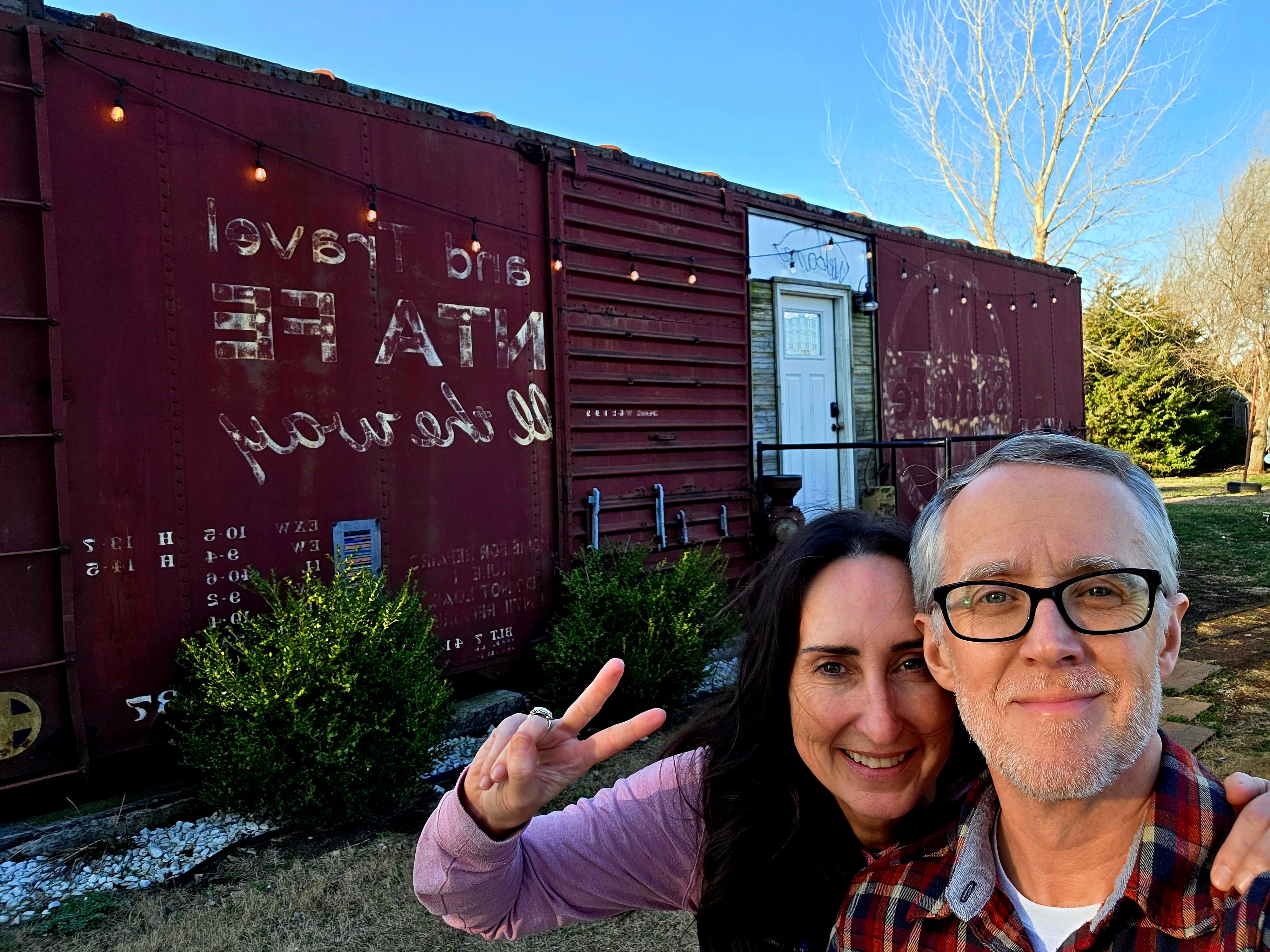
Our apartment gave us what we needed without providing much room for accumulation. That was part of its appeal. We did not have unused rooms waiting to be filled or endless projects demanding attention. When something new came into the apartment, we sometimes had to decide what could leave. Purchases became more intentional because every object needed a reason to be there.
For Paula, that choice also followed a season of reclaiming her life. Leaving a long marriage did not produce a clean, empty page. It produced decisions about belongings, money, storage, furniture, responsibilities, and which parts of a former life should continue into the next one. Sorting possessions could become a form of sorting identity. An object might be useful, sentimental, expensive, or connected to a version of life that no longer fit. Letting go was not always simple, but keeping everything would have allowed the past to continue occupying every available room.
I understood the appeal of less for my own reasons. I had spent years around homes, businesses, equipment, technology, family expectations, and the assumption that responsible people keep adding capacity. Yet capacity is not the same as freedom. A life can become so well equipped that it becomes difficult to move. Minimalism gave us a way to ask a better question. Not, Can we own this? But, Does this deserve part of our limited space, money, attention, and life?
Living small never felt like deprivation. It felt like freedom. We could close the door and leave without worrying about a yard, basement, unfinished project, or long list of repairs waiting for our return. Our home supported our adventures instead of competing with them. It was not a monument to reduced ambition. It was a base camp.
The apartment gave us shelter without demanding our lives in return.
We were not rejecting comfort. We liked returning to a familiar bed, cooking in our kitchen, watching something together, or spending an uneventful evening at home. Rest matters. Peace matters. Nobody can remain in motion forever. I have always appreciated the order and quiet of home. If I want to relax, home is where I do it best. We simply did not want comfort to become the organizing principle of our lives.
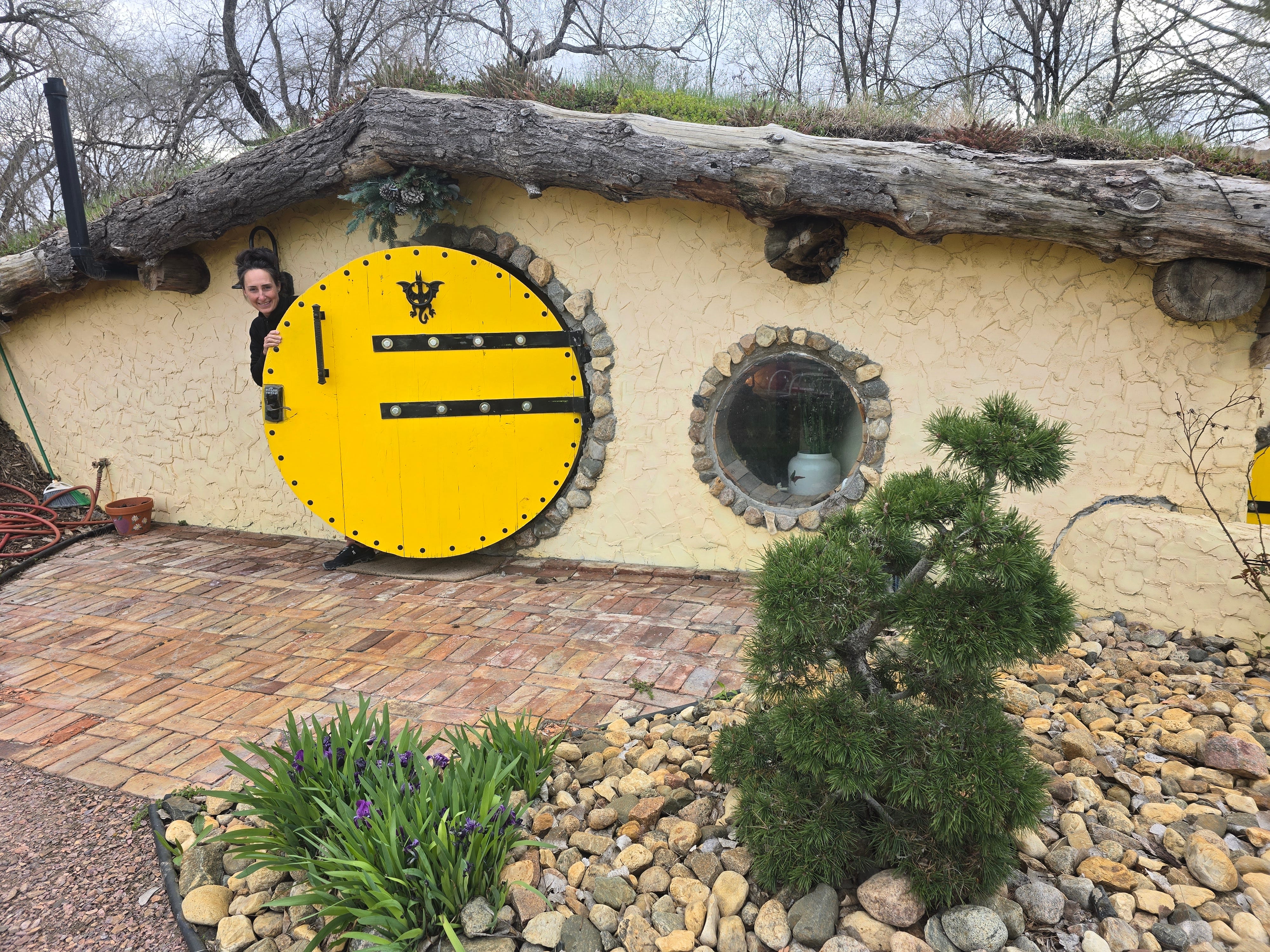
We wanted home to restore us before the next experience, not prevent us from having one.
The adventure spreadsheet became the clearest expression of that philosophy. It contained places we had visited, trips we hoped to take, trails we wanted to hike, museums we wanted to explore, bicycle routes we wanted to ride, and more possibilities than one lifetime could hold. Some entries became detailed itineraries. Others remained names waiting for attention. To someone else, the spreadsheet might have looked excessive. To us, it looked like possibility.
I never expected every line to happen. That was not the point. The spreadsheet was not a contract with the future. It was a place to preserve curiosity before ordinary life buried it. An idea could arrive during a conversation, while reading an article, after seeing a photograph, or because a child mentioned a place. If we recorded it, the possibility remained visible. It no longer depended on memory or the vague promise that we might do it someday.
Someday has never been a date.
If something mattered, I wanted to give it a place on the calendar. That did not guarantee the plan would survive. Weather changes. Money changes. Children have schedules. Work intervenes. Health, family needs, and unexpected events reorder priorities. Plans move, but curiosity can remain. The calendar was not evidence that I believed life could be controlled. It was evidence that meaningful experiences deserved protection from whatever seemed urgent that week.
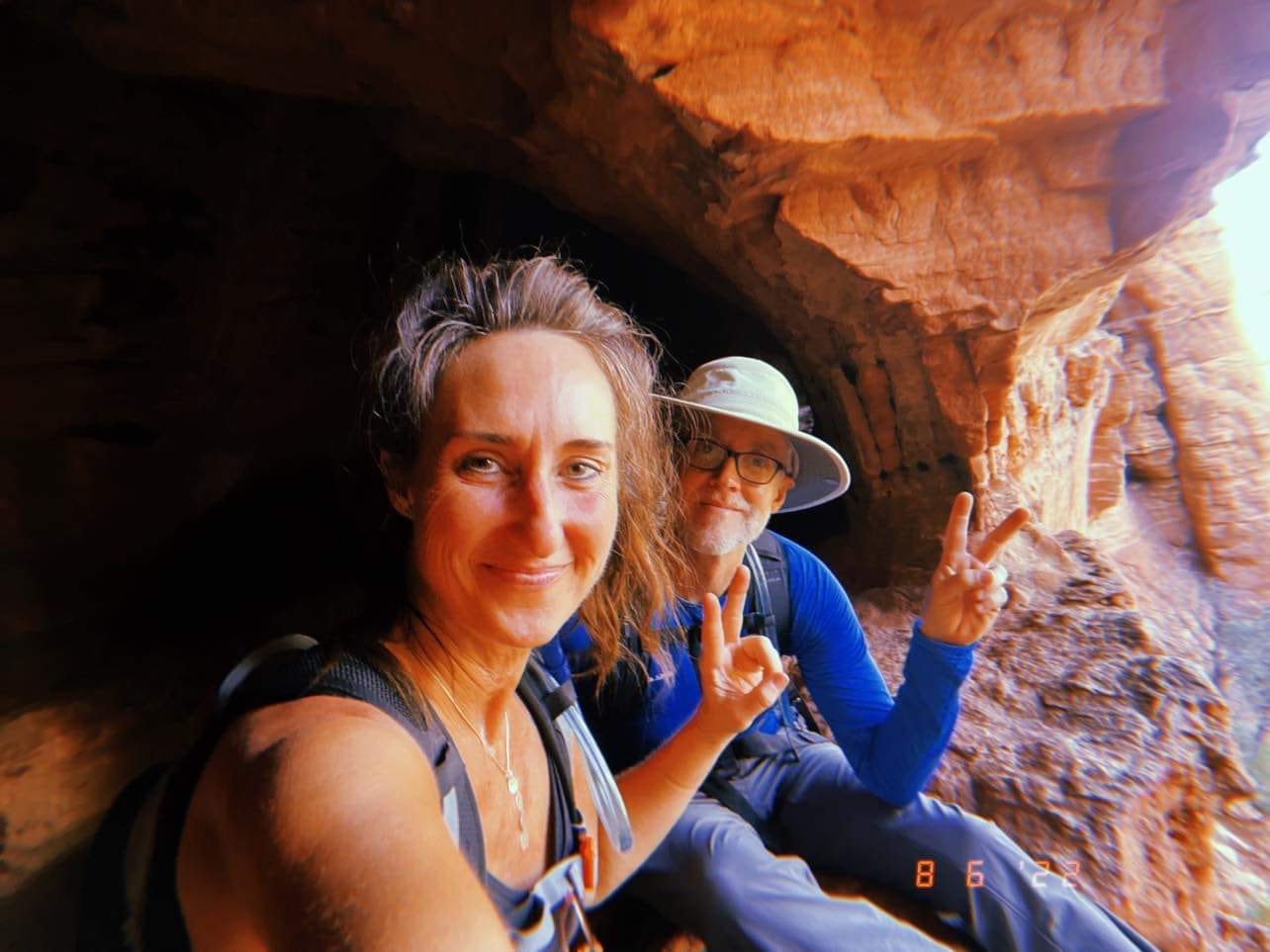
People sometimes ask where I am going on vacation, and I usually correct them. I am not going on vacation. I am going adventuring. The distinction may sound unnecessarily precise, but the words represent two different intentions. Vacation suggests escape, rest, and suspension of responsibility. Adventuring suggests movement, discovery, challenge, and the possibility of returning as a slightly different person.
I do not travel because I dislike my life. I travel because I want to enter it more fully.
When I travel, I do not always stop working. Because of the work I do, I often carry enough technology to respond from almost anywhere. I travel with multiple ways to connect, more than one device, and the expectation that a client or system might still need me. Sometimes I wake before everyone else and work while the rental property, hotel, cabin, or ship remains quiet. By the time Paula and the girls wake, I may have answered messages, checked systems, or resolved a problem. Then I close the computer and we begin the day.
I do not resent that balance. Work and adventure do not need to exist in opposition. Technology gives me the freedom to remain responsible without remaining stationary. I may work early, answer something from the passenger seat, or step away when necessary. Then I return to the trail, museum, street, performance, or conversation. I do not want to escape my responsibilities. I want a life flexible enough to carry responsibility into a larger world.
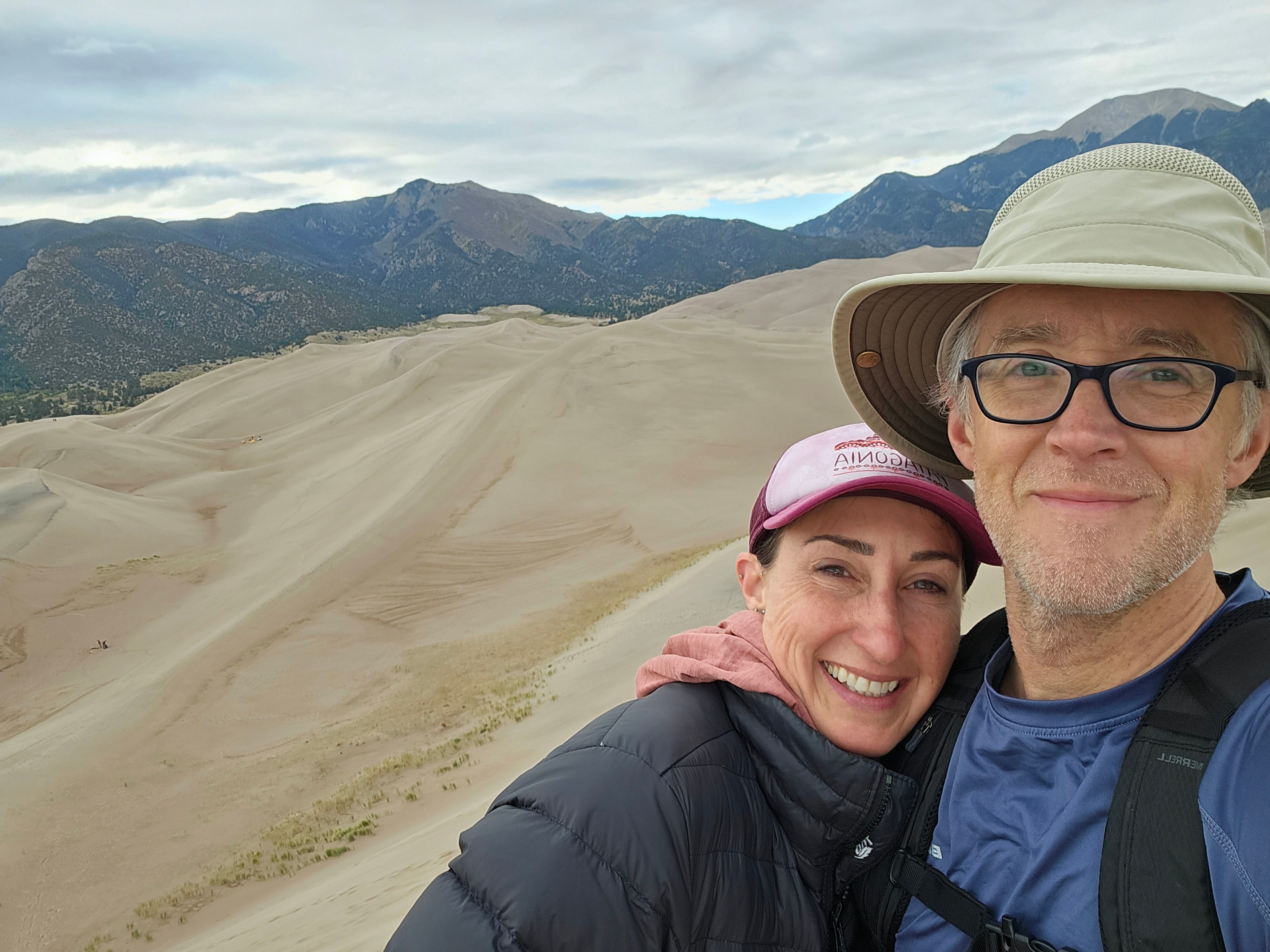
Some of the experiences asked a great deal from us. Backpacking the Teton Crest Trail was not a vacation built around room service and controlled temperatures. We carried what we needed, accepted changing conditions, and continued walking when our bodies were tired. Backpacking reduces life to its essentials. Food matters. Water matters. Warmth and shelter matter. Weather, terrain, daylight, and distance become immediate. Most of the other things that occupy our minds become temporarily irrelevant.
A mountain does not care about a résumé, job title, house, or bank account. It does not care whether someone appears successful. It asks whether the person is prepared to continue climbing.
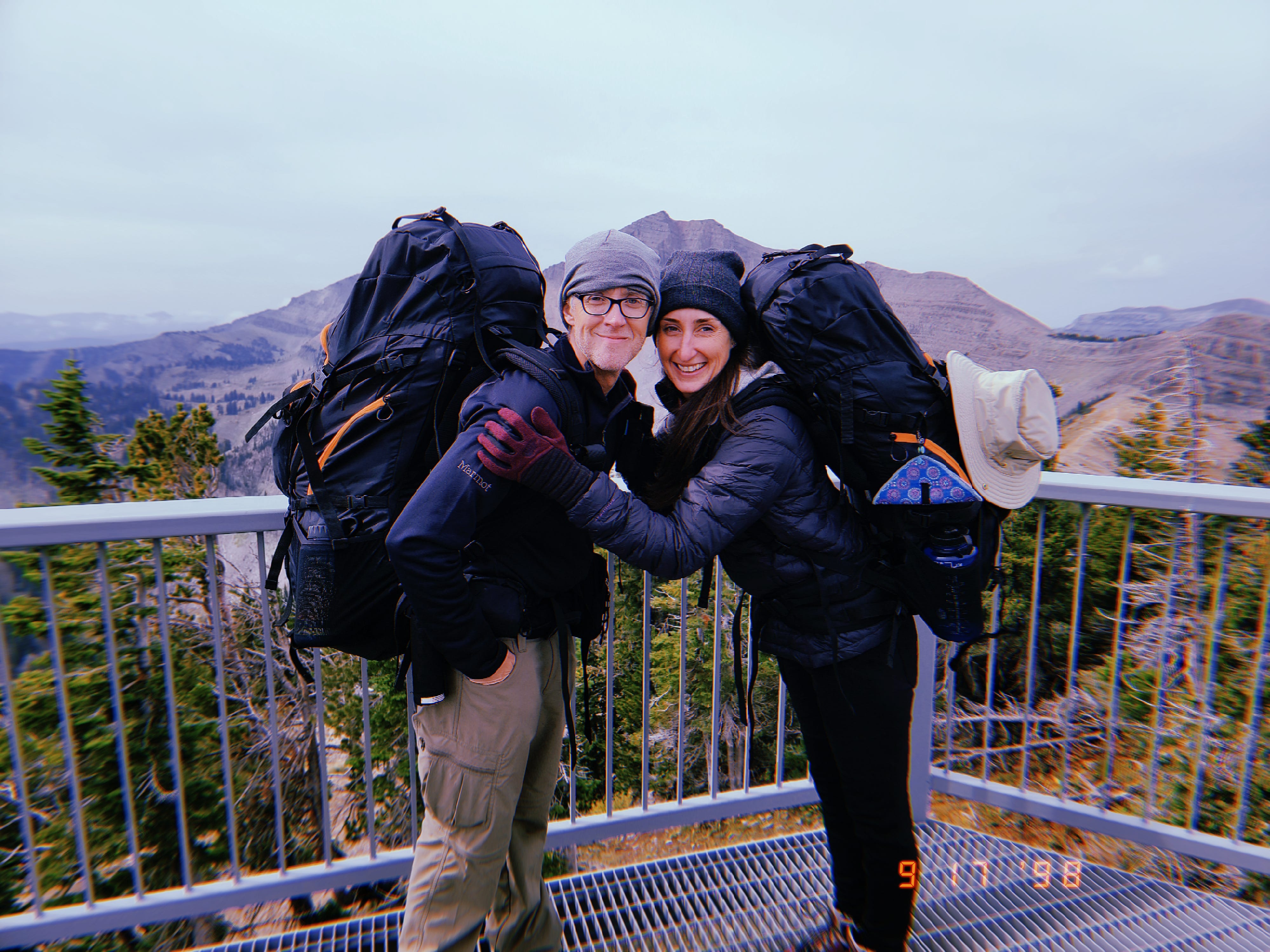
Paula and I shared the beauty, fatigue, uncertainty, and satisfaction of reaching places available only to people willing to carry themselves there. The joy did not exist separately from the difficulty. It often appeared because of it. We had to prepare, carry weight, pay attention, adjust expectations, and keep moving. The difficulty stripped the experience of pretense. There was no value in appearing capable. We had to become capable enough for the next mile.
Shared discomfort reveals character.
It also creates stories. A perfect trip may produce beautiful photographs, but the memory often fastens itself to what went wrong: the weather that changed, the trail that seemed longer than expected, the equipment that failed, the wrong turn, the ridiculous lodging, or the meal assembled from whatever remained. In the moment, inconvenience can feel like failure. Later, it often becomes the part everyone retells.
Our life together was never limited to wilderness. Adventure could be a bicycle, museum, ship, theater, climbing wall, small town, unusual place to sleep, or road leading somewhere unfamiliar. The activity mattered less than the willingness to enter an experience together. Adventure was not a category on the spreadsheet. It was a posture toward the world.
We rode our bicycles across Nebraska with Paula’s mother and later rode across Missouri. Those trips reminded me that adventure does not belong only to the young. At an age when many people assume exploration should become smaller, Paula’s mother climbed onto a bicycle and kept moving. I loved having her with us because she represented the same philosophy we were trying to practice. She remained willing to attempt something difficult, experience new places, and collect another story.
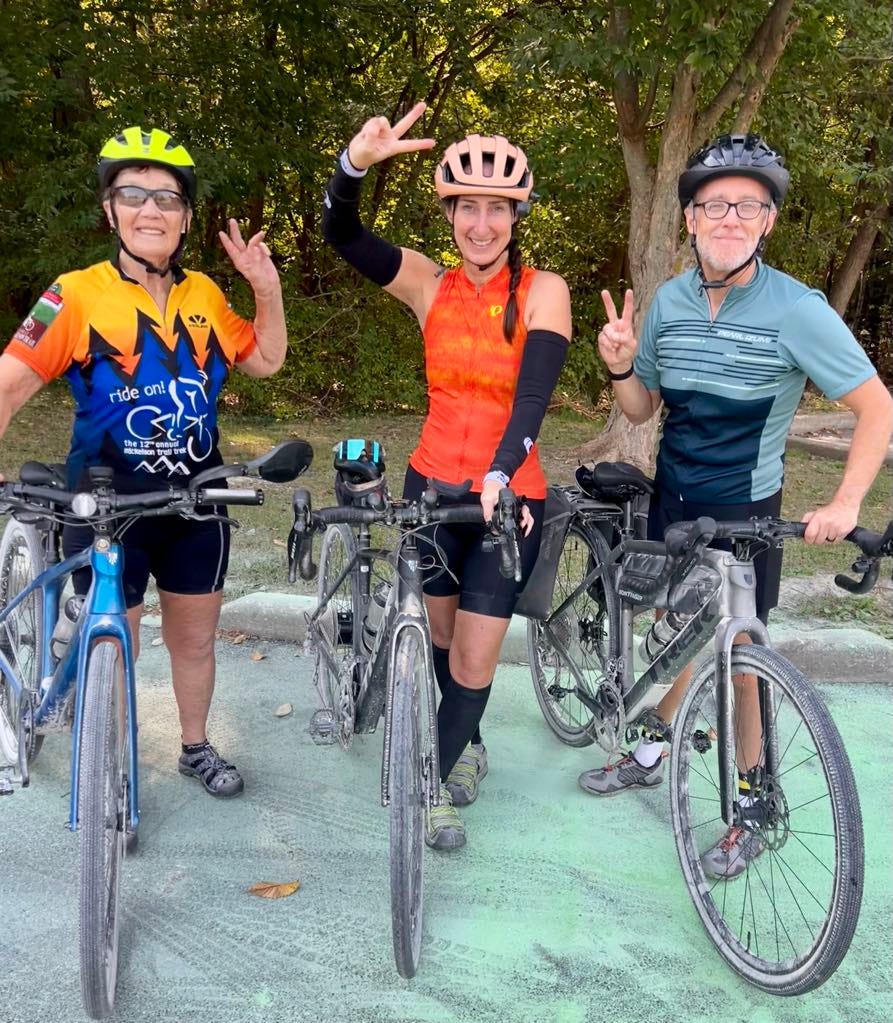
A bicycle changes how a person encounters a place. From a car, towns and fields appear and disappear quickly. On a bicycle, every hill becomes real. You feel the wind, smell the fields, notice buildings, hear animals and conversations, and watch the landscape change one mile at a time. A town that might have been an exit sign becomes water, shade, food, and human contact. The experience exists between the starting and finishing points.
That became true of our larger life as well.
The adventures with Natalie and Annabelle took many forms. We traveled by car, airplane, train, bicycle, and ship. We explored cities, museums, beaches, hiking trails, national parks, performances, and whatever else looked interesting nearby. The girls developed a goal of visiting all fifty states before they both graduated. We were not trying to turn childhood into a competition or reduce the country to boxes on a list. The goal gave our family travel a thread.
States became more than shapes on a map or names on interstate signs. A state might become the place where we found a waterfall, walked through a historic neighborhood, visited a museum, stayed somewhere unusual, or laughed about something none of us could have planned. More importantly, the goal taught the girls that the world was available. They could enter unfamiliar places, ask questions, learn the history, navigate uncertainty, and discover stories beyond their own experience.
One trip took us to Washington, D.C., for ten days filled with museums, memorials, history, performances, and a great deal of walking. It was not the kind of vacation where we relaxed beside a pool. We walked until our feet hurt, read until our minds were tired, and then went to plays and comedy performances. For us, it was nearly perfect.
We were not simply seeing a city. We were using it as a classroom. Paula and I shared the belief that education does not end with a degree. A museum can change how someone understands history. A performance can create empathy. A trail can teach persistence. A new city can expose assumptions a person did not know they carried. Travel gives learning physical form. History has an address. Geography has weather. Culture has sound, food, architecture, and people who do not organize life exactly as we do.
Other trips gave us different experiences. Cruises allowed us to visit several places while also spending long stretches of time together. They were physically different from backpacking, but both removed us from ordinary routines. Nobody drove home after dinner or disappeared into a separate schedule. For a while, everyone occupied the same journey. Some experiences tested us physically. Others expanded us culturally. What mattered was that we were collecting stories together.
The most meaningful trips sometimes connected different parts of our family story. During a road trip through Montana, the girls met Helen. Years earlier, becoming their father had helped me understand the sacrifice involved in placing a child for adoption. Now they were old enough to create their own memories with the woman whose decision had made their existence possible.
Later, we met Helen again during travels through Seattle and Canada. Those visits allowed something extraordinary to become ordinary. In the beginning, every interaction with Helen carried the weight of the missing decades. Over time, she became someone we could visit during a trip and include in an adventure. The girls could know her as a person, not only as an important figure in my adoption story.
The reunion became a relationship.
That was what I had always hoped family could become. Not a rigid structure with fixed definitions, but an expanding collection of people willing to know and care for one another. Paula brought her sons and parents into my life. I brought my daughters and complicated family history into hers. We did not erase the families or experiences that came before us. We created connections among them.
Not every adventure included everyone, and that was also part of the life we chose. Love did not require every interest to become shared or every trip to include the entire family. Sometimes I traveled with the girls. Sometimes Paula and I traveled together. Friends or other family members joined certain adventures, and some experiences still belonged to solitude. A healthy shared life needs room for separate identities.
The goal was never to become one indistinguishable person. We wanted to create a life large enough for everyone to remain themselves while still having meaningful experiences together. Minimalism helped by reducing the number of things competing for our time and money. We did not eliminate responsibility. We tried to direct our resources toward what mattered.
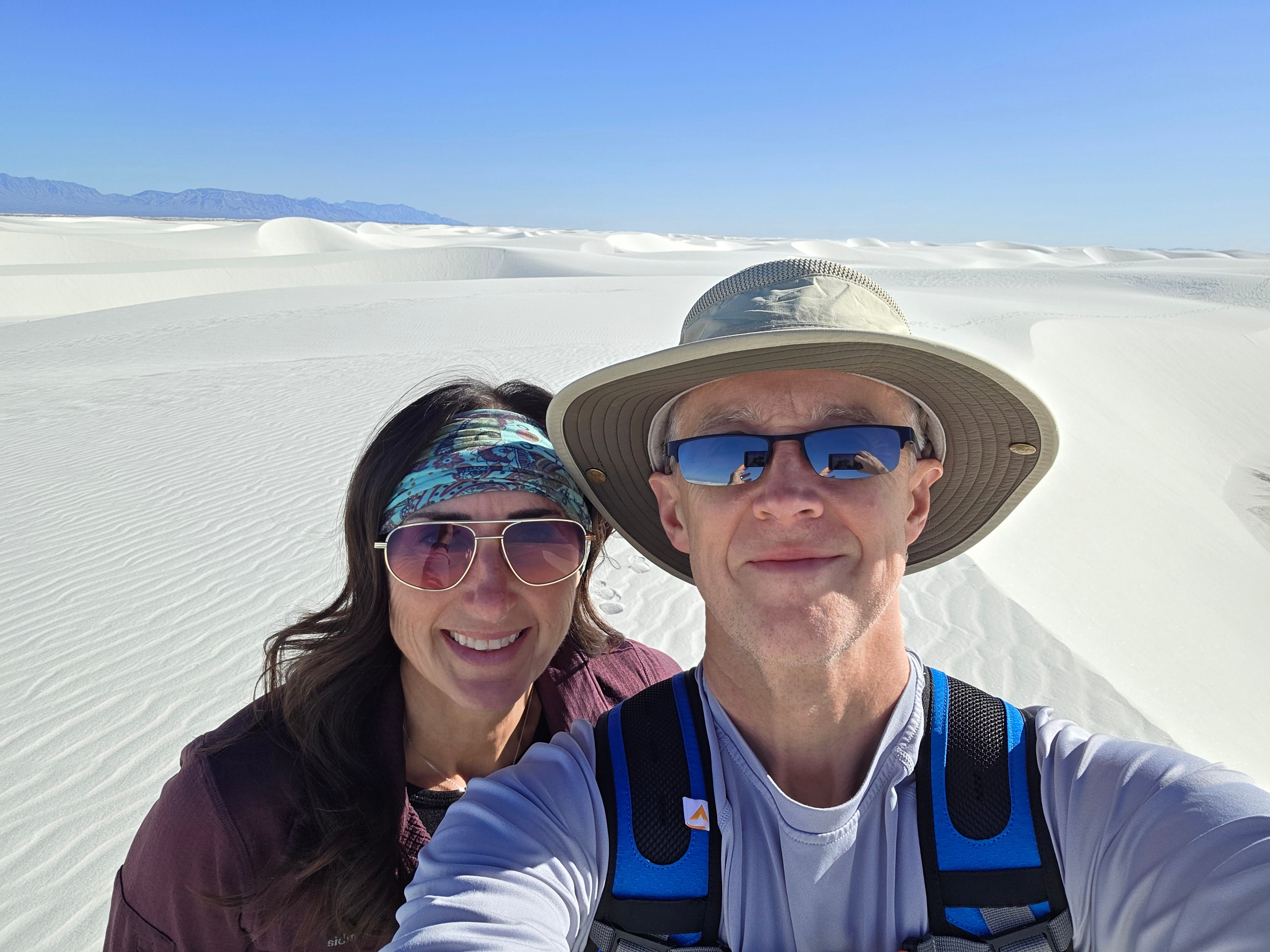
The apartment gave us shelter. The spreadsheet preserved possibility. The calendar turned some possibilities into experiences. Then memory turned the experiences into stories.
The older I become, the more I believe experiences compound much like money. One trip creates confidence for the next. A child who learns to navigate one unfamiliar city becomes less intimidated by another. Someone who completes a difficult trail begins to reconsider other limits. A conversation with a stranger becomes a friendship. A museum exhibit becomes the beginning of a lifelong question. A person who survives one disrupted plan learns that uncertainty does not have to destroy the day.
Possessions often lose value after they are purchased. Experiences can become more valuable over time. The difficult moments become funny. The disappointing lodging becomes a family joke. The wrong turn becomes the part everyone remembers. The exhausting bicycle ride becomes evidence that a person can do hard things. The time together becomes more valuable as the children grow older.
That is why I plan. The spreadsheet has never been an attempt to control every moment. Anyone who travels knows control is mostly an illusion. Flights are delayed. Weather changes. Trails close. People become tired. Reservations disappear. Plans that looked wonderful from home sometimes become ridiculous after arrival. Planning does not guarantee an experience. It creates space for the experience to occur.
There is a difference.
Paula and I did not choose a perfect life. We still had jobs, family challenges, illness, obligations, unexpected expenses, and days when nobody felt adventurous. Minimalism did not remove stress. Travel did not solve every problem. A mountain view could not eliminate the difficult conversation waiting at home. The life we chose was not an escape from reality. It was a decision about what deserved space inside that reality.
We wanted room for curiosity, family, learning, movement, creativity, service, laughter, rest, discomfort, and wonder. We also wanted our children to understand that life did not need to follow one approved design. A meaningful life might include a large house and many possessions. It might also include a small apartment and an enormous spreadsheet. The important part is choosing consciously.
For years, I lived according to a scorecard I did not create. Success meant achievement, responsibility, accumulation, and usefulness. Those qualities gave me things for which I remain grateful, but they could not answer the question that mattered most.
Did the life feel like mine?
With Paula, the answer gradually became yes. We chose fewer possessions and more freedom. We chose a smaller home and a larger world. We chose bicycles across Nebraska and Missouri, backpacks in the Tetons, museums and performances in Washington, road trips, cruises, national parks, unusual lodging, and visits that connected our daughters with Helen. We chose experiences that left us tired, curious, challenged, and grateful. Most importantly, we chose each other without asking either person to become smaller.
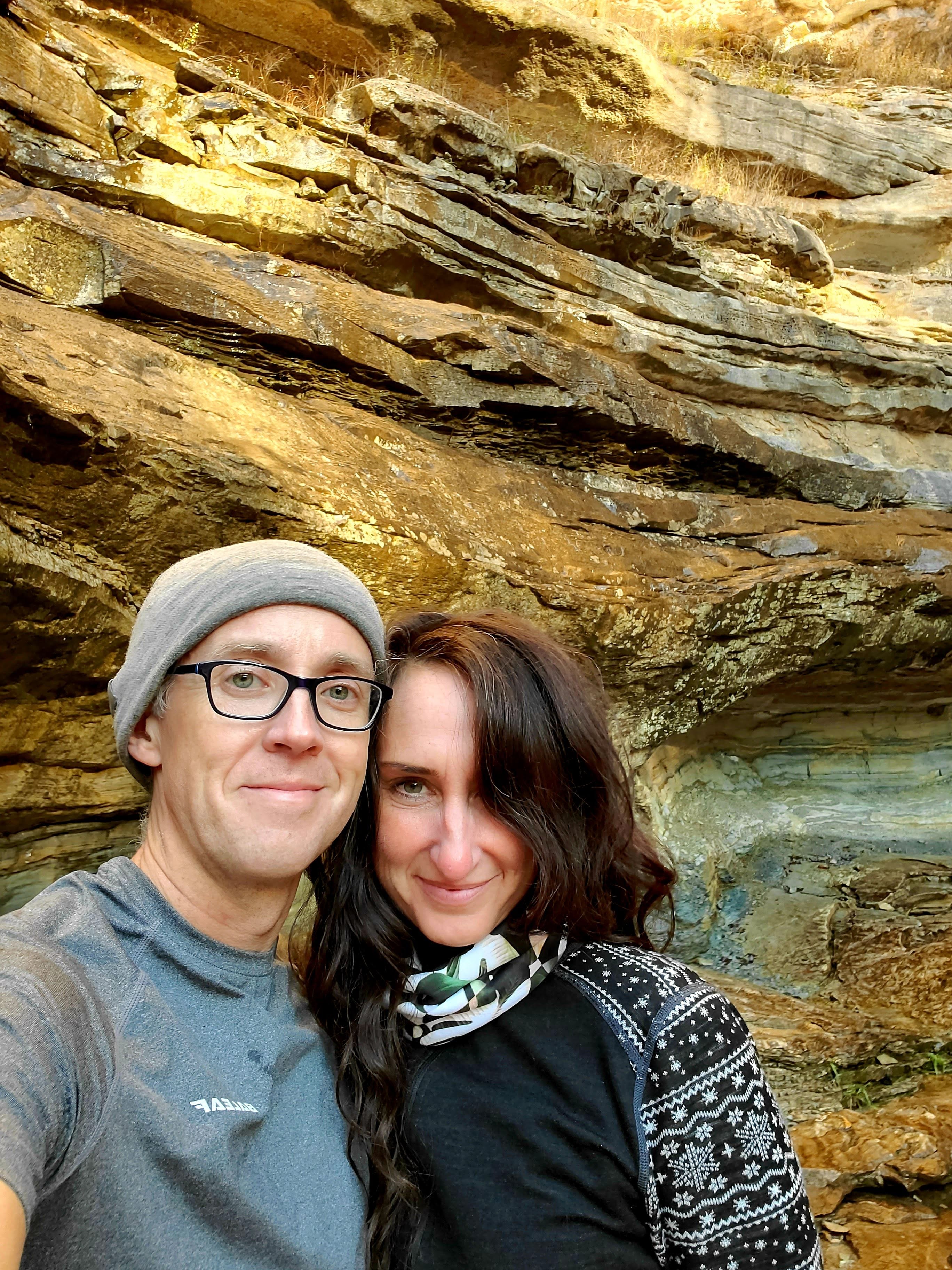
The adventure spreadsheet continues into the future. Some trips may happen, and others may remain ideas. That no longer concerns me. A life should contain more possibilities than it can complete. Possibility keeps curiosity alive. Looking back, Paula and I did not build the life people might have expected. We built one that reflected what we valued.
The less we focused on accumulating things, the richer our lives felt. The fewer objects we needed to protect, the more freedom we had to explore.
The smaller our home became, the larger our world seemed.
At some point, we stopped asking what we should buy next and began asking where we should go next. That was the life we chose. Once we had chosen the life, we eventually made another unexpected decision. We decided to choose each other officially.
Naturally, I handled it in the most romantic way imaginable.
I sent Paula a meeting invitation.