

Entering Someone Else’s Joy
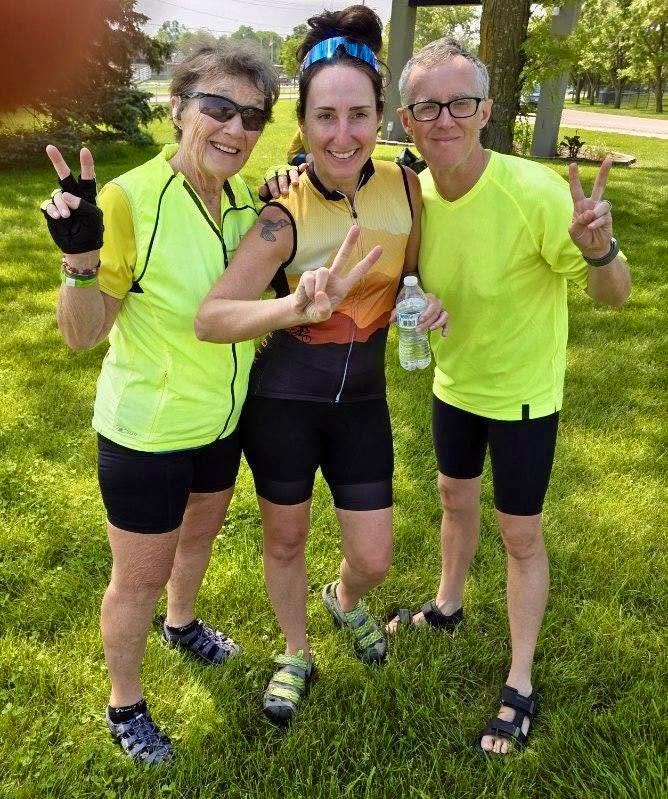
One of the first stories Paula told me after we started dating involved her mother and a bicycle. At the time, her mother was approaching eighty years old, which immediately made the story more interesting. Most people retire and choose hobbies such as gardening, golf, quilting, or reading. Paula’s mother retired in her sixties, decided she needed something new to occupy her time, and bought a bicycle. Then she kept riding it. Year after year, she returned to the Mickelson Trail in South Dakota and participated in BRAN, the Bike Ride Across Nebraska. By the time I met her, she had ridden the Mickelson Trail for more than fifteen years and had crossed Nebraska almost as many times. She was riding farther, longer, and more consistently than many people half her age.
I remember doing the math in my head and becoming increasingly impressed. There was something inspiring about someone approaching eighty who still viewed life as an invitation rather than a conclusion. She had not reached retirement and decided the adventurous portion of her life was complete. She discovered something she enjoyed and continued doing it. The bicycle became more than a hobby. It became movement, freedom, independence, and a reminder that age did not have to determine the size of her world.
As I listened to the stories, however, another detail caught my attention. Much of the time, she rode alone. Not entirely alone, of course. Paula’s father supported the trips, pulled the camper, helped with meals, transported equipment, and made much of the adventure possible. He simply did not ride. Cycling belonged to her. It was her activity, her challenge, and her joy.
One day, after hearing enough of these stories, I looked at Paula and said, “We should ride BRAN with your mom.”
The expression on her face suggested that she believed I had completely lost my mind. To be fair, she may have been right. Riding a bicycle across Nebraska was considerably higher on my Joy List than hers. Spending days pedaling through small Nebraska towns, sleeping in tents, waking up sore, and covering hundreds of miles sounded like an adventure to me. To Paula, it sounded mostly uncomfortable. She did not possess a hidden dream of riding across Nebraska. She was not waiting for someone to provide the opportunity. It was not her joy.
That was never really the point.
The point was her mother. I knew how much cycling meant to her. I knew how much happiness she found in those rides, and I knew she had spent years pursuing that joy largely by herself. It seemed obvious to me that sharing the experience would mean something to her. We would not simply be listening to stories after the ride. We would become part of them.
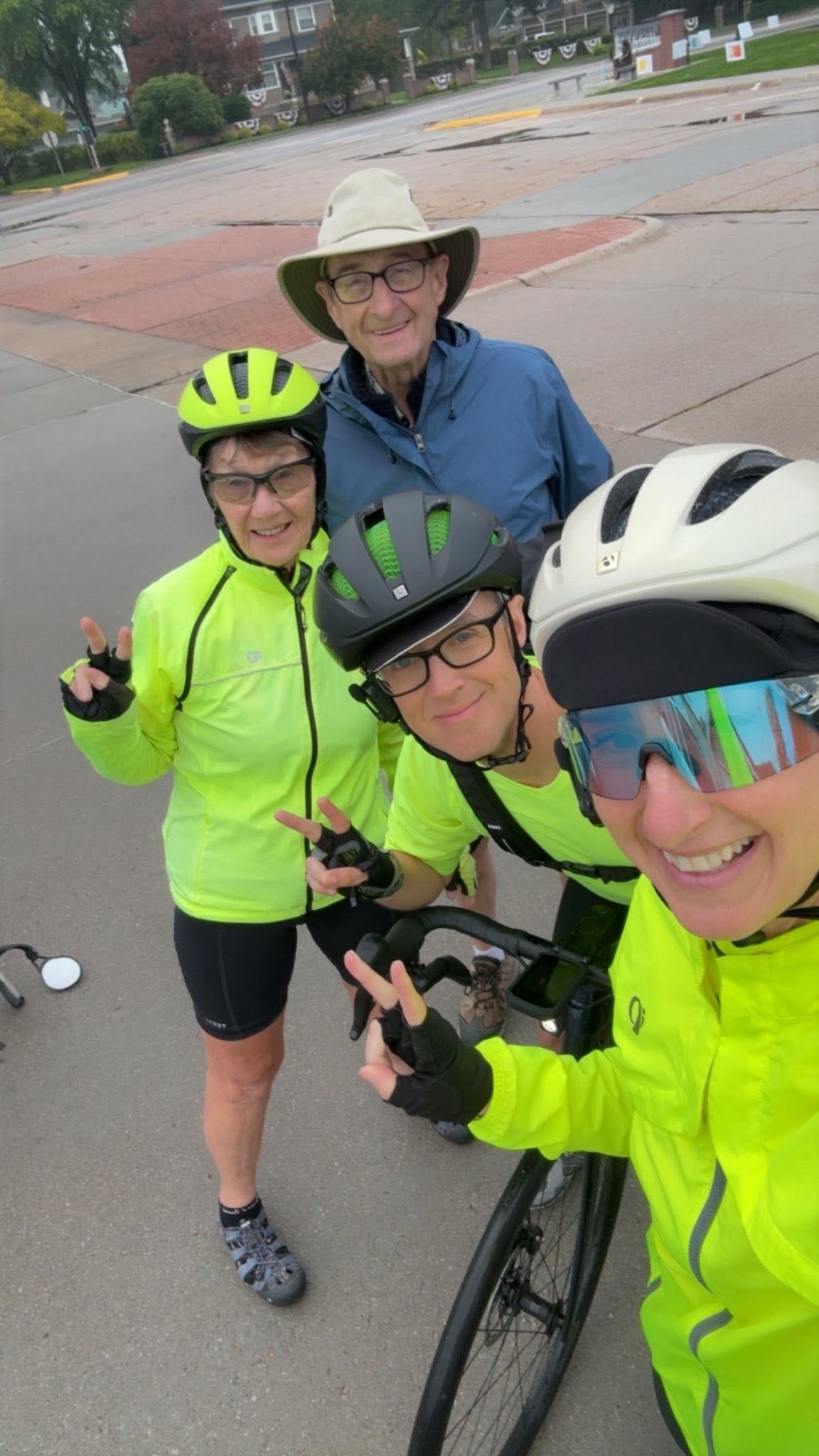
So we did it. Then we did it again. Later, we rode across Missouri with her on the Katy Trail. More recently, we rode the Mickelson Trail together, following the same trail she had traveled for so many years.
Looking back, what I remember most is not the mileage, the hills, the campsites, or the weather. I remember watching Paula ride beside her mother. Paula did not suddenly fall in love with multiday bicycle rides. She endured the discomfort because she understood what the experience meant to someone she loved. The rides were never really about bicycles. They were about entering another person’s joy.
For much of my childhood, encouragement had worked differently. The adults around me often suggested activities they understood or considered valuable. I took piano lessons, played tennis, joined the school newspaper, participated in swing choir, and competed in Academic Decathlon. I worked hard and frequently performed well, which made it easy to assume those activities represented me. If I succeeded at something, I assumed I must enjoy it. Only years later did I begin recognizing the difference between helping someone succeed at an activity and becoming curious about what actually makes that person feel alive.
The first kind of encouragement says, “This would be good for you.” The second asks, “What matters to you, and how can I stand beside you while you pursue it?”
That distinction was part of what made riding with Paula’s mother meaningful. Nobody was trying to redirect her toward a more practical hobby or asking why someone approaching eighty still wanted to cross states on a bicycle. We were not evaluating her joy, improving it, or replacing it with something we understood better. We were entering it. After spending much of my life adapting to the expectations and interests of other people, I had begun to understand how powerful it could be to meet someone inside the life that person had already chosen.
As I grew older, I began realizing that one of the purest forms of love is choosing to care about something because someone you love cares about it. The activity itself almost becomes irrelevant. What matters is the person. Love does not always arrive through dramatic declarations or grand gestures. Sometimes it appears as a bicycle seat, a sore back, several uncomfortable nights, and a willingness to do something that would never have appeared on your own Joy List because it means the world to someone you love.
Bringing the Families Together
A few years later, I was continuing to work toward a goal that had become important to me. I wanted to visit all fifty states with my daughters before they graduated from high school. The goal was never really about geography or placing marks on a map. It was about accumulating experiences while they were still young enough to want to travel with their father. I wanted us to have stories that belonged to us, stories involving mountains, highways, unexpected weather, strange roadside stops, national parks, missed turns, long conversations, and the countless small moments that happen when people leave ordinary life behind and go somewhere together.
Around that same time, I kept hearing stories about Grants Pass, Oregon. The stories came from Paula’s mother, who had grown up there before eventually leaving, attending school, meeting Paula’s father in Los Angeles, and building a life approximately fifteen hundred miles from where her own story began. Paula’s father remained geographically closer to much of his family. Her mother’s relatives and childhood history were far away.
The more stories I heard, the more curious I became. Eventually, I said something that had become a recurring theme in my life: “We should go.” I did not mean that Paula and I should fly there for a quiet weekend. I meant everyone should go together.
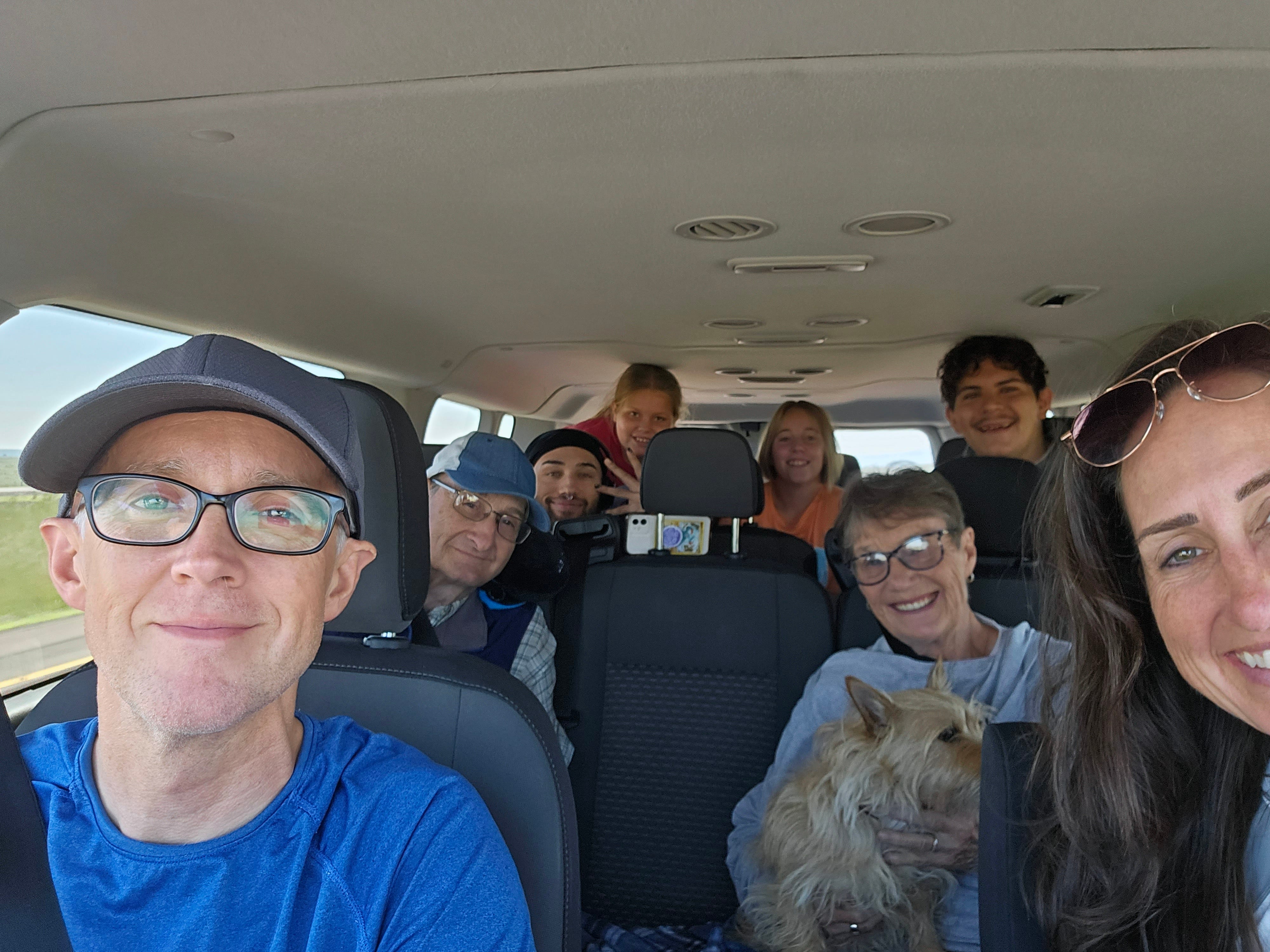
So I rented a twelve-passenger van.
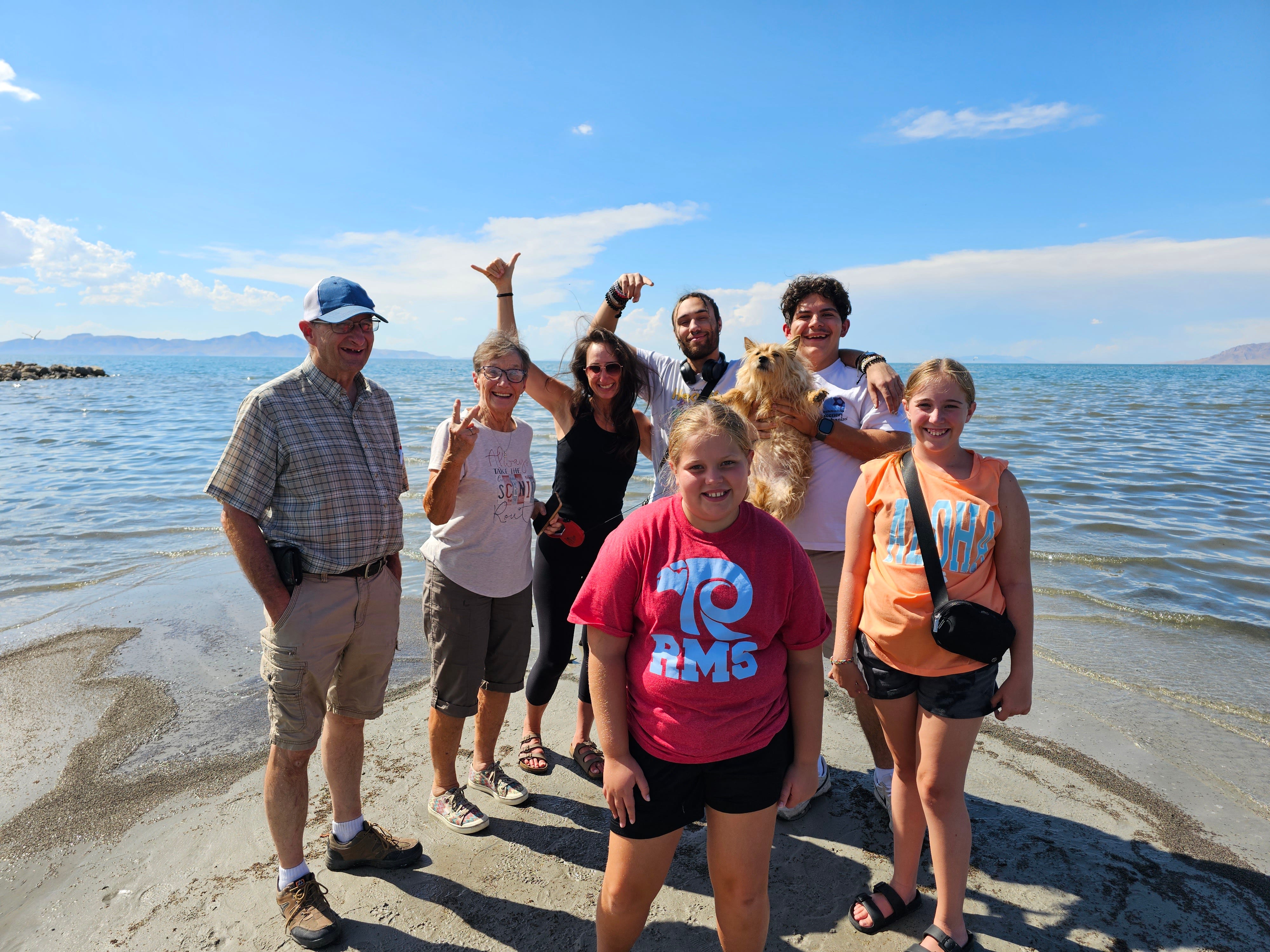
Looking back, the plan sounds completely ridiculous. We had eight people spanning several generations, ranging in age from approximately twelve to eighty. We had Paula, her parents, my daughters, Paula’s younger son, one of his friends, me, and her parents’ dog, which looked remarkably like Toto from The Wizard of Oz. We had thousands of miles to travel, entirely too much luggage, many different personalities, and enough age variation to make nearly every decision complicated. From a purely practical perspective, it was a terrible idea.
Naturally, we did it anyway.
There was originally supposed to be one more person in the van. We planned to pick up Helen and bring her with us. The Pacific Northwest was one of her favorite parts of the country, and the idea of taking her to Oregon with my daughters, Paula, Paula’s parents, her son, and the rest of our unusual traveling group seemed perfectly natural to me. Unfortunately, the arrangements fell through, and Helen was not able to join us. The trip ultimately continued with eight people instead of nine.
Even though she did not come, the invitation meant something to me. Earlier in my life, I had viewed family in separate categories. There was my adoptive family, my biological family, my former wife’s family, my daughters, and eventually Paula’s family. Each group seemed connected to a different chapter and occupied a separate room in the larger house of my life. Somewhere along the way, those walls had begun disappearing. The fact that it seemed completely reasonable to invite my biological mother to travel across the country in a van filled with my daughters, my new partner, her parents, her son, his friend, and a small dog revealed how much my understanding of family had changed.
I was no longer thinking about which family someone belonged to. I was thinking about the people I cared about.
The eight of us crossed the country together. We stopped at the Great Salt Lake. We went white-water rafting, blew glass at a hot shop, attended a famous Shakespeare festival, visited unfamiliar places, and met people we never would have encountered at home. We experienced the ordinary chaos that always accompanies a large road trip. People became hungry at different times. Everyone had different ideas about when to stop, what to see, and how long any particular activity should take. The van became crowded, the miles became long, and the entire experience accumulated enough complications to guarantee that we would remember it.
What made the trip meaningful, however, was not any particular attraction. It was watching Paula’s mother reconnect with pieces of her history. It was seeing my daughters enter another person’s childhood stories and understand that the woman they knew as a grandmother had once been a child in a distant place. It was introducing my family to her family and creating shared memories across generations.
Perhaps I understood the importance of returning to Grants Pass because I had spent so much of my own life looking backward. As an adopted child, I had grown up inside a loving family while still wondering about the people and places that existed before I entered it. I understood what it felt like to hear people describe childhood homes, grandparents, inherited traits, and family history while quietly wondering where my own story began. Years later, adoption paperwork, an original birth certificate, and a few names finally gave me access to branches of my history that had always existed but had never been visible to me.
Grants Pass was part of Paula’s mother’s visible history. She could name the roads, remember the people, and tell stories about the place where she became herself. Distance had separated her from much of that family and history, but the connection remained. Taking the trip gave me an opportunity to help another person return to a meaningful part of her story.
What made the journey especially important was that we did not merely take her back. We brought younger generations with us. She returned to the world that had formed her, and the rest of us came away with a better understanding of that world. The past was not preserved behind glass or reduced to a series of stories told at the dinner table. For a little while, we stepped inside it together.
The older I get, the less convinced I am that the best family experiences are supposed to be efficient. Most of the memorable ones are a little chaotic. They involve too many people, too much luggage, too many miles, and just enough uncertainty to produce stories. The trip to Oregon became another chapter in our family, not because everything went perfectly, but because we went together.
Making Room
As the years passed, I also came to appreciate something else. I am not particularly similar to Paula’s family, at least not on paper. I am a technology consultant, triathlete, cyclist, backpacker, comedian, improv performer, and collector of adventures. I build spreadsheets to organize joy. I become intensely interested in ideas, research subjects far beyond what most people consider necessary, and regularly propose experiences that require everyone around me to decide whether I am creative or simply unreasonable.
Paula’s family, meanwhile, is remarkably musical. Not casually musical. Impressively musical. Her sister and brother-in-law are well-known musicians, and music flows through the family in ways I have always admired but never personally possessed. Even after years of piano lessons, I never became someone who naturally understood music the way they do.
Paula’s parents have also devoted much of their lives to serving others. They helped build churches in western Nebraska, traveled to Africa to support schools and wells, and have spent much of their retirement feeding, clothing, and helping people in need. They remain deeply involved in their community and seem instinctively drawn toward places where something needs to be built, repaired, provided, or cared for. Their service is not something they perform for recognition. It is simply how they move through the world.
On paper, I should probably feel like the odd person in the room. Yet I never have.
That realization took years to appreciate because I had experienced generous welcome before. My former wife’s family welcomed me with open arms, included me in traditions, invited me into family vacations and gatherings, laughed at my jokes, and treated me with genuine kindness. I remain grateful for that. At the same time, being surrounded by a large biological family sometimes reminded me of a history I could participate in but had not inherited. I could attend the gatherings, learn the stories, join the traditions, and become someone they sincerely loved while still noticing the biological threads connecting everyone around me.
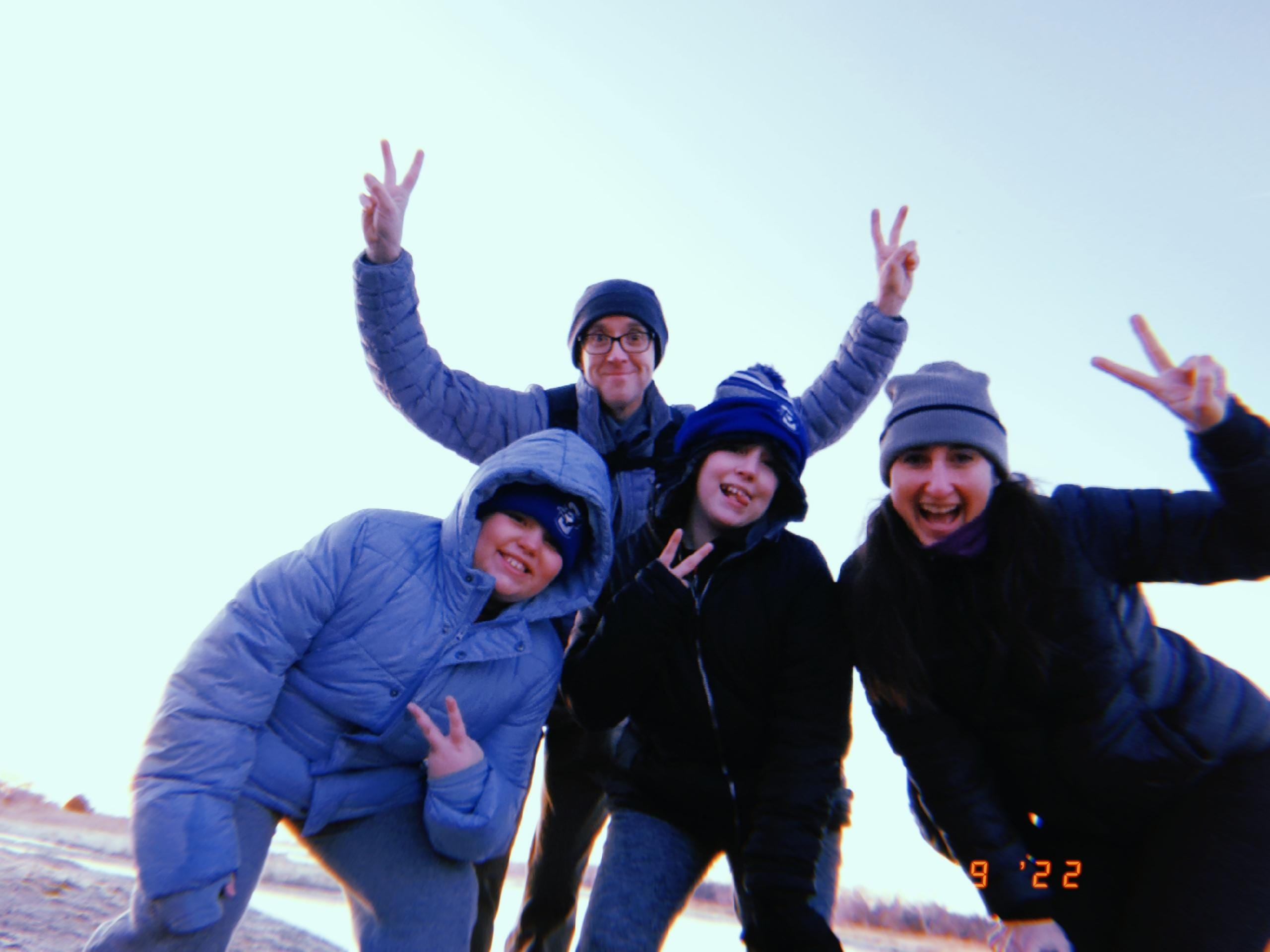
Their welcome was real. My difference was real too.
With Paula’s family, I arrived with a different understanding of myself. By then, I had found Helen. I had found Michael. I had lived through the end of my marriage, lost the approval I once believed I needed, and begun learning to trust the voice inside me. I no longer needed another family to explain where my traits came from or confirm that I deserved a place at the table. I needed something both simpler and more difficult to find. I needed people who allowed me to arrive as my whole self.
Nobody tried to make me more musical, more conventional, more religious, or more similar to them. Nobody treated my technology, triathlons, comedy, spreadsheets, or unusual collection of adventures as problems requiring correction. They did not accept me because I successfully blended into their family. They accepted me while fully recognizing that I did not.
That mattered because, for much of my life, I had believed belonging required adaptation. I studied the room, identified expectations, and became the version of myself most likely to be welcomed. I had spent years learning how to become useful, responsible, agreeable, and easy to understand. I mistook approval for belonging because approval was something I knew how to earn.
Life had gradually been teaching me something different. Being included was not always the same as belonging. Being seen was not the same as being managed. The healthiest families did not require me to disappear into them.
They made room for me without asking me to become smaller.
Paula has often described her father as a feminist. The description makes sense when she explains how he raised his daughters. He did not treat them as fragile or assume they needed to be protected from every difficult thing. He taught them to be capable, independent, confident, and self-sufficient. Apparently, that education included teaching them how to kill rattlesnakes with a knife.
Most people hear that story and focus on the rattlesnake. The actual lesson was confidence. He was teaching his daughters that they could handle difficult things. The message was not delivered through a slogan or speech. It was taught through expectation, trust, and experience.
That belief shaped Paula. Years later, it would affect my life too.
The People Who Would Walk Across Hot Coals
Watching Paula’s family also changed the way I thought about parents. I have always admired my former wife’s dedication to our daughters. Even after our marriage ended, I never questioned her commitment to them. Much of her life has revolved around helping them succeed, protecting them, supporting them, and making certain they know they are loved. Sometimes, if I am being completely honest, her level of dedication seemed like a little much.
Then I met Paula and watched the relationship she had with her sons. The same pattern appeared. The families and personalities were different, but the devotion was unmistakable. If her boys needed her, she would be there. There would be no lengthy calculation about convenience, schedules, or what she might receive in return. She would move toward them because they were her children and they mattered.
My mother loved me. I have never doubted that. She cared for me, nurtured me, encouraged me, and sacrificed for me throughout my childhood. She brought me home, raised me, and made me part of her life long before I was old enough to understand what adoption meant. Nothing I learned later diminished that love.
Watching Paula and my former wife, however, gave me a deeper appreciation for the fierce devotion some parents carry toward their children. Both women would walk a mile across hot coals for their children without hesitation. The same is true of Paula’s parents. They would do almost anything for their daughters and grandchildren. Their children do not have to earn that devotion or become more convenient before receiving it. The commitment already exists.
If I am honest, I would do exactly the same for Natalie and Annabelle.
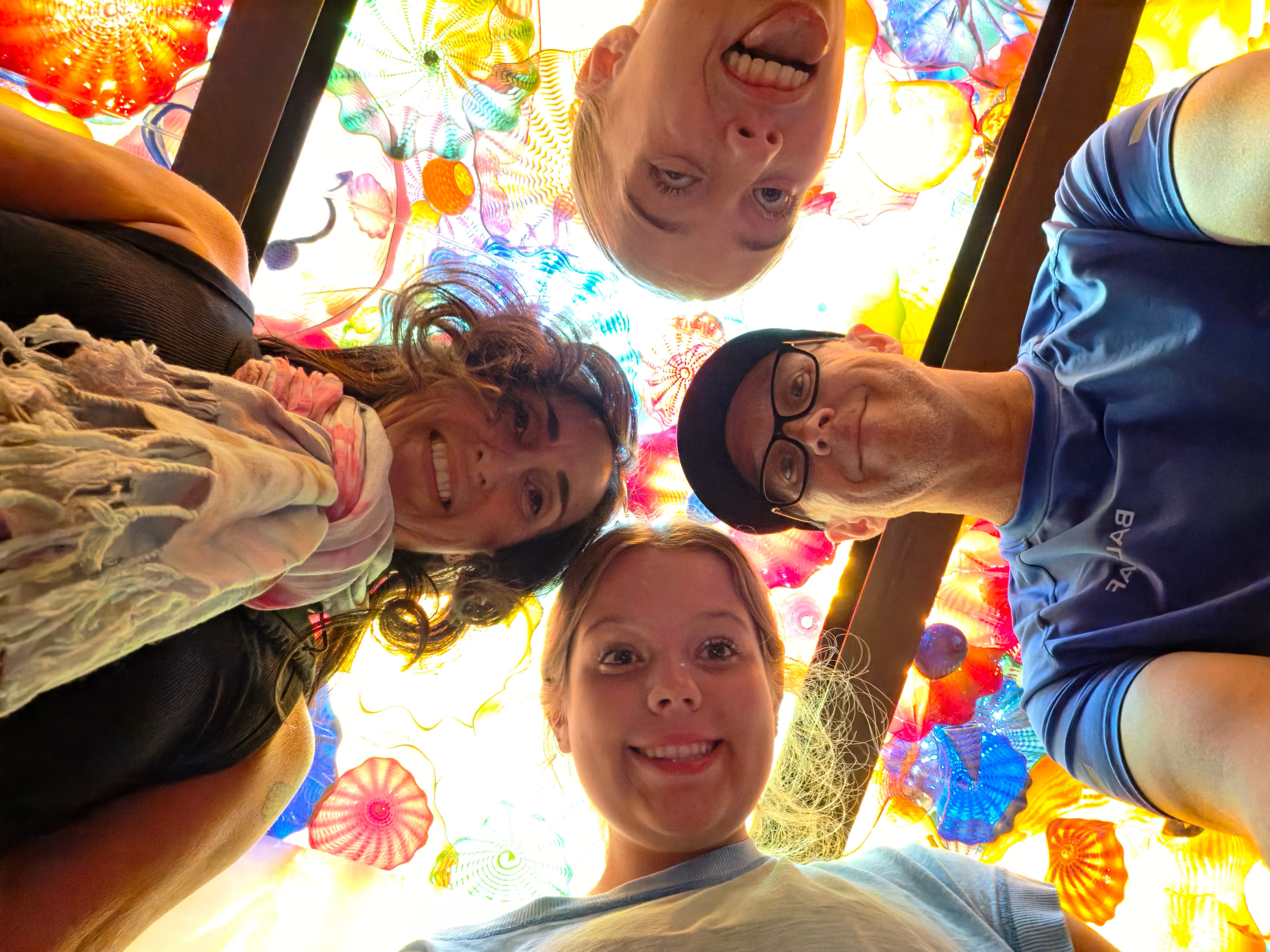
That realization helped me understand why the empty stands at my high school tennis matches remained in my memory. My parents said work prevented them from attending, and I understood. They worked hard and carried responsibilities I could not completely appreciate as a teenager. I did not believe their absence meant they did not love me. Still, I noticed. A child can understand the explanation and remain disappointed. You still glance toward the stands. You still hope someone will appear. You still remember when no one does.
When my daughters became involved in sports, performances, school activities, and the countless commitments of growing up, I tried to attend as much as I could. Not every game or activity was personally fascinating. That was not the point. The point was allowing them to look into the crowd and see someone who had come because their lives mattered. A lesson I had learned through absence became a value I tried to practice through presence.
One memory from those years still stands out clearly. When Natalie turned sixteen, we decided to celebrate with a cruise. Under ordinary circumstances, I might have taken the girls on another adventure and assumed their mother would celebrate with them separately. Throughout the years, my former wife had been gracious about allowing me to travel with them, and those trips had become one of the ways I connected with my daughters. Sixteen felt different. It was an important birthday, and I did not feel right asking a mother who had devoted so much of herself to our daughters to remain home while one of them crossed that threshold.
So we asked a different question.
What if she came too?
Natalie, Annabelle, and their mother shared one cabin. Paula and I shared another. Together, the five of us spent a week on the ship, not attempting to recreate the family that existed before the divorce, but honoring the family that continued afterward.
Years earlier, I could not have imagined a trip like that. The younger version of me understood family through recognizable structures. Married or divorced. Together or apart. Success or failure. I liked categories that made life easier to explain. Divorce seemed to end one category, and I assumed everyone was expected to retreat into separate ones.
Life had become more nuanced than that.
The marriage had ended, but our shared love for our daughters had not. Their mother remained fiercely dedicated to them. I remained their father. Paula entered their lives with generosity and respect. Nobody needed to pretend the past had been different, and nobody needed to surrender a place in the present. We only needed to remember why we were there.
We were there for Natalie.
Looking around the ship, I recognized how far my understanding of family had traveled. As a child, I wondered whether family was defined by biology. As a young adult, I connected it to approval, permanence, and recognizable roles. During the divorce, I feared that changing the structure meant destroying the family. On that cruise, the answer seemed obvious. The structure had changed, but the people who loved our daughters were still capable of standing beside one another.
Everyone had shown up. Natalie did not have to choose between her parents, between the past and present, or between one version of family and another. She was surrounded by people who loved her enough to set aside whatever might have made the arrangement unusual or uncomfortable.
That may be one of the greatest gifts adults can offer children after a family changes: the freedom to keep loving everyone.
Standing in My Corner
As meaningful as those experiences were, the clearest example of family showing up came during one of the most painful periods of my life. After I left the family business, my parents sued me. Even now, writing those words feels strange. The legal conflict reopened almost every question I had spent years trying to answer. Was I good if my parents believed I had betrayed them? Was I still their son if they treated me as an opponent? Had trusting myself made me selfish, disloyal, or ungrateful?
The lawsuit hurt for many reasons, but the deepest pain came from knowing who stood on the other side. These were the people who raised me, the people whose approval had shaped much of my identity, and the people I never imagined facing through lawyers and legal documents. I had already experienced their reaction to my divorce, but the lawsuit made the conflict impossible to minimize or explain away. They were no longer merely disappointed in me. They were taking action against me.
At one point, Paula went with me to their office to confront them. To many people, that may not sound extraordinary. To me, it was almost disorienting.
Throughout my life, I had become the person who handled things. I solved problems, absorbed pressure, fulfilled responsibilities, and found a way forward. The quiet adopted child learned how to adapt. The son seeking approval learned how to fulfill expectations. The employee learned how to carry responsibility. The husband learned how to maintain stability. Even when surrounded by people, I often experienced difficult decisions as something I ultimately carried alone.
That day was different. Paula did not send encouragement from a safe distance or wait at home to hear how the conversation ended. She entered the room with me.
Her years as a chaplain, grief counselor, and family crisis counselor had taught her how to remain present when situations became painful and complicated. She understood conflict, loss, family systems, and the strange ways people behave when grief and fear become tangled together. Yet professional experience alone did not explain why her presence mattered.
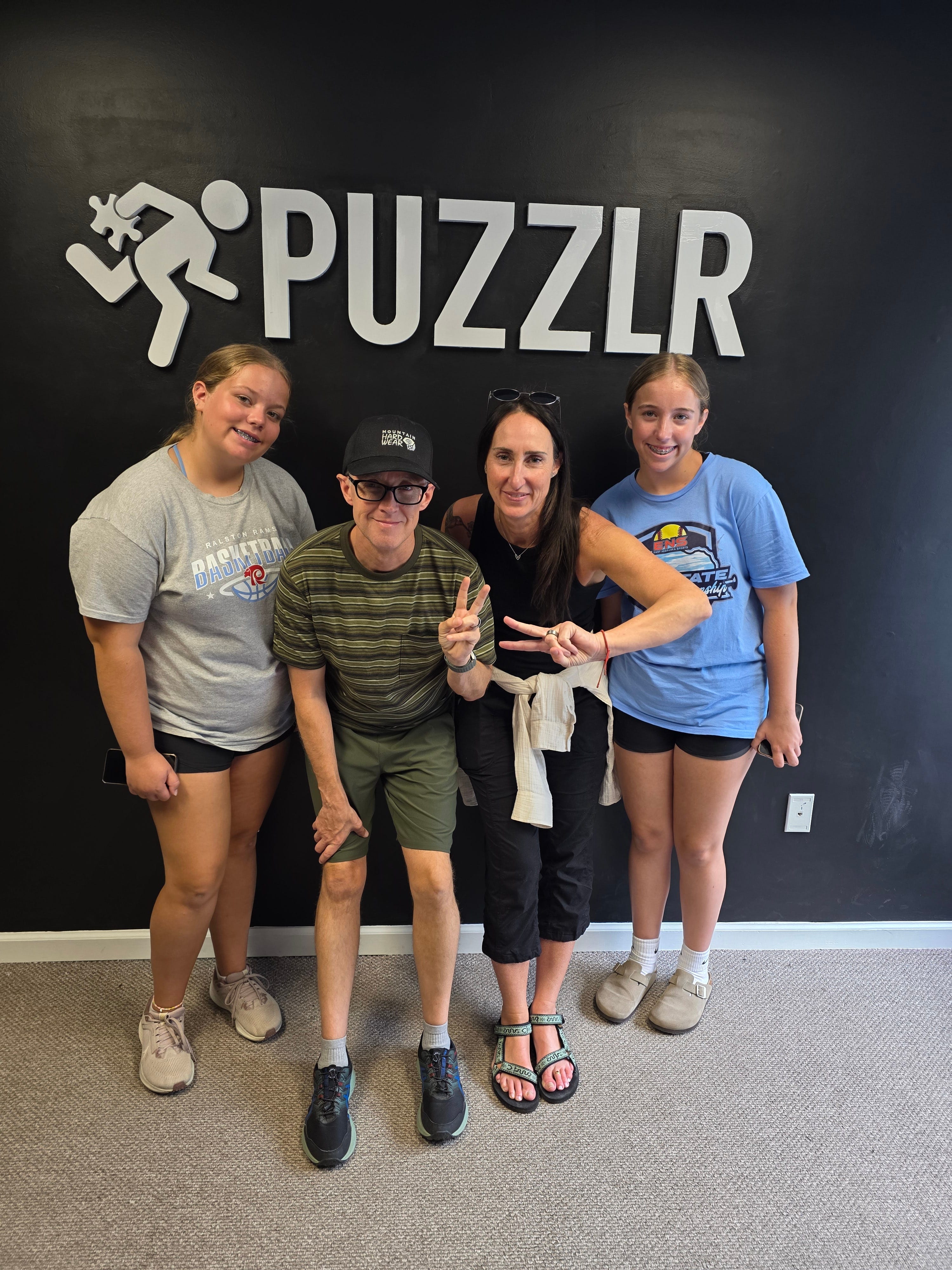
She was there because I mattered to her.
She was willing to stand beside me in a room filled with history, anger, disappointment, and unresolved family pain, even though none of it originated with her. She did not need me to be perfect, persuasive, or approved of before deciding I deserved support. She did not need the situation to become comfortable before entering it. She simply refused to let me face it alone.
For perhaps the first time, I understood what it meant for someone to have my back without first requiring me to prove I deserved it. Earlier in life, I had confused family loyalty with obedience. I believed loyalty meant staying inside the expected role, preserving the structure, and avoiding choices that disappointed the people around me. Paula showed me another kind of loyalty. Sometimes loyalty means standing beside someone while that person tells the truth, even when the truth disrupts the structure everyone else wants to preserve.
There are different kinds of showing up. There is showing up for vacations, birthdays, bicycle rides, school concerts, sporting events, graduations, and road trips. Then there is showing up when life hurts, when relationships fracture, when the room becomes uncomfortable, and when there is nothing to gain by walking through the door.
That second kind tells you who is willing to stand in your corner.
The Thread I Had Been Searching For
Looking back now, I can see this lesson appearing throughout my life, although I did not always possess the language to recognize it. As a child, I sat through family gatherings and listened as people described inherited traits, familiar expressions, shared personalities, and stories that connected one generation to another. Everyone around me seemed linked by invisible threads stretching backward through time.
I remember wondering where my thread was.
I loved the family raising me, but I sensed that part of my story had begun somewhere else. I searched adoption records because I believed family might be found in biology and history. Finding Helen and later Michael answered real and important questions. I discovered where parts of me came from. I found characteristics, attitudes, and pieces of personality that suddenly had a visible history. Biology mattered. Origin mattered. Those discoveries gave me something I had wanted for decades.
They did not answer every question about belonging.
I looked for family through marriage too. My former wife’s family welcomed me generously and showed me what a large, connected family could look like. My former wife and I built a home, raised two daughters, and created years of shared history. When the marriage ended, I feared that changing its structure meant I had failed not only as a husband, but as a person. Over time, I learned that a relationship can end without erasing its meaning. The cruise for Natalie’s sixteenth birthday demonstrated that the marriage had ended while the family continued in another form.
I also looked for family through approval. For years, I believed belonging was something I earned by being responsible, useful, loyal, successful, and easy to understand. When approval disappeared, I had to decide whether I could still trust myself. Being seen helped me recognize the person beneath the roles. Loving Paula and joining her family taught me something beyond recognition. They made room for the whole person without requiring him to become easier to categorize.
I learned that family is not only the people who arrive during emergencies. Family enters another person’s joy. Paula rode across Nebraska because cycling mattered to her mother. We loaded several generations and a small dog into a van because Grants Pass mattered to her mother. We invited Helen because the walls between the separate families in my life no longer seemed important. My former wife, Paula, and I boarded a ship together because my daughters mattered to all of us. Paula walked into my parents’ office beside me because I mattered to her.
None of those relationships fit neatly into the definition of family I inherited as a child. Adoption had already complicated biology. Finding my biological parents complicated origin. Divorce complicated permanence. Remarriage complicated structure. Our daughters, sons, parents, former spouses, new spouses, friends, and extended families created connections that could not be explained through one last name, one household, or one family tree.
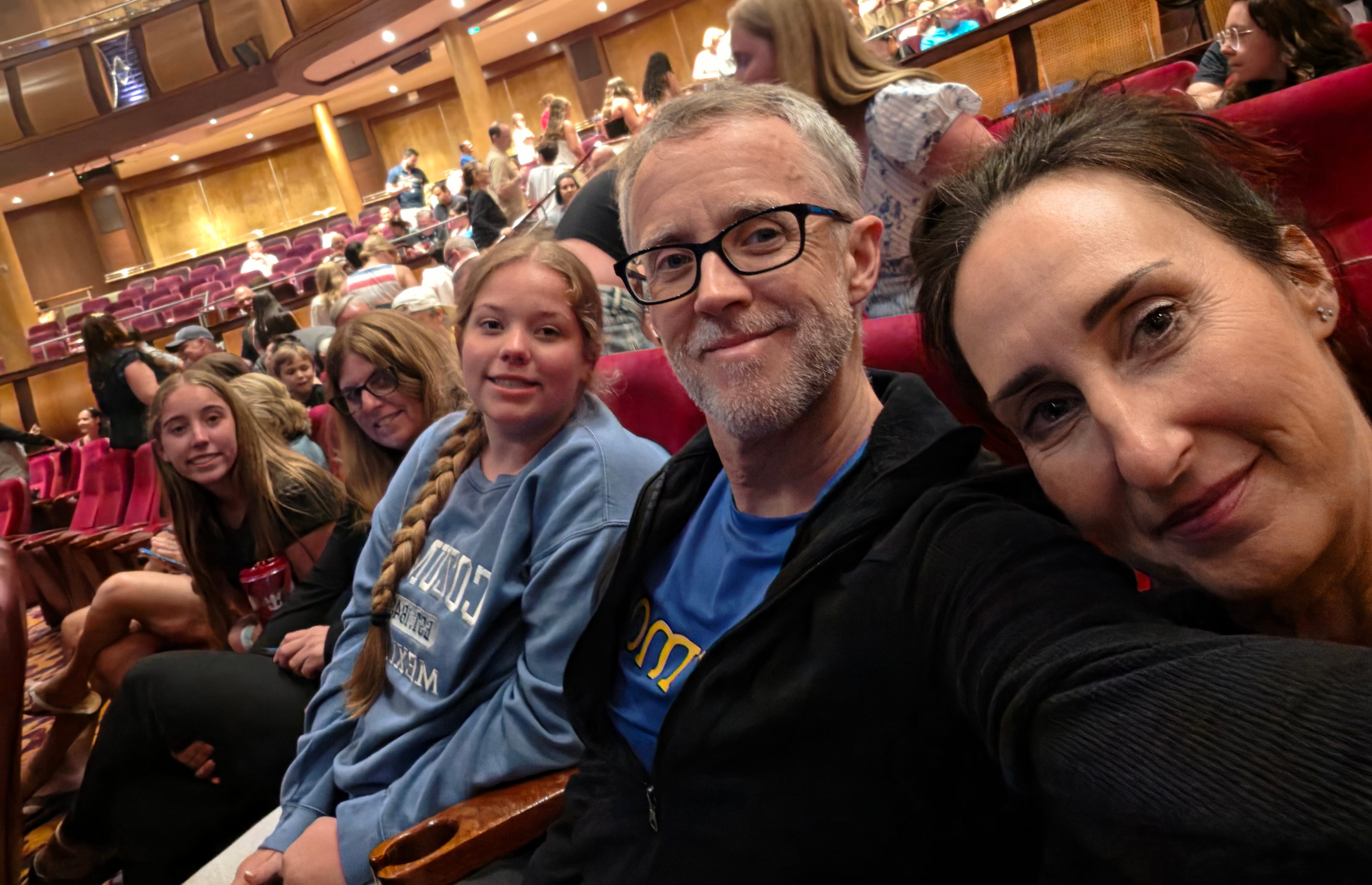
Perhaps that was the lesson I had been moving toward from the beginning. Family was never as simple as the adoption books on my childhood shelf suggested. It was not merely the people who brought me home, the people who gave me life, the person I married, or the children who carried pieces of me forward. All of them were part of the story, but none of them alone could contain its entire meaning.
Family became visible through presence. It was the people willing to enter my joy and allow me into theirs. It was the people who stood beside me in pain, supported the people I loved, made room for my differences, respected the person I was becoming, and continued showing up even after relationships changed shape.
For much of my life, I believed family was something a person inherited. Later, I thought it was something a person searched for and eventually found. What I understand now is that family is also something people build together. They build it through ordinary acts of presence, shared experiences, difficult conversations, uncomfortable bicycle seats, crowded vans, birthday cruises, and the decision not to let someone enter a painful room alone.
As a child, I wondered where the invisible thread connected me to everyone else.
Looking back now, I think I had been searching for only one kind of thread. Biology was part of it. History was part of it. Adoption was part of it. Helen, Michael, my adoptive parents, my former wife, my daughters, Paula, and her family were all part of it.
But some of the strongest threads in my life were not inherited.
They were built.
I spent much of my life searching for the family to which I belonged. Somewhere along the way, I stopped searching long enough to look around.
They were already there.