

For most of my life, I answered to a name I did not choose.
There is nothing unusual about that.
Most of us inherit our names long before we understand their meaning. We inherit family traditions, expectations, values, stories, and identities in much the same way. They are handed to us before we are old enough to question them.
For decades, I rarely thought about it.
I was Jeff Zdan.
That was simply who I was.
At least, that was who I believed I was.
The name carried a history. It connected me to the family who raised me, the business I helped build, the schools I attended, the community where I volunteered, and the life I spent decades constructing. There were many things I appreciated about that life. There were lessons I valued, experiences that shaped me, and relationships that mattered deeply.
But over time, something began to shift.
Not all at once.
Slowly.
Quietly.
Like a river changing course one inch at a time.
The questions began arriving years before the name change ever occurred.
Some appeared during the search for my biological family.
Some appeared during my divorce.
Others emerged as I examined my relationship with work, success, duty, and family.
And some arrived during long walks, long bike rides, and long drives when I finally allowed myself enough silence to hear my own thoughts.
The questions were remarkably simple.
Am I living the life I actually want?
Or am I living the life I inherited?
The older I became, the harder those questions were to ignore.

For much of my adult life, I measured myself by how useful I was.
Useful employees get promoted.
Useful business partners become indispensable.
Useful fathers show up.
Useful volunteers help.
Useful people solve problems.
I became very good at being useful.
If someone needed assistance, I stepped forward.
If there was a challenge, I tried to solve it.
If there was weight to carry, I often volunteered to carry it.
People compliment reliability.
They respect responsibility.
They reward hard work.
And there is absolutely nothing wrong with those qualities.
The difficulty comes when those qualities begin replacing identity.
Somewhere along the way, I stopped asking what brought me alive.
I simply asked what needed to be done.
The distinction seems small.
It is not.
One question builds a life.
The other maintains one.
When I look back now, I realize I was successful by many traditional measures.
I had built a career.
I earned degrees.
I helped build a thriving company.
I was involved in my community.
I served on a school board.
I taught cycling classes.
I raised two incredible daughters.
I checked many of the boxes society encourages us to pursue.
And yet there was a persistent feeling that something remained unfinished.
Not missing.
Unfinished.
The feeling reminded me of Chapter 2 when I described sensing a disconnect as an adopted child.
Only now the disconnect was different.
It was no longer about where I came from.
It was about where I was going.
I had spent years building a life.
The question had become whether the life I built still belonged to me.
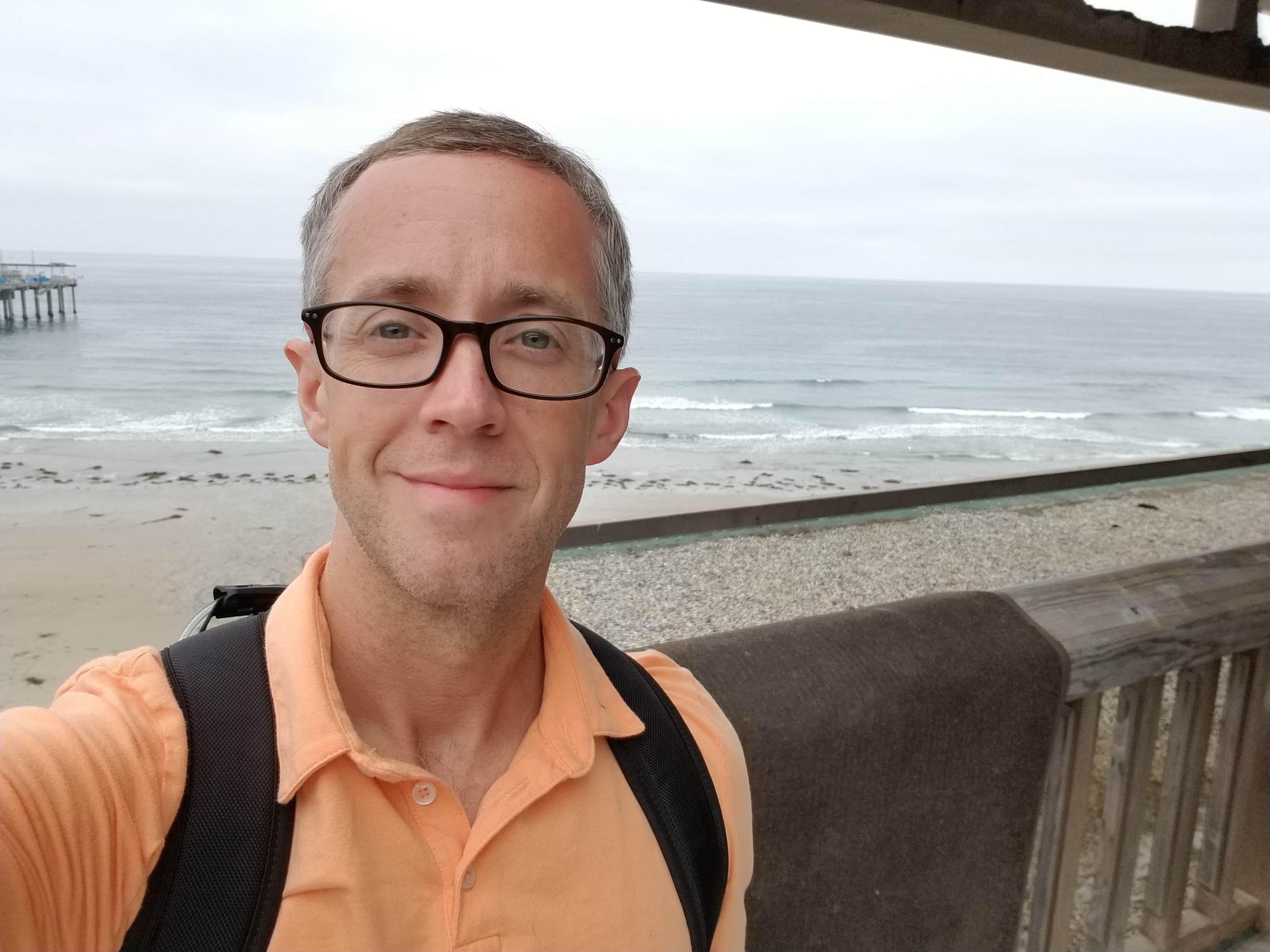
One of the most difficult things a person can do is admit that a life which appears successful from the outside no longer feels right on the inside.
It feels selfish.
Ungrateful.
Confusing.
Especially when nothing is obviously wrong.
Most major transitions are not caused by dramatic disasters.
Sometimes they happen because a quiet voice keeps asking the same question.
“Is this it?”
That question followed me for years.
Not because I hated my life.
I did not.
Not because I was unhappy every day.
I was not.
The problem was that I increasingly felt like I was living according to expectations I had never consciously chosen.
Some came from family.
Some came from culture.
Some came from habit.
Some came from fear.
Together, they formed a version of success that looked impressive but felt incomplete.
When I eventually left the family business, a great deal happened in a short period of time.
There was relief.
There was uncertainty.
There was excitement.
There was grief.
There was conflict.
There were legal letters.
A lawsuit.
Questions.
Doubts.
Second guessing.
Through all of it, I kept returning to a realization that was becoming increasingly difficult to ignore.
I did not want to spend the rest of my life reacting.
I wanted to begin creating.
I wanted to stop defining myself by what I was responsible for and start defining myself by what mattered to me.
That may sound like a subtle distinction.
For me, it changed everything.

The name Joyous Journey did not appear overnight.
People occasionally ask whether my daughters suggested it.
They did not.
Others ask whether it came from finding my biological family.
That is not quite right either.
The name emerged from years of reflection.
Years of questioning.
Years of asking who I wanted to become.
The word Joyous represented a choice.
Not happiness.
Joy.
There is a difference.
Happiness often depends on circumstances.
Joy can exist alongside difficulty.
Joy can coexist with grief.
Joy can survive uncertainty.
Joy can emerge from curiosity, service, learning, relationships, movement, creativity, adventure, and growth.
I wanted more of that.
Not because life had become easy.
Because life was too short not to pursue it intentionally.
The word Journey represented something else.
For years I treated life as a series of destinations.
Graduate.
Get the job.
Grow the business.
Earn the income.
Reach the goal.
Then move on to the next goal.
The cycle never ended.
Every destination revealed another destination beyond it.
Journey reminded me that life is not simply a collection of accomplishments.
It is an experience.
The value is not found only at the finish line.
The value exists along the path.
In the people you meet.
The lessons you learn.
The mistakes you survive.
The mountains you climb.
The conversations you remember.
The stories you collect.
I wanted a name that reflected that truth.
The day the judge approved my name change, something interesting happened.
Nothing.
The sky did not open.
Music did not play.
My life did not magically transform.
The next morning I still had responsibilities.
I still had challenges.
I still had questions.
But something inside me felt different.
The decision represented ownership.
For the first time in my life, my name reflected a conscious choice rather than an inherited circumstance.
I was no longer waiting for someone else to define who I should become.
I was defining it myself.
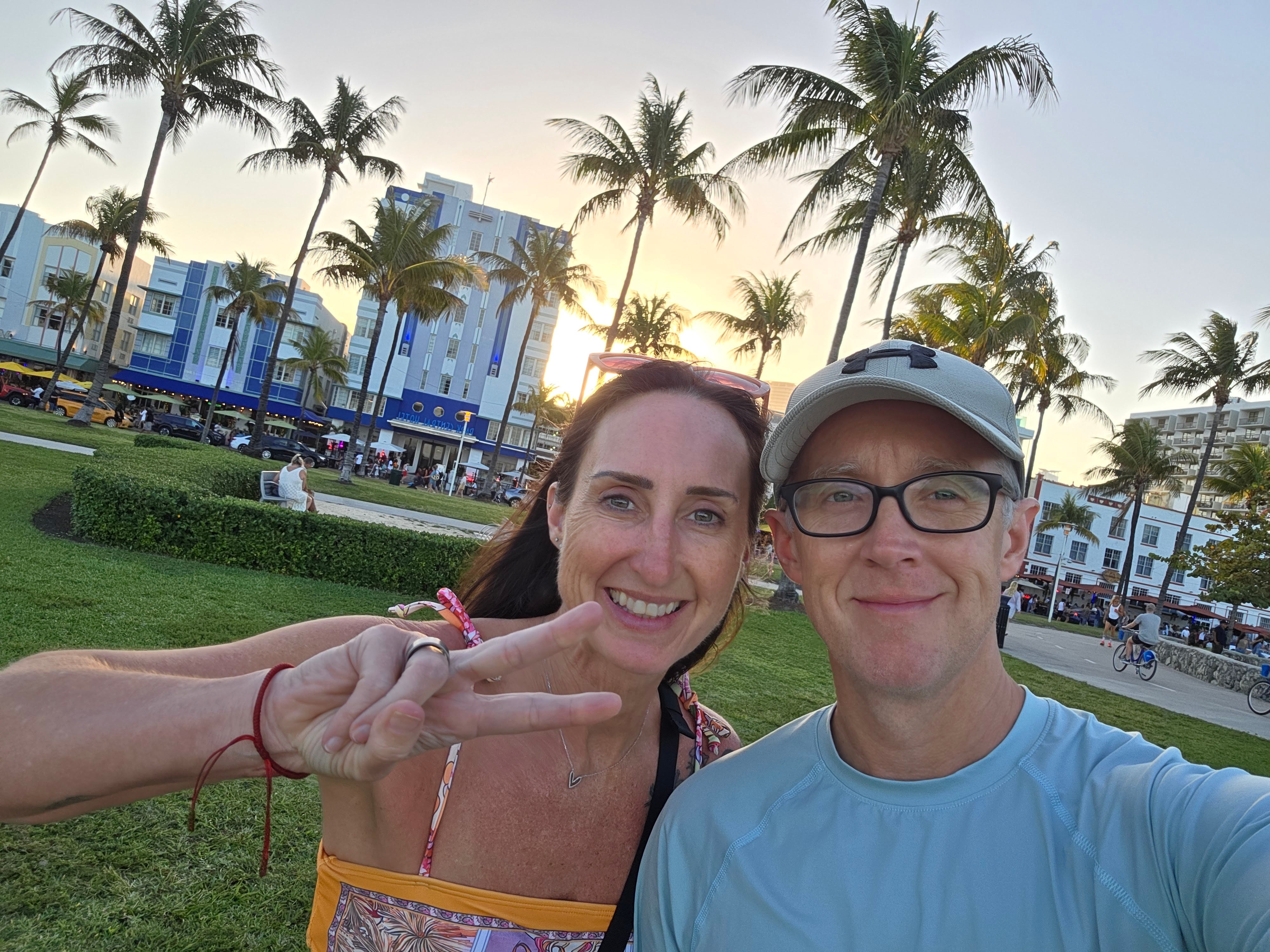
People often assume the name change was the transformation.
It was not.
The transformation had already been happening for years.
The name simply made it visible.
In many ways, it was a declaration.
A statement.
A promise.
A reminder.
Not about who I had been.
About who I intended to become.
And that intention eventually led me to another idea.
An idea that would fundamentally change how I approached time, adventure, purpose, and success.
An idea I would eventually call Joyopoly.
And that story comes next. 🌈📖
Absolutely inspiring and helpful.