

I have always lived by lists.
Lists help me organize what needs to be done, remember what might otherwise be forgotten, and turn ideas into something tangible. I keep lists for work, travel, projects, writing, household responsibilities, and almost every other part of my life. If something matters, there is a good chance I have written it down somewhere.
For years, almost everything on those lists represented an obligation. There were customers to contact, projects to complete, appointments to schedule, bills to pay, problems to solve, and commitments to remember. Crossing something off brought a small sense of satisfaction, but the list was never truly completed. As soon as one responsibility disappeared, another took its place.
That is the nature of a to-do list.
It tells us what requires our attention.
At some point, I began to wonder whether I needed another kind of list. I did not need more reminders of what other people expected from me or what had to be completed before the end of the day. I needed a reminder of the things I wanted to remain present in my life.
I needed to know what brought me joy.
The question seemed simple, but when I first began thinking about it, I realized how rarely I had asked it. I knew how to identify what was urgent, practical, or responsible. I knew how to measure progress and complete projects. I was much less practiced at noticing which experiences left me feeling energized, connected, curious, or completely alive.
So I began paying attention.
I noticed that some activities could leave me physically exhausted and still somehow restore me. I could finish a long bicycle ride, a difficult hike, or an early-morning swim with tired muscles but a clearer mind. Teaching a cycling class required energy, but I usually left with more energy than I had brought into the room. Exploring a museum could occupy hours without feeling like time had passed at all.
Other experiences created a quieter kind of joy. Reading something that changed how I understood the world. Taking a photograph that captured a detail most people might have walked past. Organizing a space until it felt peaceful. Solving a difficult problem for someone. Helping another person move forward in a part of life where that person had been stuck.
I started writing these things down.
What Belongs on the List
The Joy List did not emerge fully formed. It began with whatever came to mind, then expanded as I learned to recognize joy in more places.
Travel was there immediately, along with hiking, cycling, backpacking, swimming, photography, museums, and exploring unfamiliar cities. Writing eventually appeared, along with poetry, creative projects, improv comedy, research, reading, listening to podcasts, mentoring, volunteering, learning about history, cooking, and investing.
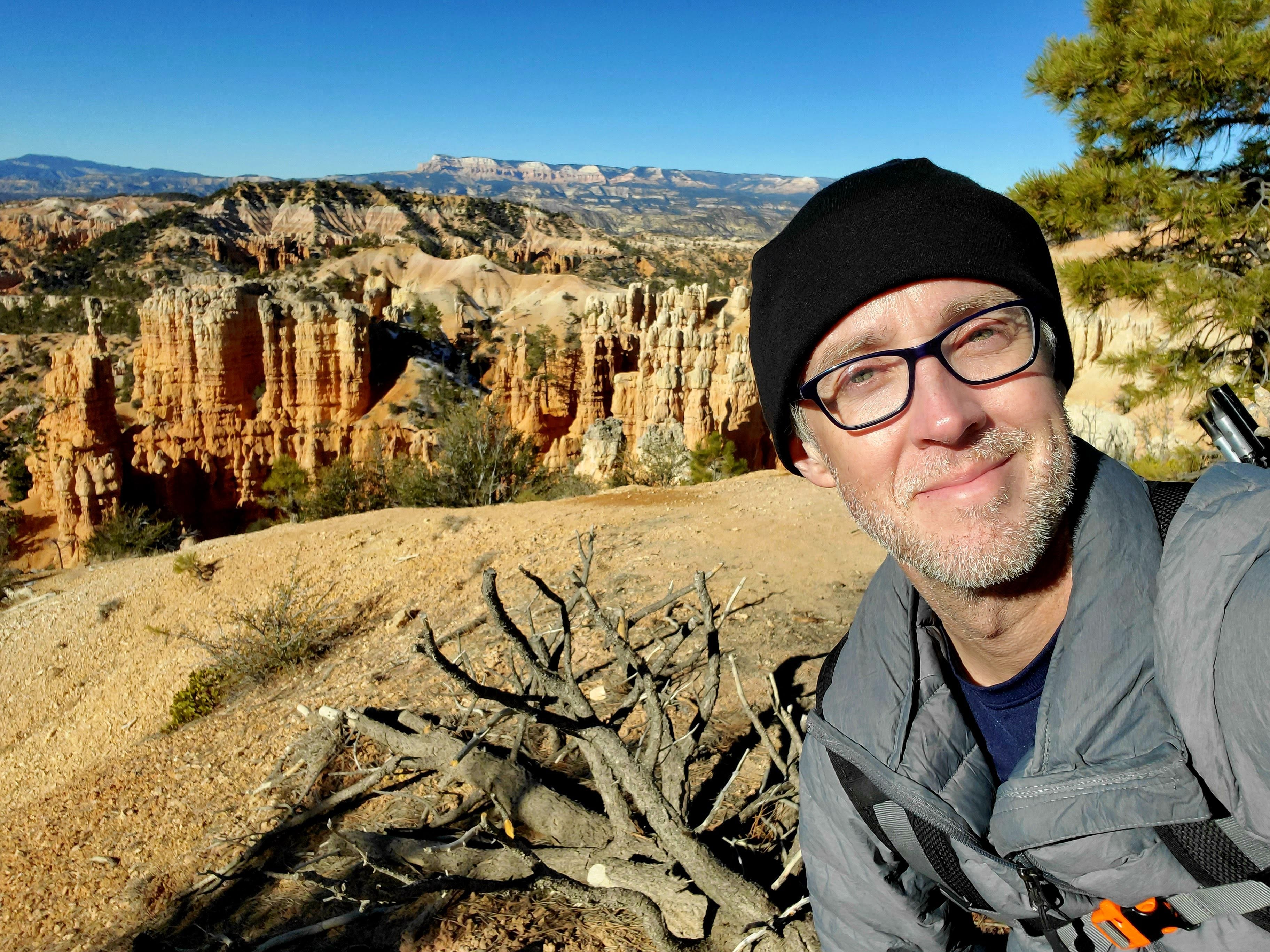
Teaching belonged on the list. So did helping someone with a fitness journey, sharing what I had learned, and solving technical problems that seemed impossible when they first arrived. Spending time in nature belonged there, especially among cacti, dense forests, mushrooms, alpine lakes, mountain peaks, or on a trail where the view changed with every turn.
Meaningful conversations belonged on the list. So did friendships, time with Paula, and experiences with my daughters.
Not everything on the list was exciting. Not everything required travel, exceptional talent, or a large investment of money. Some entries were ordinary activities that became meaningful because of the attention I brought to them.
That was an important discovery.
Joy did not require spectacle.
It could be found in movement, service, conversation, learning, creativity, challenge, beauty, or simply becoming absorbed in something that mattered to me. Sometimes joy arrived in the middle of an adventure. Other times it appeared during an ordinary day when I stopped moving long enough to notice it.
The list gave those moments names.
Once they had names, they became easier to recognize.
Living From the List
The Joy List is not something I created once and then stored away. I return to it. I revise it as I learn more about myself. I add new activities, reconsider old ones, and occasionally recognize that something which once brought me joy no longer does.
More importantly, I try to live from it.
At the beginning of a day, I do not expect every hour to be joyful. Life still contains responsibilities, interruptions, maintenance, and work that simply needs to be done. I am not trying to avoid those realities. I am trying to prevent them from becoming the only realities.
I want at least part of each day to connect to something on the list.
That might mean teaching a class, taking a photograph, reading, writing, swimming, riding a bike, spending time with someone I care about, or planning an adventure. It might mean researching an unfamiliar topic or helping another person solve a problem. It might be something as simple as choosing a route that allows me to see a part of the city I have never noticed before.
The duration matters less than the intention.
Some days offer hours. Other days offer minutes. The purpose is not to complete the entire list or manufacture constant happiness. The purpose is to avoid reaching the end of a day, a month, or a year and realizing I gave all my attention to things that demanded it and none to the things that gave something back.
A to-do list helps me manage my life.
The Joy List helps me experience it.
The Shape of Persistence
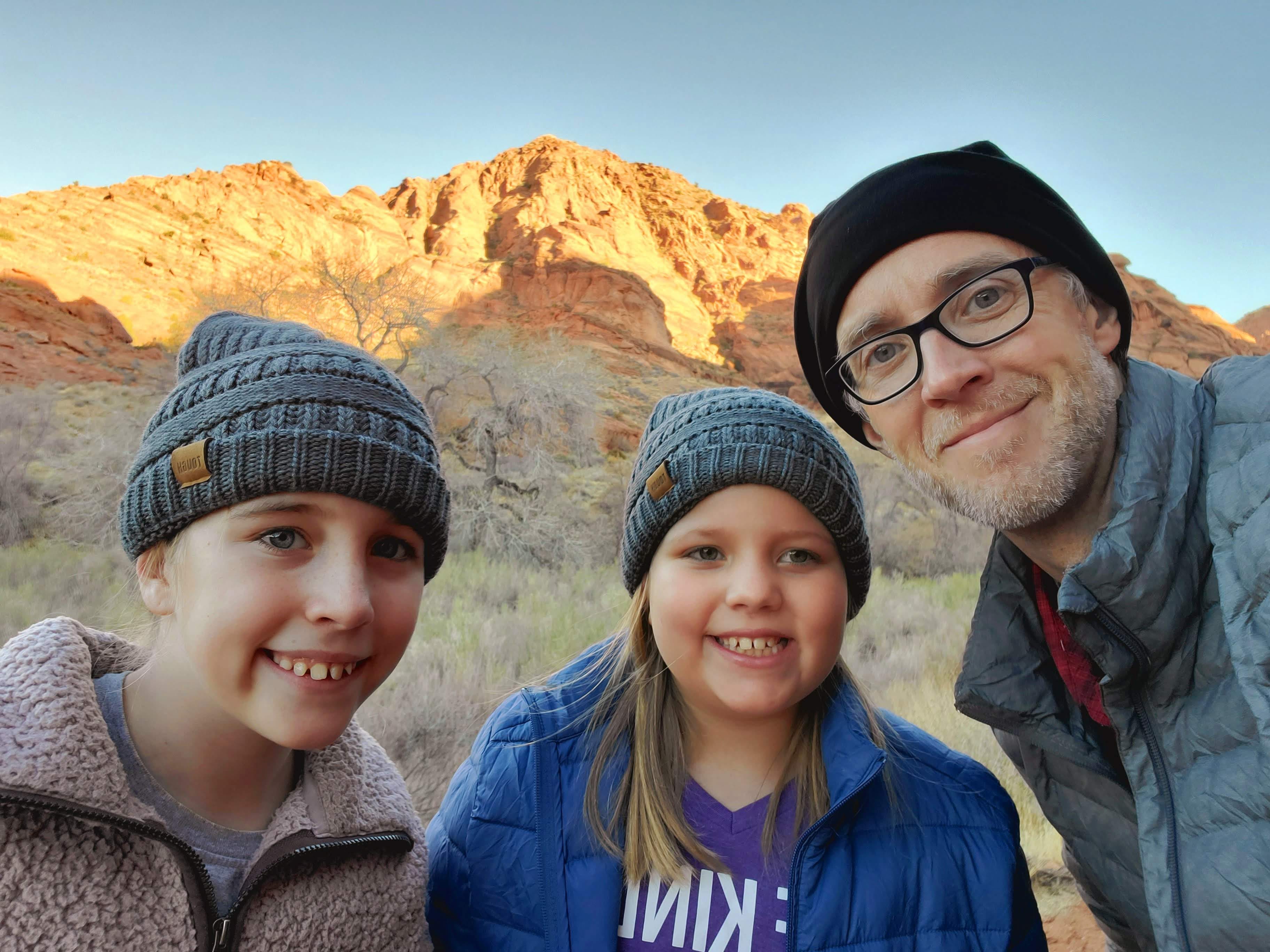
One holiday season, Natalie, Annabelle, and I traveled to southern Utah. Instead of filling the holiday with material gifts, I wanted to give the girls another experience, something we could live together and perhaps remember long after the objects from that year had disappeared.
We stayed in a tiny house and used it as our base camp while exploring the landscapes around us. It gave us a place to rest, warm up, talk about the day, and prepare for the next adventure. The tiny house was part of the experience, but it was never the destination.
Each morning, we climbed into the vehicle and headed toward another place to explore. Winter gave southern Utah a different appearance from the images most people see. Snow and ice appeared among the red and orange rock formations, transforming the desert into something quieter, colder, and less predictable.
At Zion National Park, we decided to hike to Scout Lookout.
The trail climbs more than a thousand feet above the canyon floor through a demanding series of switchbacks. It is a hike many adults struggle to complete, and the girls were young. They were capable, but capability does not prevent a person from complaining when a mountain refuses to become any shorter.
They complained a lot.
They wanted to know how much farther we had to go, whether we were almost there, when we could stop again, and why we had decided to do this in the first place. Their questions were reasonable. The trail was steep, their legs were tired, and every switchback seemed to reveal another stretch of climbing.
I could have turned us around. There would have been no shame in doing so. We had already spent time outdoors, experienced part of the trail, and seen beautiful views.
But I also knew the girls were capable of more than they believed in that moment.
I did not want to drag them up the mountain simply to reach an overlook. I wanted them to experience the process of moving through something difficult without immediately surrendering to the discomfort. That meant listening when they needed to complain, stopping when they needed to rest, and encouraging them when the next section of trail seemed impossible.
Then we would move again.
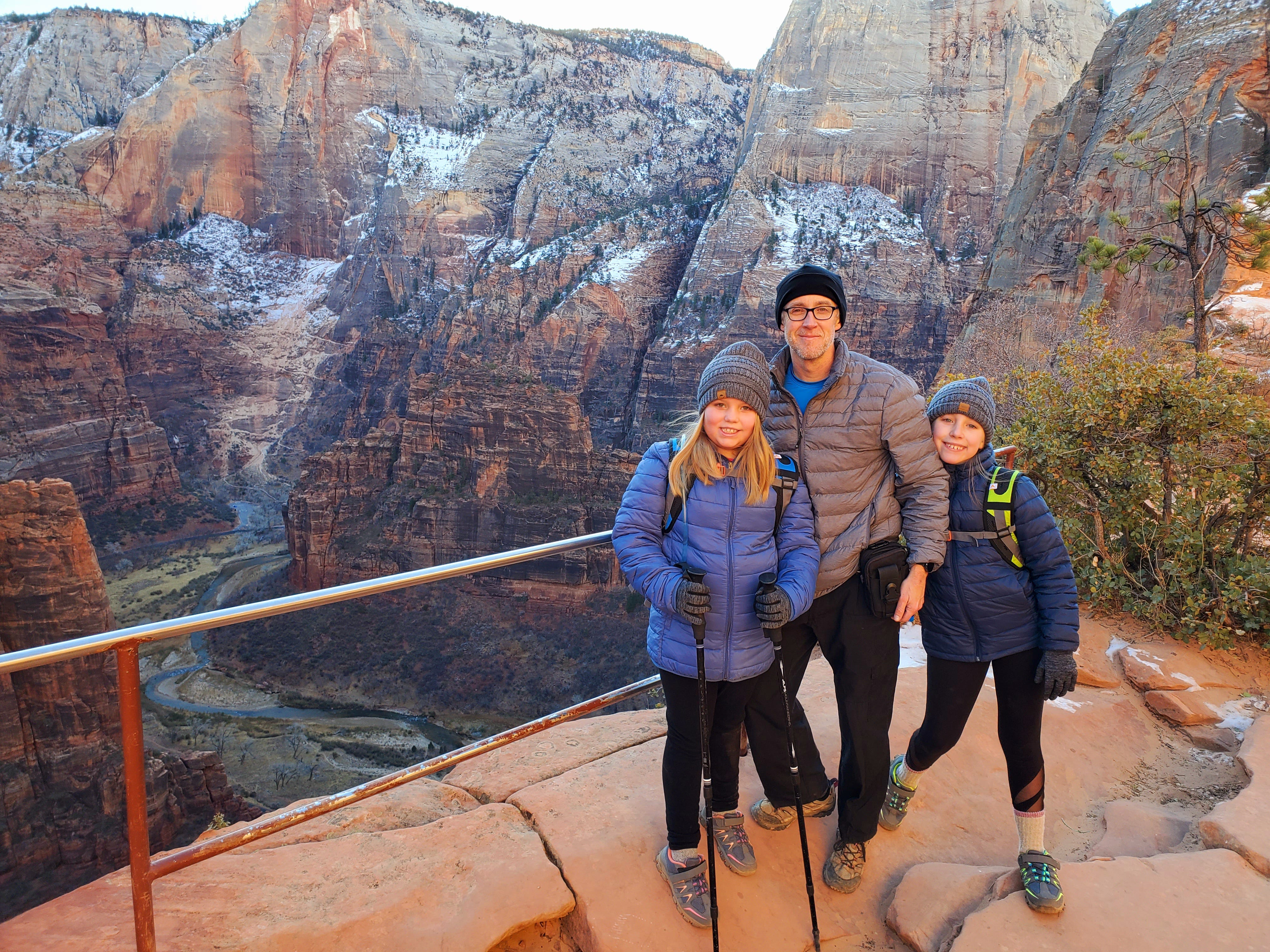
We continued slowly, putting one foot in front of the other and allowing the mountain to teach the lesson at its own pace. There was no dramatic burst of strength that carried us to the top. We made it the way most difficult journeys are completed: through patience, persistence, frequent pauses, and the decision to take one more step.
Eventually, the switchbacks ended. The trail leveled, and the canyon opened beneath us. The landscape stretched outward in every direction, immense enough to make the effort feel both significant and small.
The girls were still tired when we arrived. Reaching the overlook did not erase the difficulty of the climb. What changed was their understanding of it. They could look back at where they had started and recognize what they had done.
They had reached Scout Lookout.
More importantly, they had discovered that the voice saying, “I cannot do this,” did not always know the truth.
The Joy Beyond Comfort
I have thought about that hike many times because it helped me understand an important truth about joy.
Joy is not the same as comfort.
For much of my life, I had been surrounded by the opposite message. Comfort was presented as the reward for doing everything correctly. Work hard enough, earn enough, accumulate enough, and eventually life would become easier. The American Dream seemed to promise a protected existence with a large house, reliable cars, financial security, convenient surroundings, and as few disruptions as possible.
Comfort was presented as the destination.
I began to see it differently.
Comfort can become a poison.
It does not usually arrive looking dangerous. It arrives disguised as success. It tells us we have earned the right to stop reaching, questioning, risking, and changing. It encourages us to arrange our lives so carefully that nothing unexpected can enter. Over time, comfort can narrow the world around us until we mistake familiarity for happiness and predictability for fulfillment.
I do not want a life built entirely around avoiding difficulty.
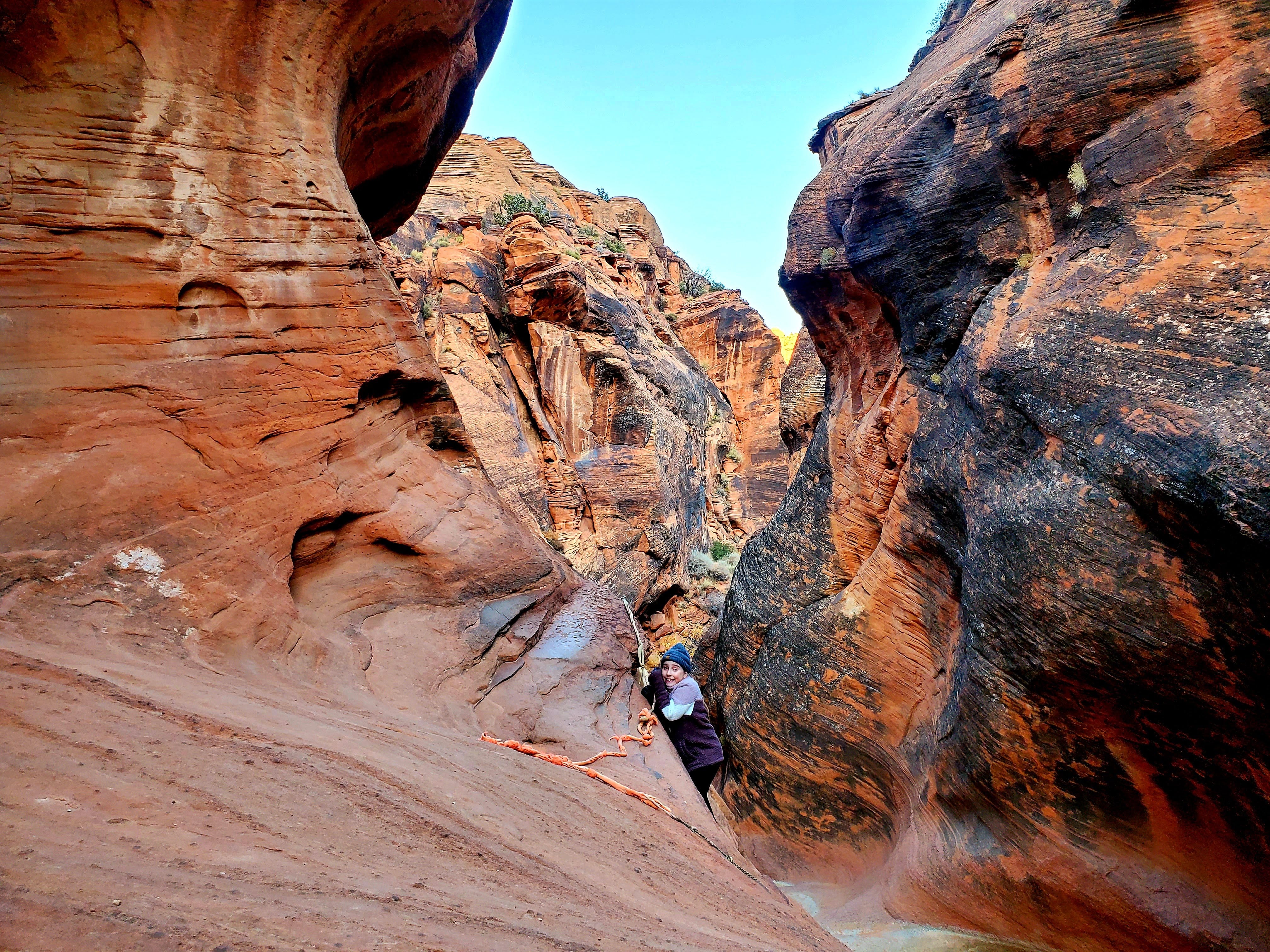
I do not want comfort to decide where I go, what I attempt, which questions I ask, or who I am willing to become. I do not want to spend my life protecting myself from the very experiences that might help me feel most alive.
When I looked closely at my Joy List, I noticed something surprising. Many of its entries were difficult, uncomfortable, or even intimidating. Long-distance swimming can be exhausting. Cycling can be painful. Backpacking is rarely comfortable. Travel involves delays, changing plans, unfamiliar surroundings, and occasionally discovering that the lodging looks nothing like the photographs.
Writing can be uncomfortable because honest stories require me to return to parts of my life I might prefer to leave alone. Relationships require effort. Learning requires admitting that I do not already know the answer. Helping others can mean becoming involved in problems with no simple solution.
None of these things promised comfort.
Yet they consistently produced some of my deepest experiences of joy.
Eventually, I understood why.
The joy was not found in the discomfort itself. The joy was waiting on the other side of it.
It came from accomplishment. It came from growth. It came from facing uncertainty and discovering that I could move through it. It came from pushing beyond the limits I had accepted and finding out that some of those limits had never been real.
At Scout Lookout, the girls did not experience joy during every step of the climb. They were tired. Their legs hurt. They questioned whether they wanted to continue. The joy came when they turned around and saw how far they had climbed.
Accomplishment has a way of changing our relationship with discomfort.
The struggle becomes the story.
The effort becomes the pride.
The challenge becomes the memory.
The person who emerges on the other side is not exactly the same person who began.
That lesson did not end at Scout Lookout.
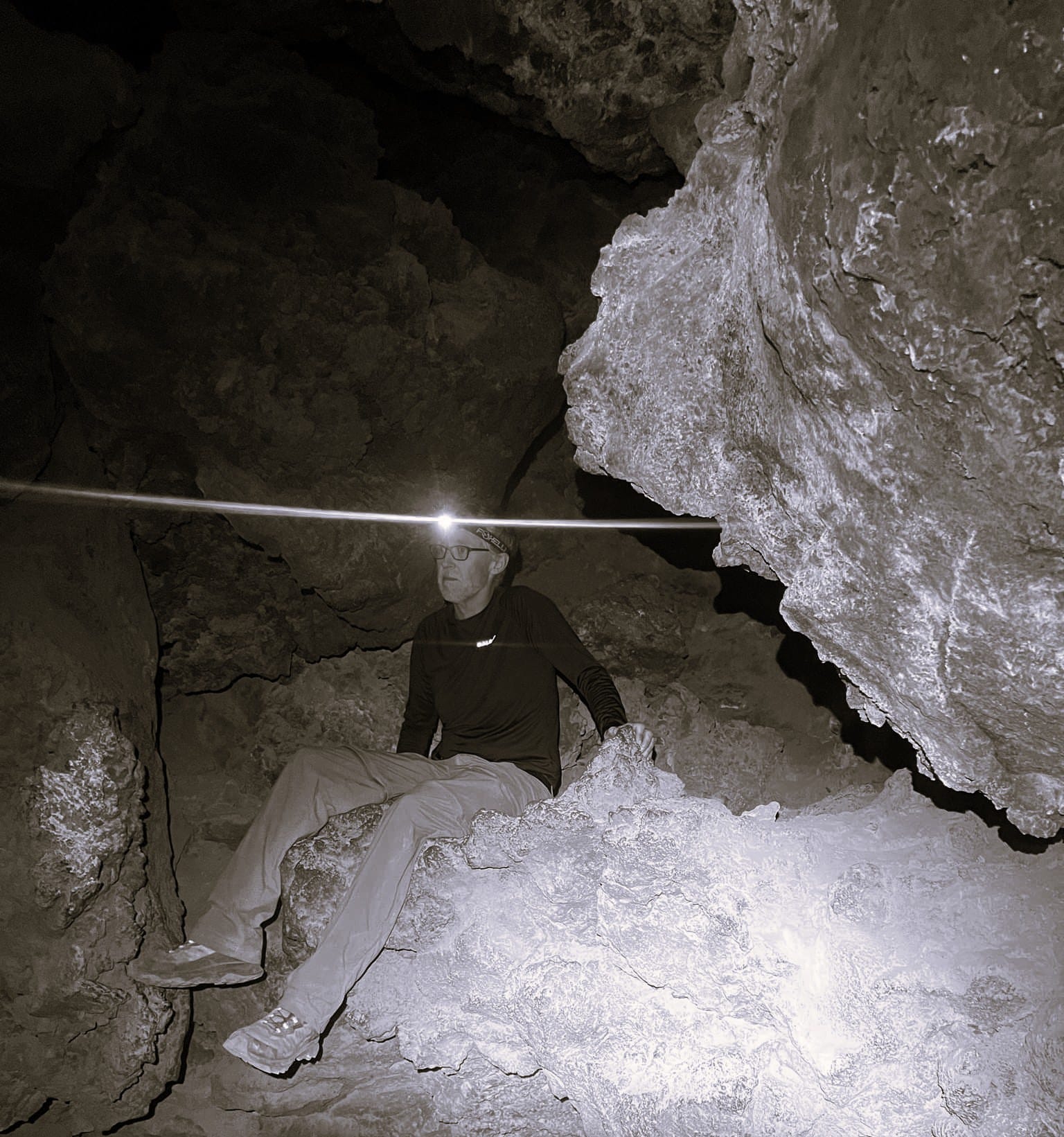
Near St. George, we found ourselves standing at the entrance of a dark lava tube cave.
Into the Darkness
From the outside, the cave looked unremarkable. It was a dark opening in the ground surrounded by rock and sand. The challenge became obvious as soon as we approached the entrance.
Getting inside was not easy. We climbed down through the opening, switched on our headlamps, and stared into the darkness ahead.
The girls were nervous immediately.
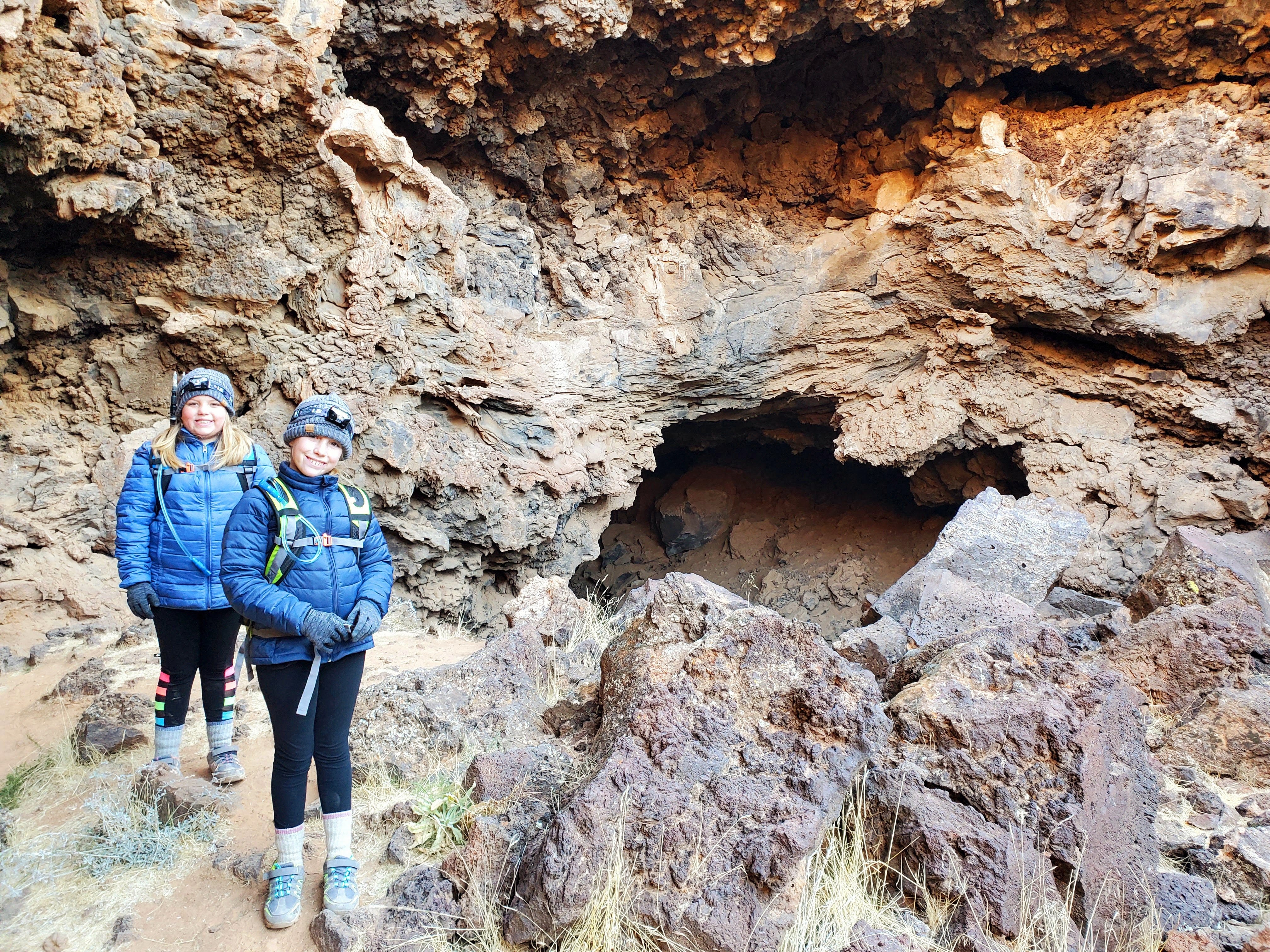
The cave was cold, narrow in places, and completely dark beyond the reach of our lights. Each headlamp illuminated only a small section of the cave, leaving everything beyond it hidden. Every shadow seemed larger than it was. Every sound seemed louder. Before long, Natalie and Annabelle became convinced they could hear bats somewhere deeper inside.
They wanted to turn around.
I understood why.
Most fears sound reasonable when we are standing in the middle of them.
We took our time. We moved slowly, stopped frequently, listened, and talked about whether we should continue. Sometimes we would make it a little farther, hear a sound echo through the cave, and the girls would run back in the direction of the entrance.
More than once, they tripped and skinned their hands and knees. That made everything worse. Now the cave was not only dark and frightening. It had also hurt them.
After the tears and frustration settled, we would gather ourselves and begin moving forward again.
A little farther.
Then a little farther still.
That became the pattern of the experience.
Fear.
Pause.
Courage.
Repeat.
I did not need them to stop being afraid. Courage does not require the absence of fear. I only wanted them to understand that fear did not have to make every decision for them.
We continued deeper into the cave.
The headlamps did not show us the entire path. They showed us only enough to take the next few steps. In some ways, that was another lesson. We often believe we need to see the entire path before we are willing to begin, but life rarely offers that kind of certainty. Sometimes we receive only enough light for the next decision.
Eventually, we made our way all the way through the cave.
When we emerged into the sunlight, the girls were relieved, exhausted, scraped, and proud. I do not know if either of them has any desire to crawl through another lava tube cave. They may never do it again.
But that was never the point.
The lesson was not about caves.
The lesson was about discovering that fear does not always get to make the final decision.
As a parent, I have never wanted to remove every obstacle from my daughters’ path. I want them to know they can overcome obstacles themselves. There is a difference.
If I rescue them from every challenge, they never learn what they are capable of. If I prevent every fall, they never learn how to get back up. If I create a childhood without fear, disappointment, uncertainty, or discomfort, I may protect them for a while, but I also risk sending them into adulthood without the evidence that they can survive those things.
My role is not to eliminate every difficult experience.
My role is to stand beside them while they work through it.
In that cave, the girls knew I had their backs. I would not abandon them in the darkness, but I also would not allow fear to make the decision too quickly. We could stop. We could breathe. We could talk about what frightened them. We could move carefully.
Then we could take another step.
I wanted them to begin collecting evidence about themselves.
Evidence that they could keep climbing when their legs were tired.
Evidence that they could move forward while they were afraid.
Evidence that discomfort did not mean they were incapable.
Evidence that they had done hard things before and could do hard things again.
One day, the obstacles in front of them will be far greater than a mountain trail or a dark cave. I will not always be able to walk beside them with a headlamp. When those moments arrive, I hope these experiences remain somewhere inside them.
I hope they remember what they learned about themselves.
The cave offered something that could never have been purchased, packaged, or reproduced at a tourist attraction. Had we spent the afternoon somewhere safer, easier, and more predictable, the girls might have had a pleasant day. It may have looked much like the day thousands of other families experienced during the holiday break.
Instead, they crawled through a lava tube in the Utah desert.
They faced their fears.
They overcame uncertainty.
They collected scrapes, bruises, confidence, and a story.
Years later, they may remember very little about where we stayed, what we ate, or how far we drove. But I suspect they will remember that cave.
I know I do.
That experience added definition to their childhood. It became part of the story they could tell about where they had been, what they had faced, and what they had discovered about themselves.
That is one of the gifts I have always wanted to give my daughters.
Not a life without discomfort.
A life expanded by their willingness to walk through it.
The Other Side
People generally shy away from being uncomfortable. We seek what is familiar, predictable, convenient, and safe. We often organize our lives around minimizing struggle. We remove obstacles, reduce uncertainty, and convince ourselves that the absence of difficulty is the same as the presence of joy.
It is not.
Comfort asks very little from us. If we remain there long enough, it may also reveal very little about us.
Discomfort introduces us to parts of ourselves that comfort never needs to summon. Persistence. Courage. Resourcefulness. Patience. Humility. Confidence. The willingness to try again after falling.
These qualities are not built by imagining what we might do. They are built by doing the thing that frightens or challenges us and discovering that we can survive the experience.
Looking back, I realized the Joy List was not simply a list of things that made me happy. It was not a collection of easy pleasures or pleasant distractions.
It was a list of things that made me feel alive.
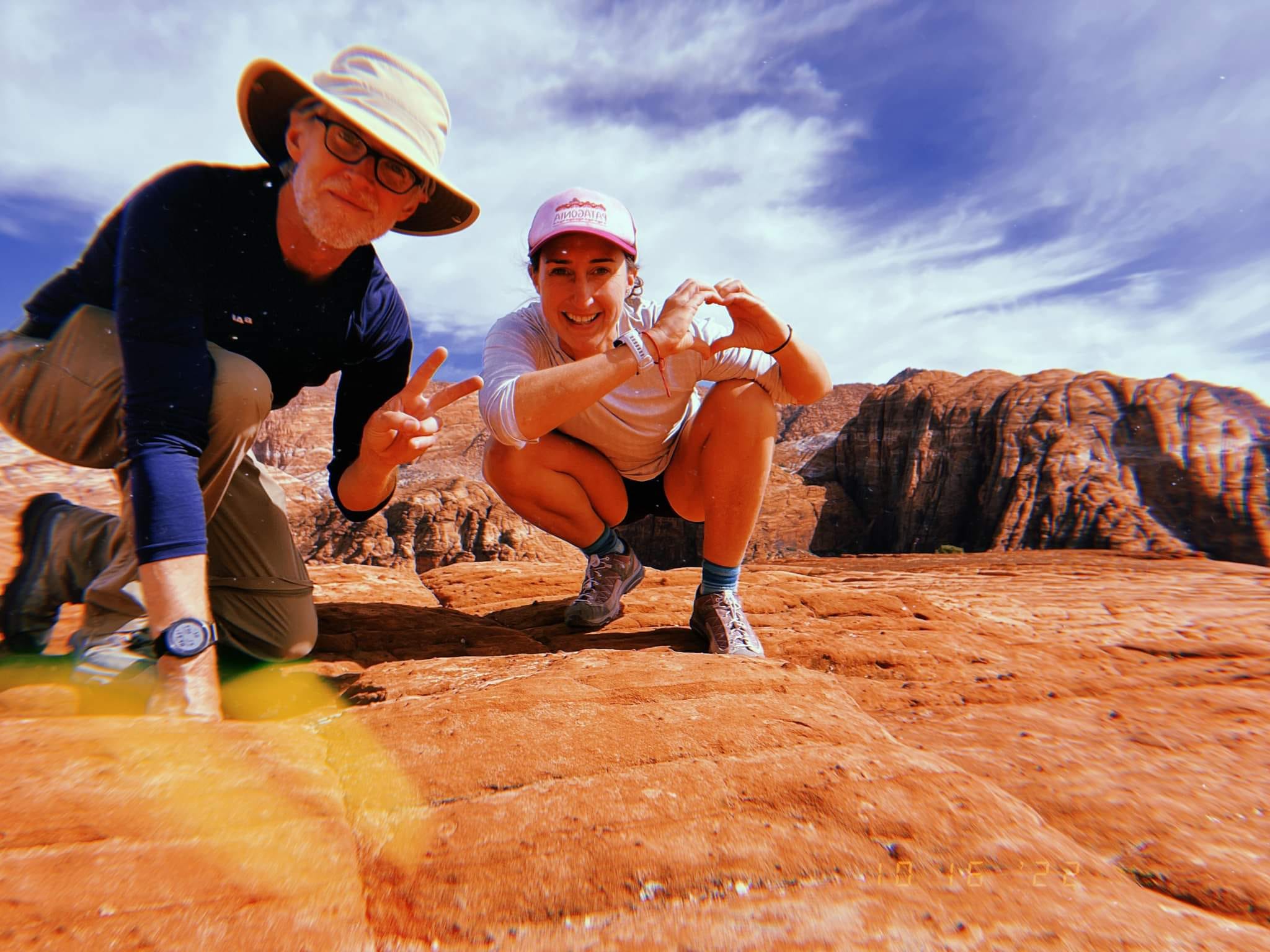
Some restored me. Some connected me with people I loved. Some allowed me to create, explore, serve, or learn. Others frightened me, exhausted me, tested me, or forced me to grow.
Often, the same experience did several of those things at once.
The joy was not always present at the beginning. Sometimes it appeared only after the challenge had been accepted, the fear had been faced, or the obstacle had been overcome.
It was the joy on the other side.
Growth rarely happens inside our comfort zone.
Confidence is built when we discover we can do something that initially seemed impossible.
Memories are often created when a story could have gone either way.
Character is formed when we choose to keep moving despite uncertainty.
That is why so many things on my Joy List involve challenge. Not because I enjoy suffering, but because I have learned that being fully alive often requires stepping into situations that make me uncomfortable.
The mountain was steep.
The cave was dark.
The girls were tired and afraid.
And that is exactly why those experiences mattered.
A List, Not a Cage
There is a risk in turning anything important into a list. Lists can become another form of pressure. They can create the feeling that progress must be measured, experiences must be collected, and every day must produce evidence that it was used properly.
That is not what I want.
The Joy List is not another set of boxes I need to check. I do not judge myself for failing to hike, write, swim, travel, read, photograph, teach, and volunteer all on the same day. I do not treat joy as a competition or expect every experience to become a profound memory.
The list is a reminder, not a demand.
It reminds me that I already know many of the things that make my life meaningful. I do not always need to search for a new answer. Sometimes I need to return to an answer I have already found.
When life starts becoming too crowded, I can look at the list and ask whether the things that restore, challenge, and inspire me have quietly disappeared. When I am making a decision about my time, I can consider whether I am creating room for curiosity and connection or filling every available space with another obligation.
I can also ask a more difficult question:
Am I choosing something because it brings me joy, or am I choosing it because it keeps me comfortable?
The answer is not always obvious.
Rest can bring joy. Peace can bring joy. A quiet afternoon can be exactly what I need. The goal is not to reject every form of comfort or turn life into an endless test of endurance. Rest prepares us for what comes next.
The danger begins when comfort becomes the goal rather than a place we occasionally visit.
Comfort should restore us.
It should not imprison us.
The Joy List does not tell me exactly what to do.
It reminds me what deserves my attention.
What Joy Taught Me About Myself
Over time, the list became more revealing than I expected. I thought I was documenting activities, but I was also documenting patterns.
Curiosity appeared everywhere. So did learning, adventure, creativity, service, movement, connection, challenge, and growth. The individual entries were varied, but the person behind them was consistent.
That realization changed the way I understood identity.
For years, I had tried to understand myself by examining where I came from, what I had accomplished, which responsibilities I carried, and which roles I performed. The Joy List gave me another lens. It showed me who I was when I was not trying to satisfy an expectation or prove my value.
I was someone who wanted to learn.
I wanted to explore.
I wanted to create.
I wanted to help.
I wanted to challenge myself and encourage other people to discover what they could do.
I wanted to experience the world rather than simply move through it.
I did not want the American Dream if it meant constructing a life so comfortable that nothing could surprise, challenge, or transform me. I did not want to reach the end of my life surrounded by evidence of security but unable to remember the last time I had been truly alive.
I wanted stories.
I wanted scraped knees, tired muscles, changed plans, unexpected discoveries, difficult questions, and experiences that asked something from me.
I wanted the joy that waited on the other side.
The list did not create those qualities.
It revealed them.
That distinction would eventually become important.
Long after I had begun recognizing these patterns in myself, I would encounter another person whose life was filled with learning, exploration, unconventional choices, and an unwillingness to let other people define the only acceptable path.
At first, I did not understand why that connection affected me so deeply.
Then I began to recognize something familiar.
Some of the qualities I had spent years uncovering in myself appeared to have been living somewhere else all along.
Her name was Helen.
And although I had found her years earlier, I was only beginning to understand how watching her live would influence the way I chose to live my own life.