

Some questions never truly leave us. They simply become quieter as life grows louder around them. Careers demand attention. Relationships require effort. Bills need to be paid. Houses need repairs. Children arrive. Responsibilities accumulate. Years pass. Yet even as life fills every available space, certain questions remain tucked away in the corners of our minds, patiently waiting for us to notice them again.
For me, one of those questions was my biological mother.
I was adopted as an infant, but adoption was never treated as a secret in our family. My sister and I were both adopted, and neither of us could remember the moment when our parents first explained it to us. The knowledge had simply always been there. Two children’s books about adoption remained on our family bookshelf for years, and although I do not remember reading them myself, I was told they were read to us when we were young. Their presence made adoption feel less like a revelation and more like an ordinary part of how some families were created.
My parents never made me feel unwanted or incomplete. They loved me, provided for me, and gave me a stable home. They had waited years to become parents, and when they finally received the opportunity to adopt, they embraced it fully. I did not grow up believing I had been abandoned. I grew up believing I had been chosen.
Still, gratitude and curiosity can exist together.
As I grew old enough to understand what adoption meant, I began wondering about the people who came before my parents. I can remember thinking about my biological mother around the age of seven or eight. My birthday seemed to be the one day each year when I felt connected to her. I did not know her name, where she lived, or what her life had become, but I assumed she remembered July 13. I imagined that perhaps, somewhere, she was thinking about me at the same time I was thinking about her.
Those thoughts continued through childhood and followed me into adulthood. They were never overwhelming. I did not spend every day searching faces in crowds or imagining dramatic reunions. The questions simply returned from time to time. Who was she? What did she look like? What was she doing? Was she happy? Did she ever wonder what kind of person I had become?
My father always told my sister and me that he would support us if we ever decided to search for our biological parents. At the time of our adoptions, the names of the biological parents appeared on some of the paperwork. My father had specifically asked that those names be covered before he signed the documents. He believed it was unfair for adoptive parents to know the identity of the biological parents when the biological parents were not permitted to know where the child had gone. Once my sister and I were brought home, our parents accepted that the past belonged to someone else. We became a family and moved forward together.
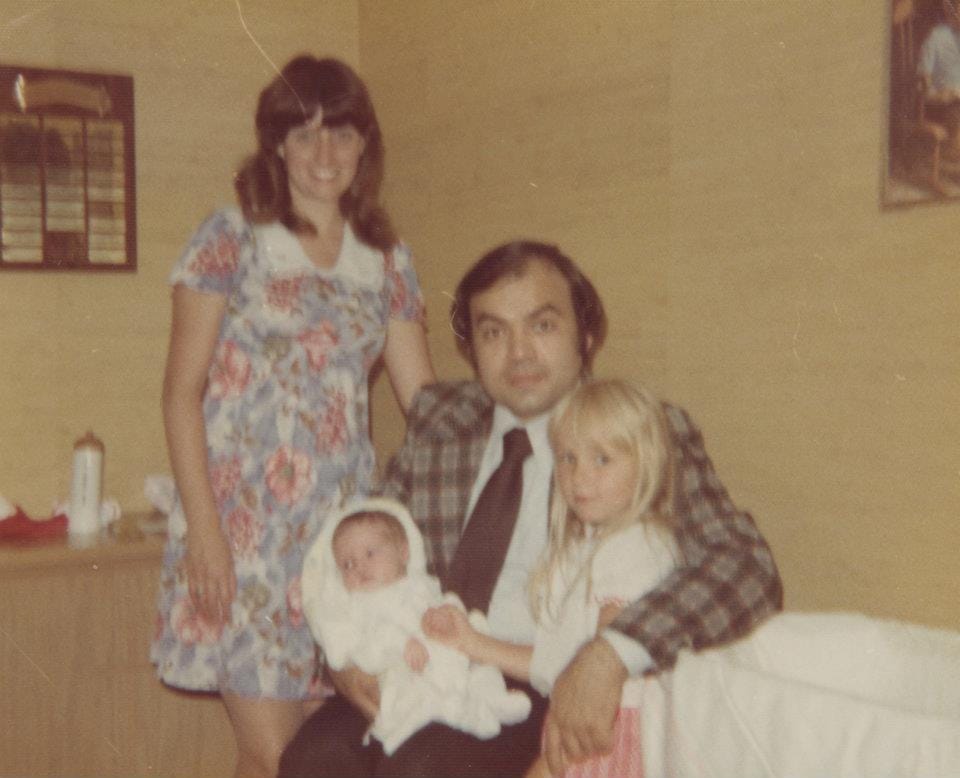
That did not prevent other people from having opinions about whether I should look backward.
Whenever I mentioned an interest in finding my biological mother, someone seemed ready with a warning. What if she did not want to know me? What if I had been a secret she had never revealed? What if she had married and started another family? What if finding her ruined her life? What if she had died? What if she was in prison? What if she struggled with addiction? What if I discovered something that emotionally destroyed me? Why would I even want to find her when I already had a family?
At the time, those questions sounded like concern. Looking back, I recognize them as another form of staying in line. They were reminders that curiosity could be dangerous and that the safer choice was to accept the story I had been given. I should appreciate what I had, leave the unknown alone, and avoid the risk of disturbing anyone’s life, including my own.
But there was also the tug.
It was not loud enough to overpower every warning. It was not strong enough to send me running toward an answer regardless of the consequences. It was simply present. I could ignore it, but I could not make it disappear.
When I was twenty-five, I finally called the adoption agency from my office at the family business. A caseworker explained that I could request copies of my original case records. The documents would not include names, but they could contain genealogical information, medical histories, social histories, physical descriptions, and any information added after the adoption. There would be paperwork to complete and a fee of $150.
A few days later, the packet arrived.
I reviewed the forms, considered the cost, and placed everything in my desk drawer.
At twenty-five, $150 seemed like a considerable amount of money to spend on information that might not tell me anything meaningful. I later learned that most adoption files are never updated after their original creation. I assumed mine would probably contain a few pages of generic descriptions recorded in 1976, information that might be interesting but would not bring me any closer to finding the person I wanted to know.
There was also a part of me that had absorbed all the warnings. Perhaps searching was selfish. Perhaps I would disrupt a life that was never meant to include me. Perhaps the questions were safer than the answers.
So the paperwork remained in the drawer until I eventually discarded it.
For years, I treated that decision as insignificant. It was simply a packet I had not completed and a fee I decided not to pay. Only later did I understand that the drawer had become a physical representation of a part of myself I was not prepared to explore. The answers were not being withheld from me. I had placed them out of sight.
Life continued, as it always does. I became engaged and married. My career grew. I pursued more education, took on greater responsibilities, and filled my days with work. Birthdays continued to arrive, and thoughts of my biological mother continued to visit briefly before retreating into the background.
Then I became a father.
Natalie was born when I was thirty-four. Watching her enter the world and witnessing the immediate bond between a mother and child changed something inside me. Growing up, I had understood adoption from the perspective of the child who had been placed with another family. Becoming a parent forced me to consider the story from the perspective of the person who had done the placing.
As I looked at my daughter, I tried to imagine holding a child and then allowing someone else to carry that child away. I could not do it. I could not make the idea fit inside my mind. Before becoming a father, I respected the decision my biological mother had made. After becoming a father, I began to understand the depth of it.
Within a few months of Natalie’s birth, my wife became pregnant again. Thirteen months after becoming parents for the first time, we welcomed Annabelle. She was born in the early morning hours of May 1, May Day. When I left the hospital with my second daughter, I knew I could no longer keep postponing the search.
I now had two little girls whose existence connected the future to a past none of us knew. Somewhere in the world, if she was still alive, was the woman who had given birth to me. She was not only my biological mother. She was also their biological grandmother. Natalie and Annabelle had made the unanswered questions larger than my own curiosity.
Our home was filled with the beautiful chaos of two babies born thirteen months apart. There were bottles, diapers, blankets, highchairs, toys, sleepless nights, and constant responsibilities. It would have been easy to postpone the search again. In fact, I did postpone it for several months. It was another reminder that even the decisions we know we need to make can remain trapped beneath the urgency of ordinary life.
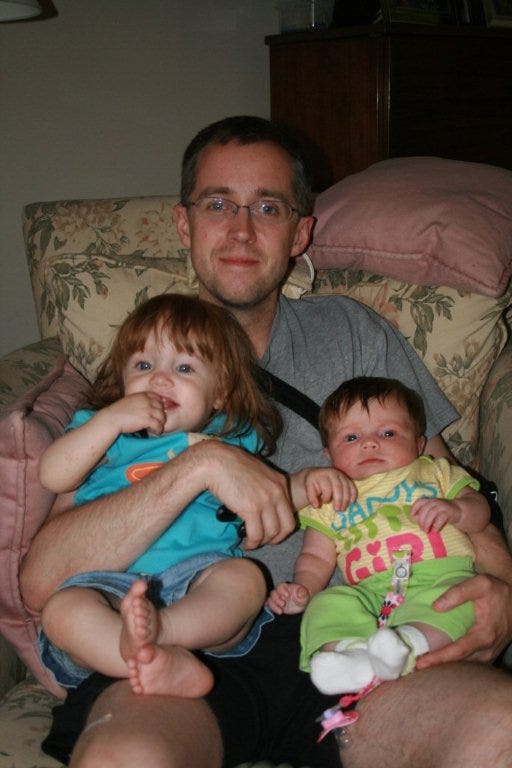
In July 2011, shortly after my thirty-fifth birthday, I called the adoption agency again. Almost ten years had passed since my first call. The process was explained to me once more, and another packet was sent to my office. This time, when the paperwork arrived, I completed it and sent the check.
I was ready.
A few weeks later, on a Saturday, I was working alone at the office. As I prepared to leave and lock the building, I noticed a large manila envelope among the mail. I knew immediately what it was.
I carried it outside to my truck.
I could have taken it home. I could have waited until I was sitting somewhere more comfortable. I could have opened it with my family nearby. Instead, I sat in the driver’s seat in the summer heat, opened the envelope, and began reading.
For approximately twenty minutes, the rest of the world disappeared.
The first pages contained the kind of information I expected. There were descriptions of my biological parents, their ages, physical characteristics, interests, education, family structures, and medical histories. There were references to their siblings and to the grandparents I had never known. There were pieces of social history and observations recorded by a caseworker before I was born.
To another person, the pages might have looked clinical. They were forms, typed paragraphs, dates, and descriptions preserved in an institutional file. To me, they were the first map I had ever received of the place from which I came.
I read about physical traits and wondered which ones had passed into me. I read about interests and personalities and recognized possibilities that had never made sense in the context of my adopted family. I read about people whose names were not provided but whose lives had contributed to mine. They were strangers, yet they were not entirely separate from me.
That was when I first saw the thread.
In Chapter 2, I described the internal tug I had felt throughout my life, the sense that parts of me were trying to lead somewhere I could not identify. Sitting in my truck with those papers spread across my lap, the tug became visible. For the first time, I could trace parts of myself backward.
I had origins.
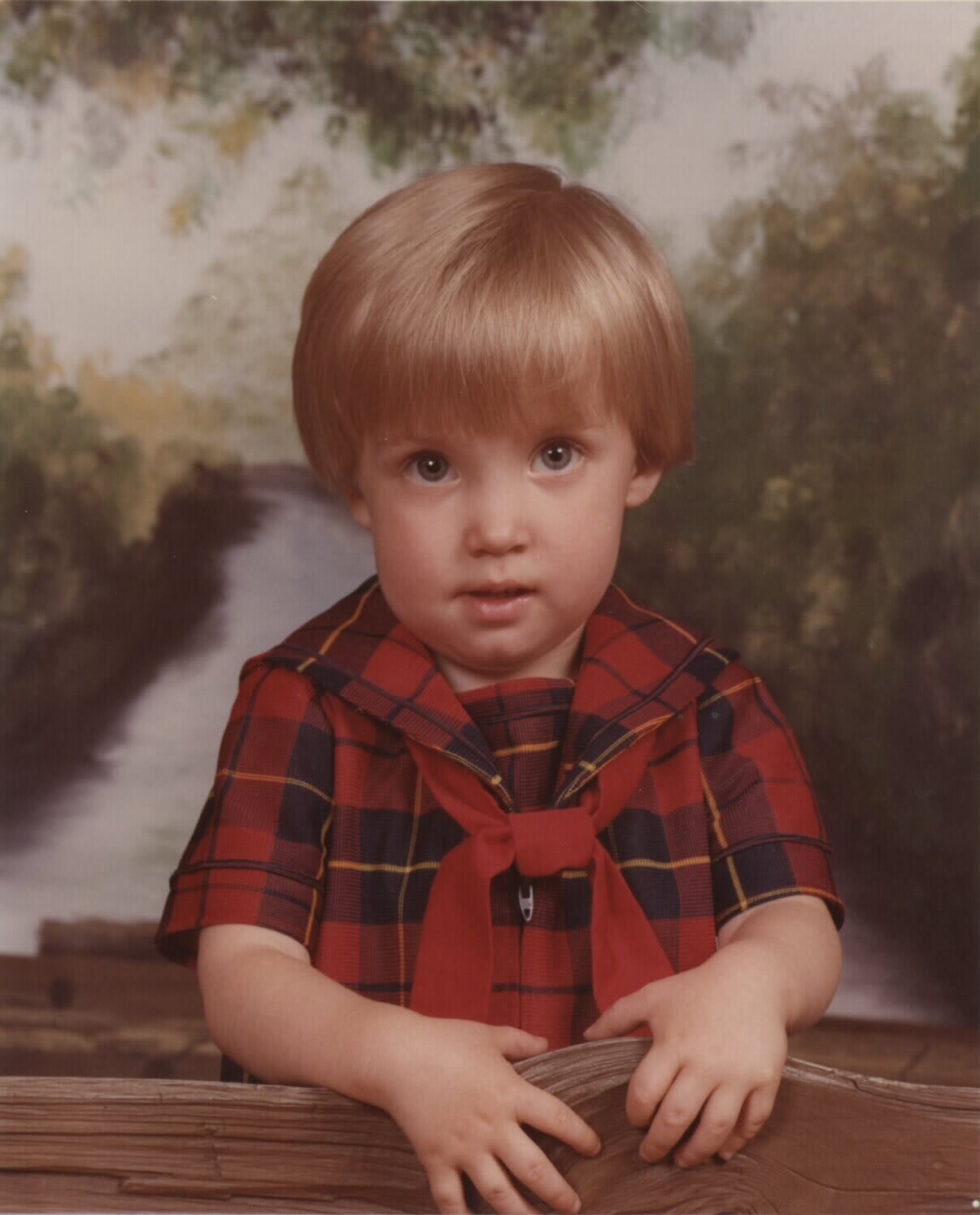
Most people grow up surrounded by evidence of where they came from. They see their eyes in a parent’s face, their hands in a grandparent’s hands, or their mannerisms in an aunt or uncle. Family stories explain why they laugh a certain way, why they are drawn to certain interests, or why they respond to the world as they do. Even when they reject their family history, they have something tangible to reject.
I had been loved and raised by a family with a strong history, but it was not a history written into my body. Their stories explained my childhood, my values, and much of the person I had learned to become. They did not explain the parts of me that seemed to arrive from somewhere else.
Until that afternoon, I had never possessed a biological before.
Of course, I knew I came from someone. Biology was not an abstract concept. But knowing something intellectually and feeling it are not the same. The papers gave substance to a history that had always felt invisible. I was reading evidence that the qualities I carried did not begin with me. There were people before me who had their own personalities, passions, struggles, talents, and ways of seeing the world.
I cried in the truck.
The tears were not about sadness, and they were not an expression of dissatisfaction with the family who raised me. I was not replacing one family with another. I was recognizing that my life had more than one beginning.
For the first time, I felt that I belonged to something I had never been able to see.
That feeling did not diminish the love I had for my parents. If anything, it allowed me to appreciate more clearly what adoption had given me and what it had left unanswered. I was the result of biology and upbringing, of inheritance and environment, of people who gave me life and people who helped me build one. The paperwork did not choose between those truths. It allowed both to exist.
I continued reading until I reached an addendum at the end of the original documents. The first pages had been created in 1976. These pages were more recent.
On my eighteenth birthday, Helen had contacted the adoption agency.
I stopped and read the entry again.
For years, I had imagined my birthday as the one day when we might be thinking about each other. Now, sitting in my truck, I learned that on one of the most significant birthdays of my life, she had done more than think about me. She had called.
Helen had asked about me, but the agency could not release information. She was allowed to update the family medical and social history, which she did. The caseworker also told her about a Nebraska law passed after my birth. Under that law, I might someday request my original birth certificate if Helen gave the state notarized permission to release it.
A few years later, Helen updated the records again.
The file that I assumed would probably contain nothing beyond its original creation had been visited more than once. While I had been living my life, Helen had been leaving evidence that she had not forgotten me.
The realization brought relief, but it also brought guilt. I thought about the paperwork I had placed in a drawer at twenty-five. Helen had already been waiting seven years at that point. By the time I finally opened the file, seventeen years had passed since she called on my eighteenth birthday.
I had spent much of my life wondering whether she wanted to know me. The answer had been sitting inside an adoption agency, waiting for me to pay the fee and ask.
Still, I do not believe the delay was entirely a mistake. At twenty-five, I might not have understood what I was reading. I had not become a father. I had not held Natalie and Annabelle. I had not developed the gratitude or maturity necessary to approach Helen without expectations. The ten-year delay caused regret, but it may have also prepared me to find her for the right reasons.
I was no longer searching for someone to complete me. I had a family, a career, a home, and a life. I wanted to find Helen because I was finally ready to tell her that her decision had led to something good.
The Monday after receiving the records, I contacted the Nebraska office responsible for birth certificates. When I was adopted, the state created a second birth certificate listing my adoptive parents and the name they gave me. My first birth certificate, containing Helen’s identity, had been sealed.
The person I spoke with could not tell me whether Helen had submitted the required notarized authorization. I knew only that she had contacted the agency, updated the records, and been informed about the process. That was enough for me to believe she had completed the release.
I downloaded the request form, wrote a check for fourteen dollars, and mailed it to the state.
Then I waited.
I have never been especially patient. My career in technology had trained me to expect information quickly. If an answer existed, I wanted to find it. This search required paperwork, mailed checks, government offices, and silence. After waiting thirty-five years, even a few weeks felt excessive.
On a Friday afternoon in October, shortly after lunch, another envelope arrived at my office. This one came from the State of Nebraska.
I opened it at my desk.
Inside was a single document.
My original birth certificate.
For the first time in my life, I knew her name.
Helen.
I also knew where she had been born and could estimate her age. It was not much information, but it was more than I had ever possessed. The invisible woman who had lived in my imagination for thirty-five years was no longer entirely invisible.
She had a name.
In 2011, a name was enough to begin.
I opened Google and searched for Helen. I expected a dead end. Women often marry and change their names. People move, records become outdated, and decades create distance. I assumed I was beginning a long process that might involve investigators, public records, letters, and more waiting.
Instead, within minutes, I found a doctoral student at the University of Idaho whose work involved environmental sciences. This Helen was also an environmental activist. Only weeks earlier, she had been arrested during a protest connected to her opposition to enormous industrial shipments traveling through Idaho on their way to the Canadian tar sands.
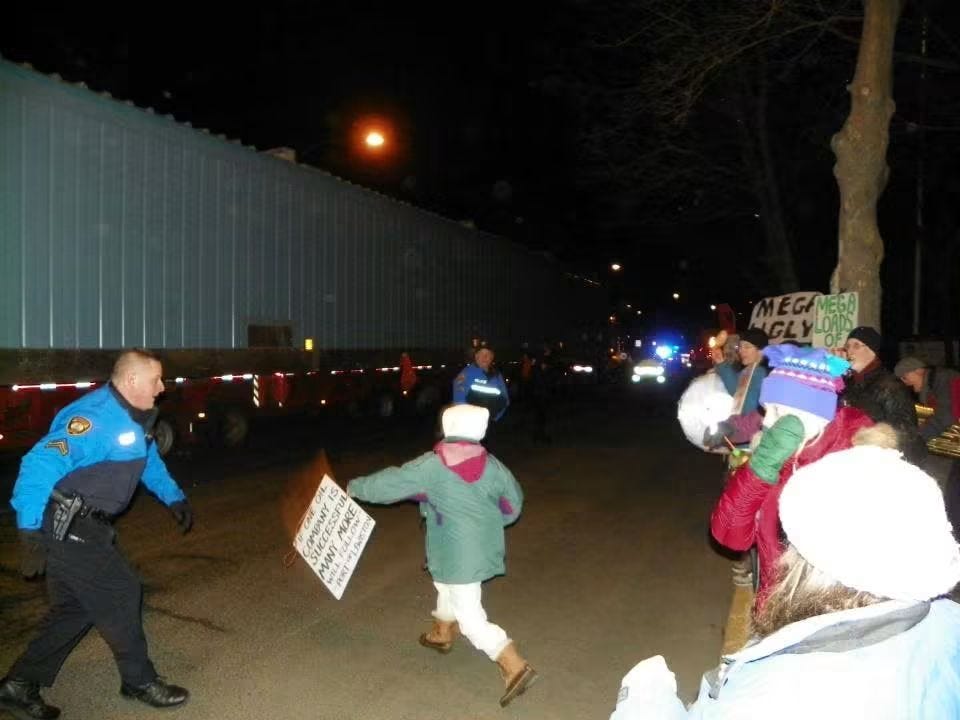
I stared at the screen and thought there was no possible way this woman could be my biological mother.
Over the years, I had imagined many versions of her. I probably pictured someone living a fairly conventional life, although I had no reason for that assumption. Perhaps she was a teacher, a nurse, a homemaker, or a business professional. Nothing in my imagination included environmental protests, civil disobedience, graduate research, or an arrest in Idaho.
Yet the details began to align. Her approximate age was correct. Places she had lived matched information in the adoption records. Her academic history and public biography led back through locations supported by what little I knew.
The more I searched, the more the impossible possibility became possible.
One of my clients owned a background investigation company and worked as a private investigator. I emailed him a copy of the birth certificate and asked for help.
Approximately thirty minutes later, he called me.
He began by preparing me for difficulty. Women frequently marry and change their names. People relocate. Records become fragmented. A name from 1976 might not lead anywhere.
As the phone was ringing, however, Helen’s name appeared in his system.
His tone changed as he began reading addresses and locations. The information lined up with the curriculum vitae I had found on the university website. Previous places she lived connected with the history contained in my records. The environmental activist and doctoral student in Idaho was not simply someone who shared the same name.
I was nearly certain it was her.
Finding Helen turned out to be easier than deciding how to contact her.
How do you introduce yourself to someone who has known about you for thirty-five years but has never heard your voice? How do you tell a person that you may be the child she last saw as an infant? How do you acknowledge the enormity of that possibility without frightening her?
A telephone call felt too intrusive. A mailed letter would require more patience than I possessed. An email offered distance and immediacy at the same time. She could read it privately, decide how she wanted to respond, and take whatever time she needed.
I chose a subject line that revealed almost nothing while quietly containing everything:
Interest in Nebraska.
The original message was cautious. I apologized in case I had contacted the wrong person. I explained that I was looking for a Helen who had lived in Omaha during the mid-1970s and who might have a particular interest in July 13, 1976. I provided my contact information and invited her to respond if I had reached the right person.
Then I pressed send.
It was Friday afternoon. I had sent one of the most consequential messages of my life just as the weekend began.
The message was intentionally short. I did not tell Helen the story of my search or try to explain everything I had carried for thirty-five years. I did not tell her about the adoption records, the birth certificate, my daughters, or the thoughts that had returned every July 13. I simply offered enough information for her to understand who I might be, while leaving her room to decide whether she wanted to open the door.
Then I waited.
Friday evening passed without a reply. Saturday came and went. Then Sunday. Each time I checked my email, I was aware of how much meaning I had placed inside a message that said so little. I had spent decades imagining the possibility of finding Helen, but I had never spent much time imagining the silence after I did.
The silence allowed every old warning to return. Perhaps I had found the wrong person. Perhaps I had found the right person and she did not want to be found. Perhaps my message had arrived in the middle of a life where there was no place for me. I reminded myself that Helen owed me nothing, including an immediate response, but patience is much easier to admire than to practice.
I had chosen email because it gave her distance. Over that weekend, I learned that distance belonged to both of us.
I did not hear from Helen until Monday morning.
When her response finally appeared, the first word was enough.
Welcome.
She told me that she had been waiting decades to hear from me. Her delay had not been rejection. She needed to make sure I was who I said I was. Before fully engaging with me, she had contacted the adoption agency and asked them to verify my identity. She invited me to contact the caseworker so the agency could formally release my information to her.
Her caution made sense. I knew who she was because I had received a birth certificate with her name on it, read decades of adoption records, searched public information, and asked a private investigator to confirm what I had found. Helen had none of that. From her perspective, a stranger had appeared in her inbox with a carefully worded claim about the most private part of her life.
She was deeply private and distrustful of government institutions. Only weeks earlier, her environmental activism had led to an arrest during a protest. During the booking process, she had been asked to identify scars on her body, including the Cesarean scar from my birth. Then, not long afterward, an unknown man contacted her and suggested that he was the child she had placed for adoption thirty-five years earlier.
I had worried all weekend that Helen might reject me. Helen had spent that same time determining whether I was real.
Her response was warm, but it was also careful. She wanted the people involved to be safe, comfortable, and protected, just as she had when she made the original decision to place me for adoption. Even before we knew one another, I could see something familiar in the way she approached the moment. Emotion mattered, but so did caution. Connection mattered, but so did responsibility.
Once I understood that she had welcomed the contact, I wrote again. This time, I did not hold back nearly as much.
I told her that I had struggled with how to introduce myself. A telephone call had seemed too startling. A letter would have required more patience than I possessed. Email had felt like the best way to give both of us space while still reaching across the distance between us.
More importantly, I told her the three things I had wanted her to know for most of my life.
I had thought about her.
I thanked her for her sacrifice.
And I told her that I was happy.
I explained that birthdays, marriage, the births of my daughters, and the other meaningful moments of my life had often brought thoughts of her with them. I had imagined that she might be thinking about me on July 13, just as I was thinking about her. When I learned that she had called the adoption agency on my eighteenth birthday, that lifelong feeling was no longer only something I had imagined.
I thanked her for what I described as an act of kindness and sacrifice. After becoming a father, I understood her decision differently. I could not fully know what it had required of her, but I could recognize that the life I had been given began with an enormous loss in hers. I wanted gratitude, not accusation, to be the first truth I placed between us.
Finally, I wanted her to know that I was doing well. I told her about my wife, my parents, my career, and my two baby daughters, Natalie and Annabelle. I wanted her to understand that the decision she had made at nineteen had not destroyed me. It had led to a life I valued, a family I loved, and happiness I hoped might bring her some peace.
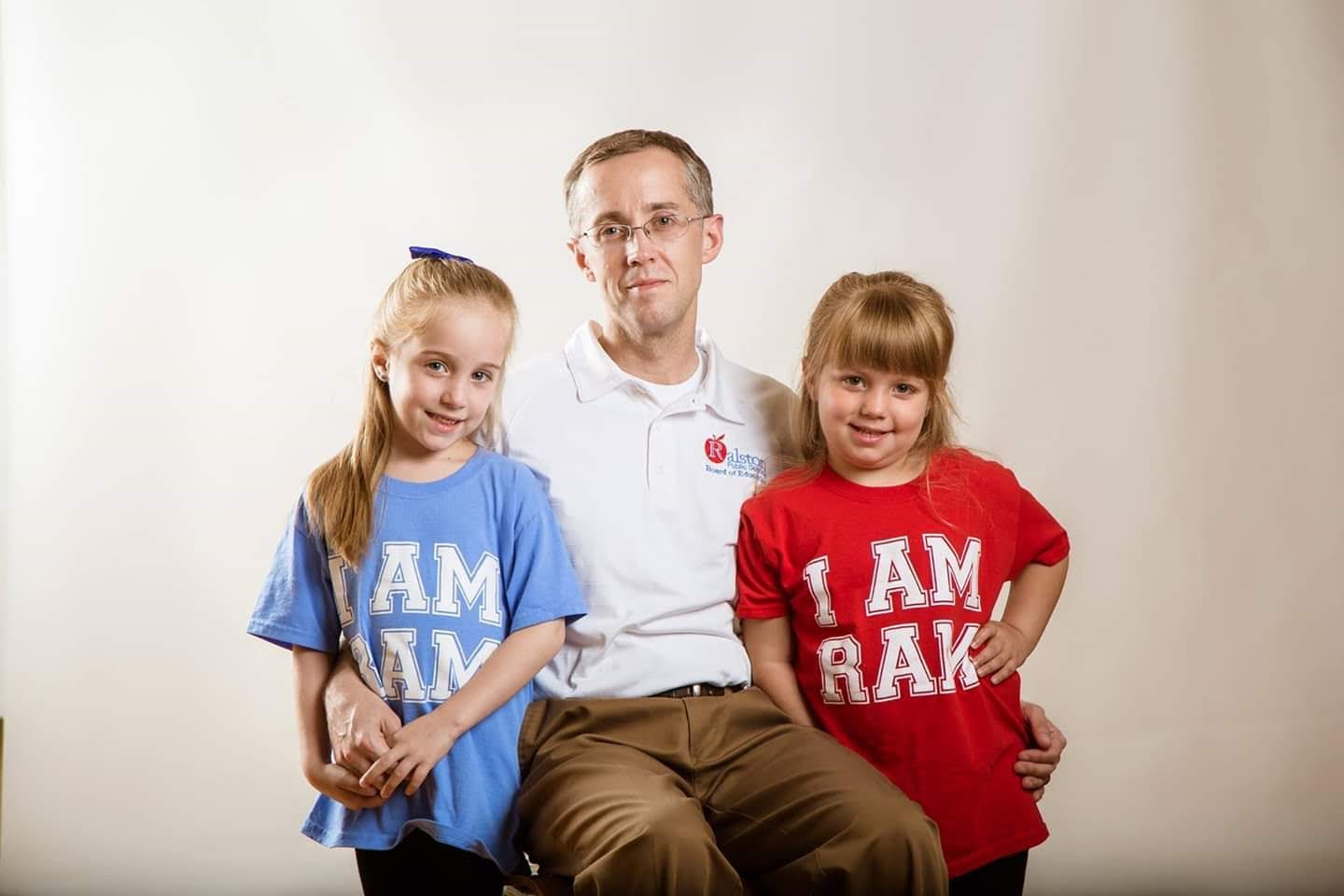
I did not contact Helen because I needed her to explain herself. I was not searching for someone to blame, and I was not asking her to repair something broken inside me. If that longer message became the last contact we ever had, I wanted it to leave her with three simple truths.
I thought about you.
Thank you.
I am happy.
For thirty-five years, I had wondered whether Helen remembered me. Her first reply answered that question. She had called on my eighteenth birthday. She had updated the records. She had provided a path for me to obtain my original birth certificate. She had waited, trusting that if and when I was ready, I might find her.
The thread I first saw in the paperwork had reached the other end.
It began with children’s books on a shelf, birthday thoughts, covered names, unanswered questions, and a packet placed in a drawer. It continued through the births of my daughters, a Saturday afternoon in my truck, a manila envelope, a fourteen-dollar check, a Google search, a private investigator, a short email sent on a Friday afternoon, a long weekend of silence, and a single word on Monday morning.
Welcome.
I believed I had reached the end of the search. I had found the name, the woman, and the answer I had been seeking since childhood.
What I had actually found was a beginning.
This guy can write. Wow!