

Growing up, I always knew I was adopted.
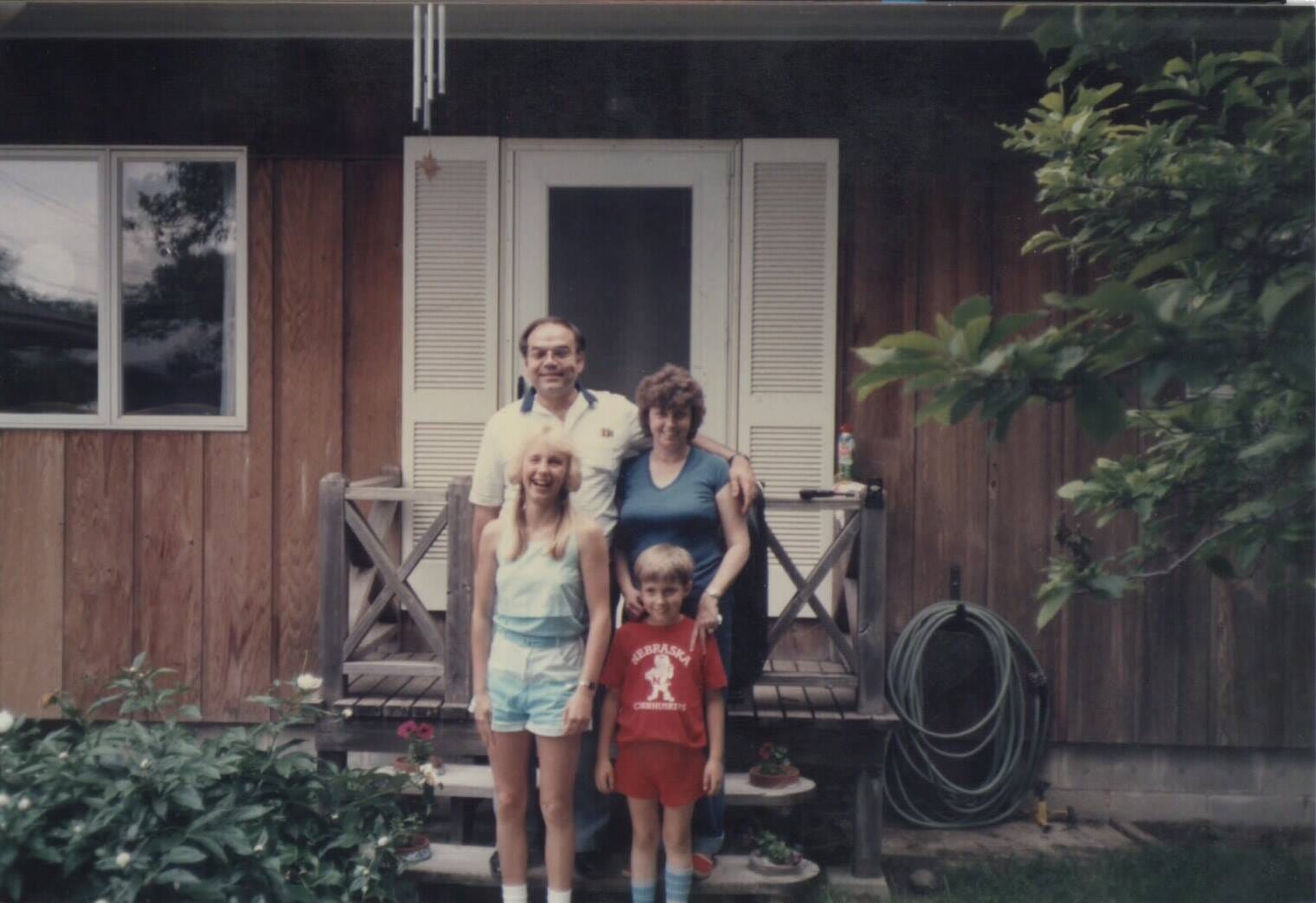
My parents never hid it from me. There was no dramatic revelation and no family secret that surfaced years later. Adoption was simply part of my story from the beginning. It was presented as a fact, no different than where I lived or what school I attended.
At least that is how I understood it at the time.
What I did not understand was that knowing I was adopted and understanding what adoption meant were two very different things.
As a child, I remember sitting through family gatherings and listening to conversations that seemed perfectly ordinary to everyone else.
People would point to a child and say they had their grandmother’s eyes. Someone else would laugh and mention a stubborn streak that had been passed down through generations. Stories about relatives flowed naturally through the room, connecting one person to another in ways that seemed effortless.
No one intended for those conversations to make me feel different.
But they did.
Not because I felt unloved.
Not because I felt excluded.
I simply felt disconnected from a story everyone else seemed to understand.
I watched people trace family traits backward through time, linking themselves to parents, grandparents, aunts, uncles, and cousins. Their identities seemed connected by invisible threads stretching across generations.
I remember wondering where my thread was.
At the time, I could not have explained any of this. I was a child. I did not think in terms of identity or belonging. I did not sit around contemplating deep questions about family and genetics.
I only knew that whenever those conversations happened, I became curious.
Who did I look like?
Where did I get my traits?
Who shared my smile?
Who shared my laugh?
Those questions would surface for a moment and then disappear back into the background of everyday life.
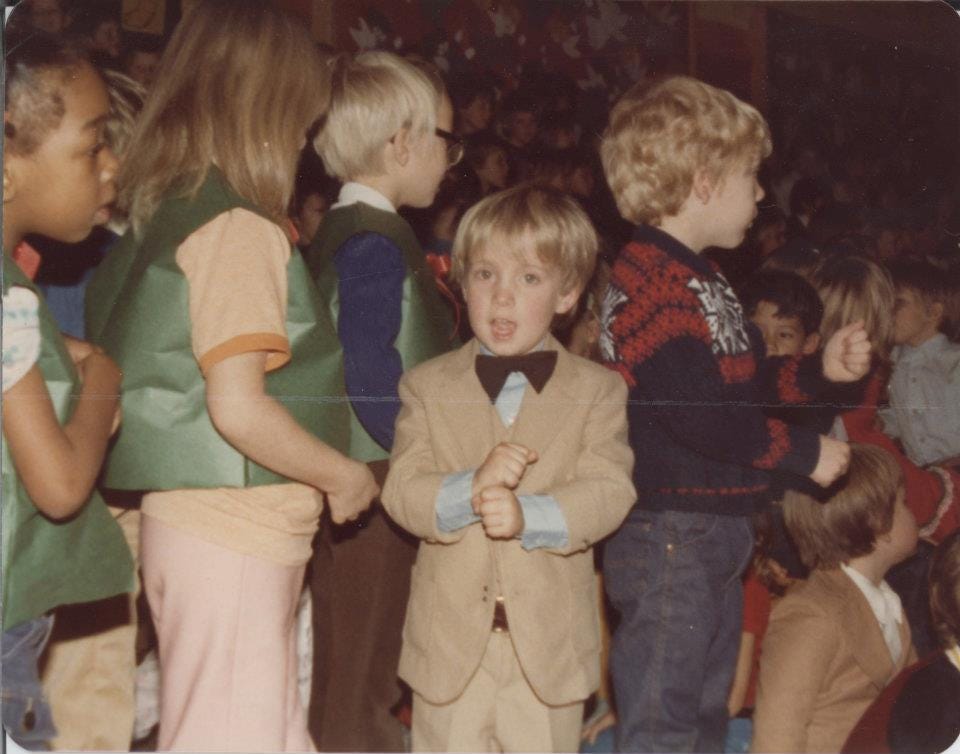
As I got older, I became very good at pushing those thoughts aside. Like most kids, I had plenty of other things to focus on. School, friends, activities, sports, music, and eventually all the awkwardness that comes with growing up.
Life kept moving.
The questions stayed.
Looking back now, I realize those questions never demanded answers. They simply waited patiently in the background. They were part of the soundtrack of my life, quiet enough to ignore but never completely gone.
When I looked in the mirror, I sometimes wondered who else shared my face.
When I discovered a talent or an interest, I wondered where it came from.
When people talked about traits that “ran in the family,” I wondered which traits might be running through mine.
I did not feel broken.
I did not feel abandoned.
I did not spend my childhood feeling unhappy.
What I felt was curiosity.
And curiosity can be surprisingly powerful.
Years later, that curiosity would lead me to search for my biological family. It would lead me to answers I had wondered about for decades and introduce me to people I had never expected to know.
But those stories come later.
Long before I searched for anyone else, I was searching for myself.
I simply did not realize it.
Today, when I reflect on those early years, I think the experience of adoption taught me something long before I understood the lesson. Most of us spend our lives trying to understand who we are. We inherit stories from our families, our cultures, our experiences, and the people around us. Those stories help shape us, but they do not always answer every question.
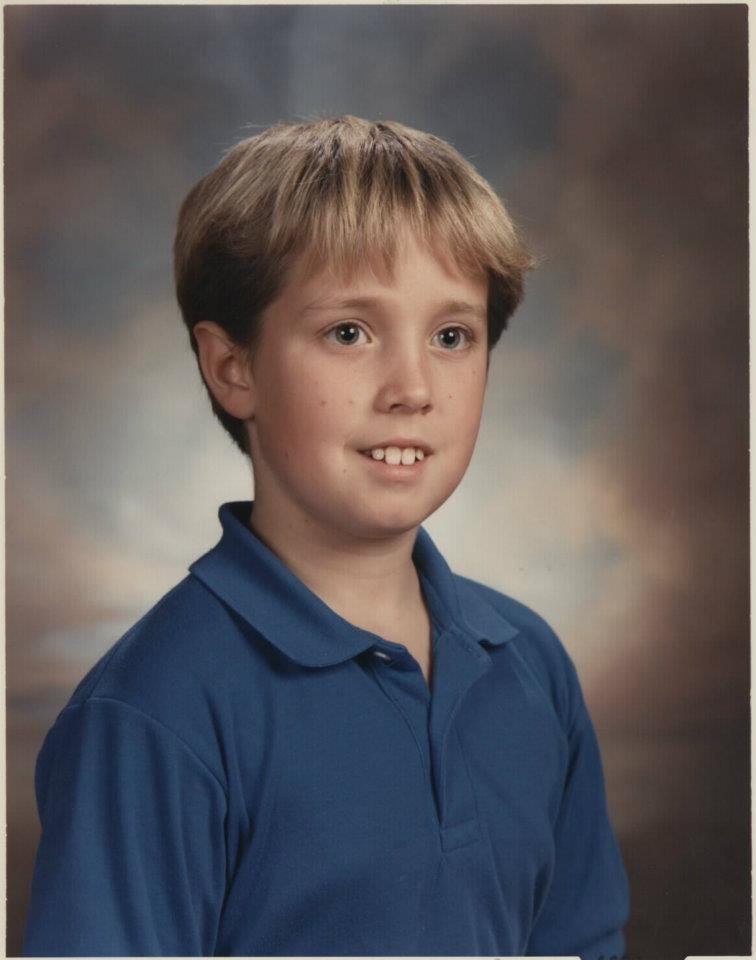
Some questions remain.
Some questions follow us.
Some questions quietly wait until we are ready to ask them.
Mine began with adoption.
Yours may begin somewhere else.
But I suspect many of us are searching for the same thing.
An understanding of where we came from.
And perhaps, more importantly, who we are becoming.
As a child, I could not have imagined where those questions would eventually lead.
I only knew they were there.
Waiting patiently.
Following me.
Becoming part of my story long before I understood why.
And one day, I would decide to start looking for answers.